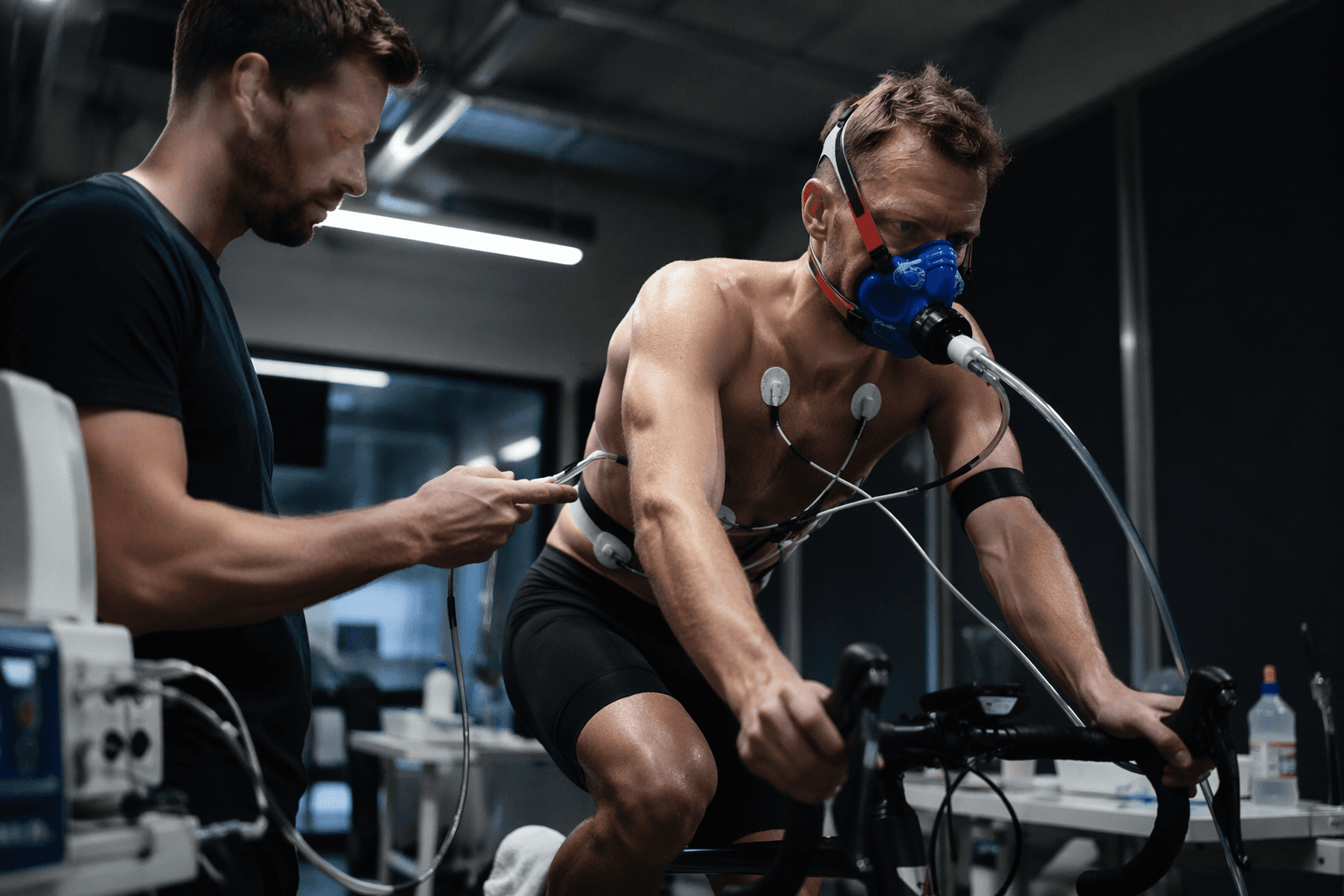
A long-standing endurance myth took another hit as keto-adapted athletes in the FASTER study burned fat at 1.5 grams per minute, a rate that pushed far beyond older assumptions about how much fat the body can use while still preserving glycogen.
That number matters because it sits at the center of the low-carb endurance conversation. The study’s headline finding was not just raw fat oxidation. It was that these athletes reached record-setting fat-burning rates without the expected collapse in glycogen stores, challenging the idea that carb restriction automatically leaves endurance athletes underfueled when the effort gets serious.
For the keto community, that is a familiar argument made stronger by hard numbers. FASTER put a spotlight on what happens after adaptation, when the body appears able to lean heavily on fat as a primary fuel source and still keep enough glycogen in reserve for the moments that demand it. That combination is exactly what many low-carb athletes have been chasing: more stable fueling, less dependence on constant carbohydrate intake, and a metabolism that can stretch farther before hitting the wall.
Louise Burke, one of the most prominent voices in endurance nutrition, pointed to an important wrinkle in the debate. She noted that even higher fat-burning rates have been seen in shorter adaptation periods, but she also questioned whether those metabolic gains translate into better results on race day. That tension has kept the discussion alive for years, especially among ultra-endurance athletes who care less about theory and more about what actually holds up over hours and miles.
The divide is clear. For ultra-endurance specialists, the promise of strong fat oxidation with preserved glycogen could reshape how they think about fueling long efforts. For average gym-goers, the finding is less of a prescription than a reminder that metabolic adaptation can be impressive without automatically changing what matters in everyday training. A record fat-burning rate is not the same thing as a faster 10K, a stronger deadlift, or an easier spin class.
Still, the FASTER findings keep pressure on old low-carb assumptions. If keto-adapted athletes can burn fat at rates once thought out of reach while protecting glycogen, then the real question is no longer whether fat adaptation works at all. It is where it actually changes performance, and where the body’s new efficiency still needs to be tested against the demands of the race.
Every story on Keto Diet Magazine is assembled by an automated editorial system that works from verified research, official records, and credible reporting, then clears automated accuracy and moderation checks before it goes live. The standards that system follows are set and overseen by the people who run the publication. Read our full editorial policy.
Did this article answer your question?