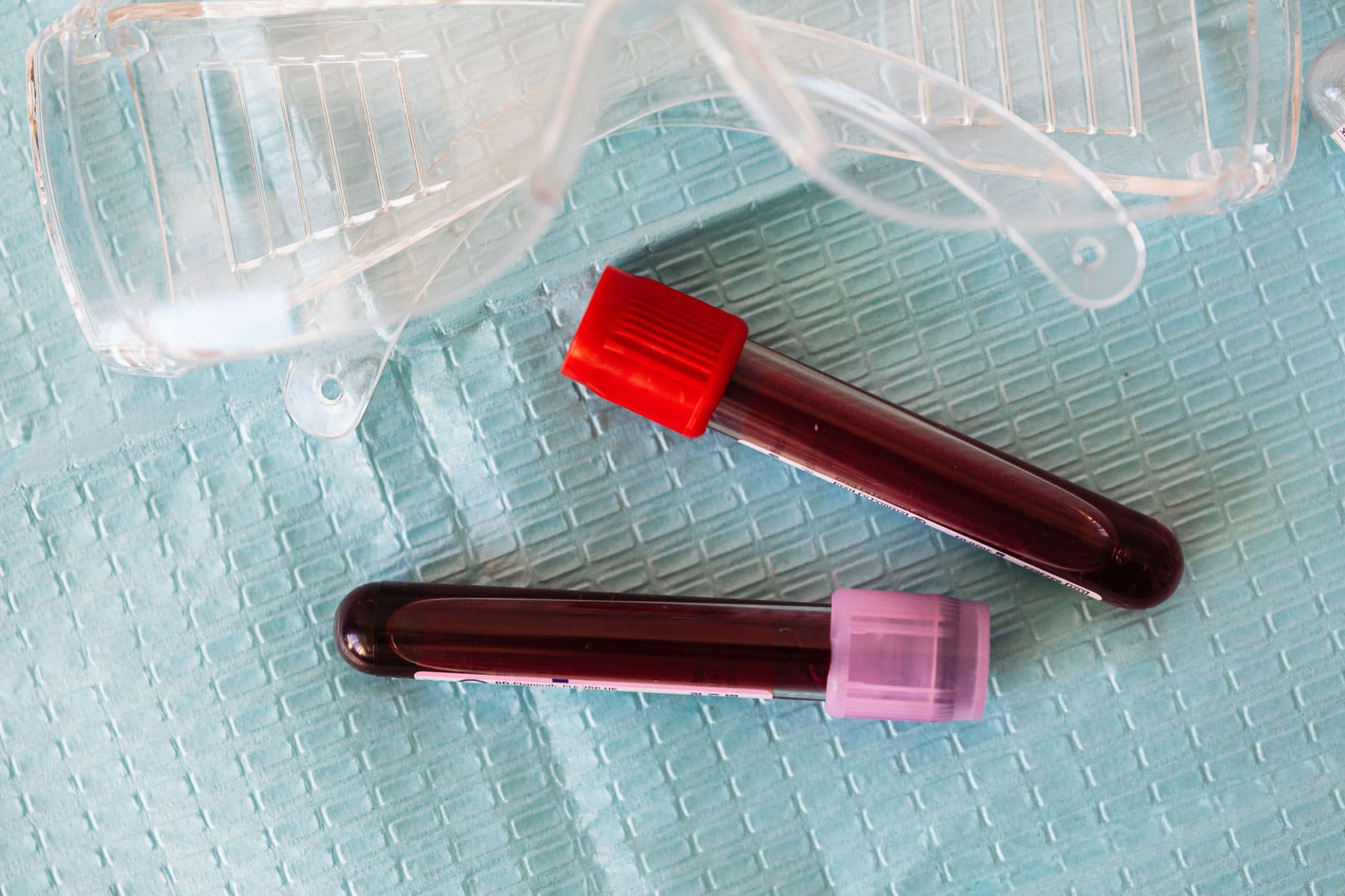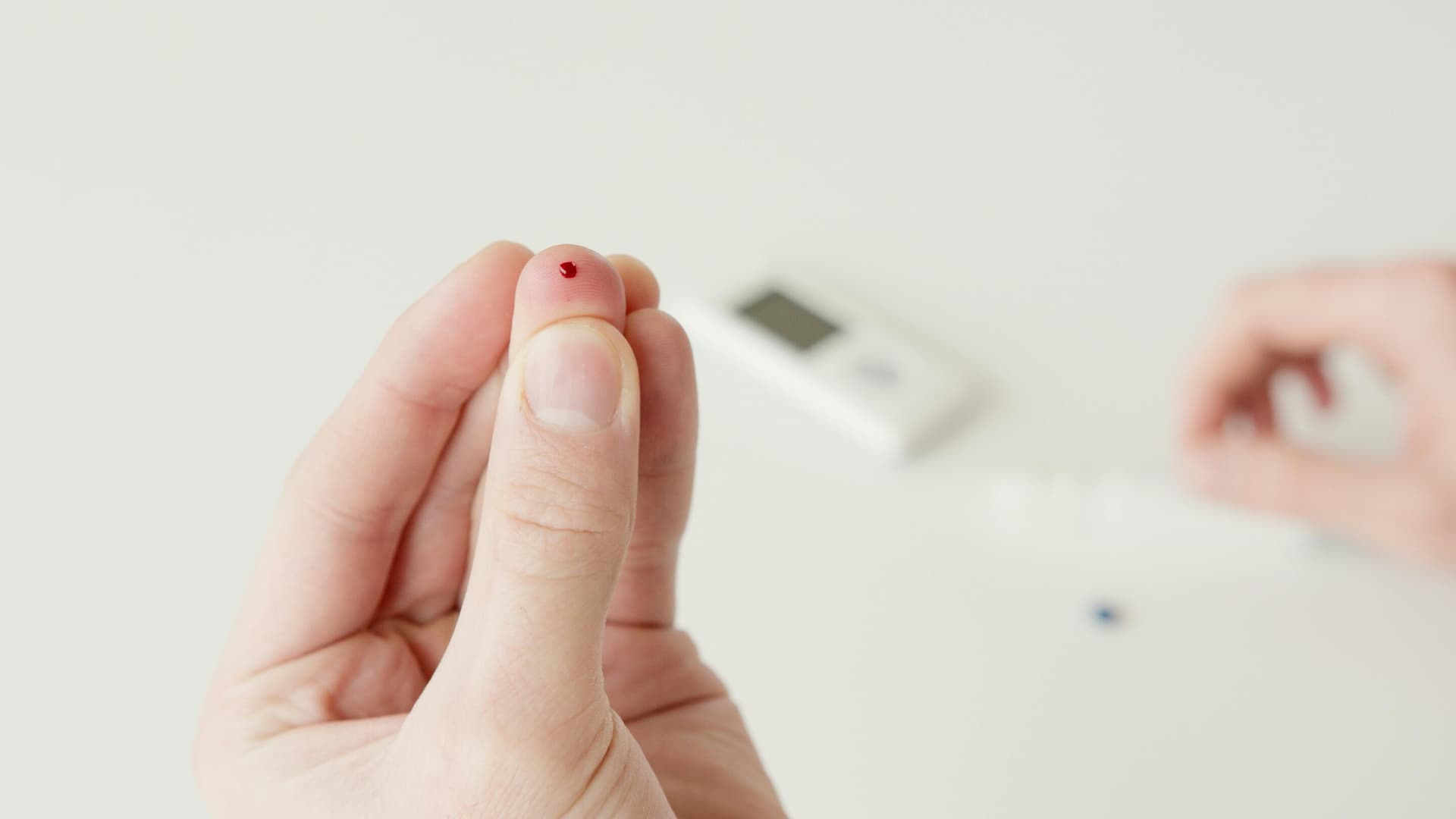
A tiny finger prick may be the most interesting part of this story. The appeal is not novelty for its own sake, but measurement: a way to turn the hazy idea of “being in ketosis” into a number that can be tracked, repeated, and compared over time.
Why a finger-prick number matters
For people who already live by macros, glucose checks, and ketone readings, the glucose ketone index, or GKI, is the kind of metric that feels immediately legible. It takes blood glucose and beta-hydroxybutyrate, then expresses the ratio in a single figure. That matters because scale weight can drift for reasons that have nothing to do with metabolic state, while a glucose-plus-ketone readout can show whether diet, fasting, or exercise is actually shifting the body toward nutritional ketosis.
That is the promise driving the new Frontiers paper: not a cure, not a miracle, but a more objective feedback loop. In keto terms, it is the difference between guessing that something is working and seeing a metabolic signal move in real time.
What GKI is trying to measure
Frontiers describes GKI as the ratio of blood glucose to beta-hydroxybutyrate, the main circulating ketone body measured in these tests. A lower ratio generally points to a deeper ketogenic state, which is why the metric has attracted interest from clinicians and researchers looking at nutritional ketosis, fasting protocols, and other metabolic interventions.
The paper also makes clear that this is not meant to be a universal one-size-fits-all threshold. Instead, it points toward disease-specific zones for prevention and management, which is a much more careful way to think about ketosis than the internet shorthand of “in or out.” That distinction matters in cancer care, where the goal is not a lifestyle badge, but a usable biomarker that can help doctors and patients interpret what is happening metabolically.
Why cancer researchers care
The bigger frame here is chronic disease burden. The Frontiers paper says noncommunicable diseases account for 75% of disability-adjusted life years, and the World Health Organization says NCDs caused at least 43 million deaths in 2021, equal to 75% of non-pandemic-related deaths globally. The WHO also says 18 million of those deaths were premature, before age 70.
Against that backdrop, the paper treats GKI as more than a keto-only gadget. It is presented as part of a broader clinical roadmap for tracking interventions tied to mitochondrial function, energy metabolism, and chronic disease management. The same paper says cancer is on the verge of overtaking heart disease as the leading cause of death in the United States, which helps explain why a simple metabolic marker is drawing attention far beyond the keto community.
Where the idea came from
This is not a brand-new concept. A 2015 paper in Nutrition & Metabolism introduced the GKI calculator as a simple tool to monitor therapeutic efficacy in the metabolic management of brain cancer. That early framing was rooted in the logic that ketogenic diets lower glucose and raise ketones in ways that may matter for tumors that rely heavily on glucose metabolism.
That history is important because it shows how the idea has evolved. What started as a calculator for a narrow clinical question is now being discussed as a broader way to monitor whether metabolic therapy is actually landing where it should. For keto followers, that is familiar territory: not just eating low carb, but checking whether the body is producing the biochemical response the plan is supposed to create.
What newer studies are showing
Frontiers has also published a 2025 glioblastoma study that gives the idea a more concrete, if still early, clinical edge. The study followed 18 patients total. Six adhered to the ketogenic diet for more than 6 months, and among those adherent patients, 4 of 6 reached the study’s 3-year survival benchmark, compared with 1 of 12 among the non-adherent patients.
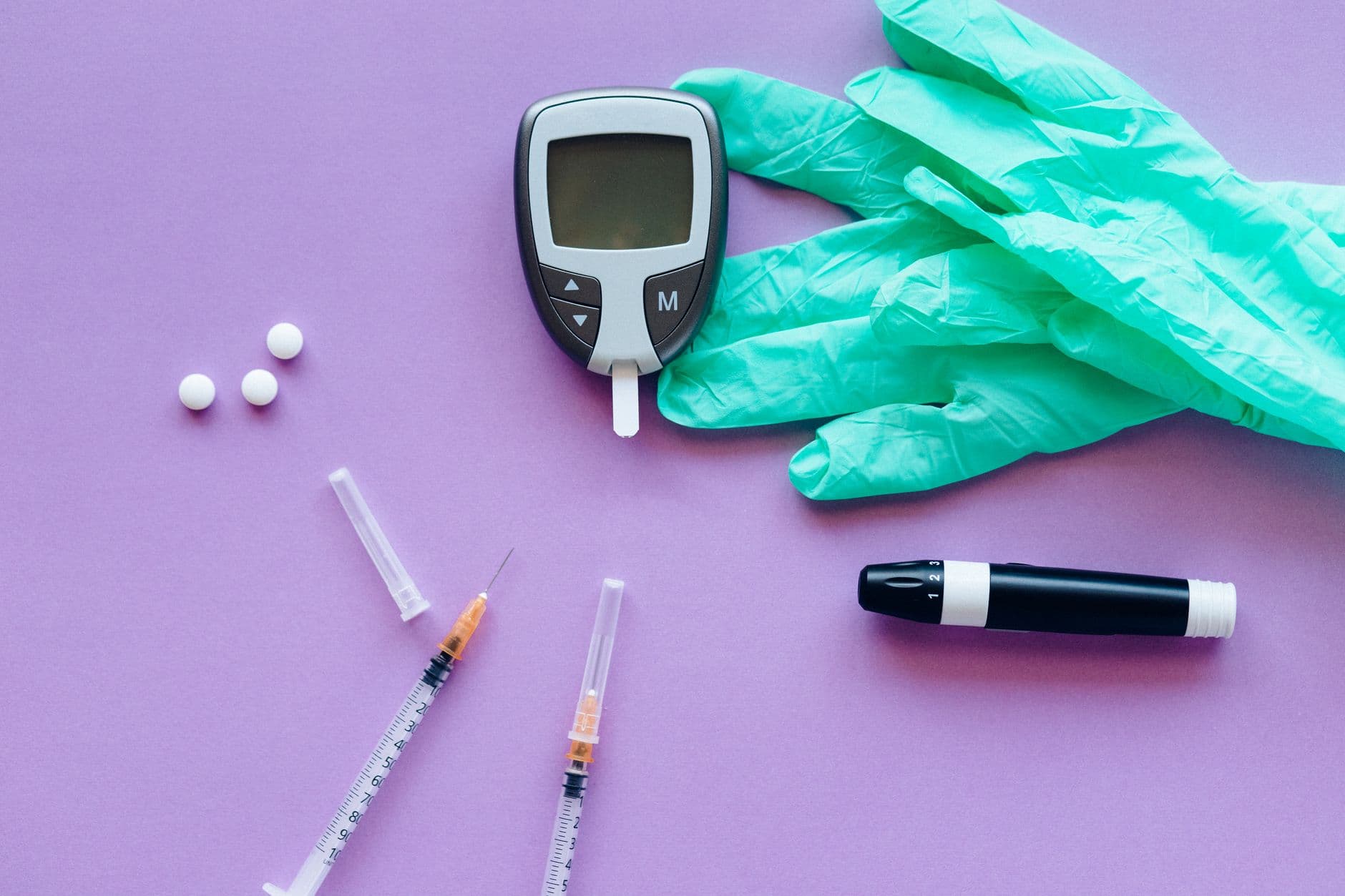
That is promising, but it is not the same thing as proof. The numbers are small, and the study is best read as a signal that adherence and outcomes may be connected in ways worth studying more carefully. For a community used to obsessing over ketone strips and blood ketone meters, that is the clinical version of the same instinct: numbers only matter if they relate to something real.
A 2025 Frontiers review pushes the monitoring argument further by saying capillary blood beta-hydroxybutyrate testing can help track adherence, interpret outcomes, and support personalized treatment adjustments in ketogenic metabolic therapies. That is the closest the literature gets to the everyday keto use case many readers will recognize: a finger-prick reading that helps explain whether the plan is being followed well enough to matter.
How far this is from routine care
The gap between “interesting biomarker” and “standard cancer tool” is still wide. The authors say disease-specific targets have not yet been established, and that means GKI should not be treated as a universal cure meter or a shortcut that replaces medical judgment. Ketogenic approaches, in this framing, belong in management strategies under clinical supervision, not as stand-alone cures.
The practical barriers are still there too. Broader adoption needs better protocols, a better user experience, and more research linking ketone levels to outcomes. Even so, Frontiers says more than 130 active clinical trials are now investigating ketogenic diets across physical, neurological, and mental health disorders, which shows how far the conversation has moved from fringe enthusiasm toward a serious research agenda.
For keto readers, that is the real story: a simple finger-prick test may eventually help translate “I think ketosis is working” into a measurable metabolic response. Right now, though, it is still a promising clinical tool in search of sharper targets, stronger validation, and the kind of evidence that can move it from interesting number to trusted guide.
Every story on Keto Diet Magazine is assembled by an automated editorial system that works from verified research, official records, and credible reporting, then clears automated accuracy and moderation checks before it goes live. The standards that system follows are set and overseen by the people who run the publication. Read our full editorial policy.
Did this article answer your question?