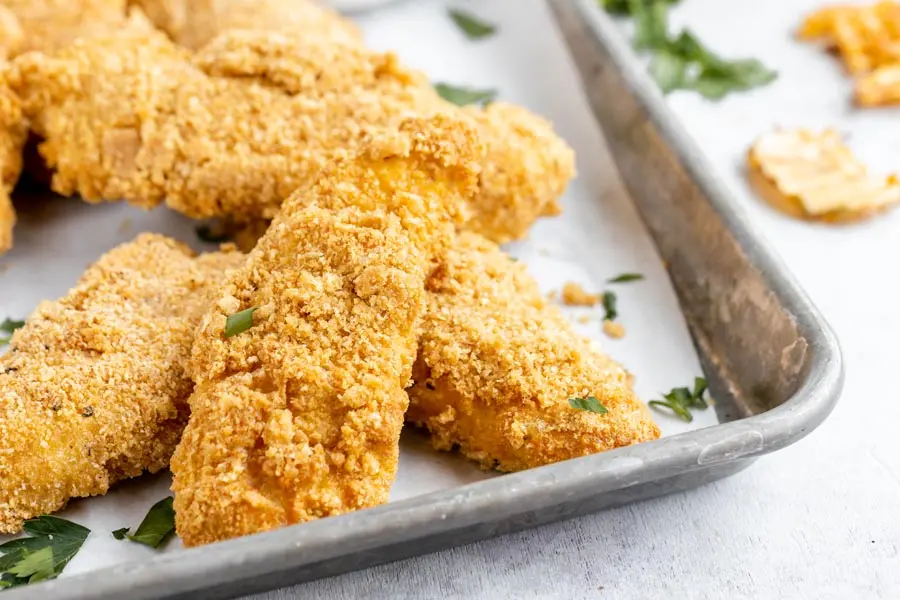
Texture is the whole point
Clara Roselyn’s keto chicken tenders are built around a simple but stubborn idea: crunch should not be the trade-off. Instead of treating breading as a low-carb formality, the recipe makes texture the headline, aiming for a crust that “shatter[s]” when you bite in while the chicken inside stays juicy.
That focus changes the whole feel of the dish. These are not designed to taste like a restraint meal or a polite substitute; they are meant to land like the tender you actually want to order, the kind that feels familiar, satisfying, and a little indulgent even when it fits neatly into a keto routine.
Why the coating works
The coating is where the recipe does its hardest work. Roselyn uses pork rinds ground fine with almond flour, a combination that leans on the crisping power of pork rinds while almond flour helps the crust cling and brown. The result is a breading that behaves more like a real fried coating than a loose low-carb dusting.
Just as important is what the recipe leaves out. The binder is egg-only, which keeps the process clean and direct while helping the coating adhere without dragging in extra moisture that can soften the crust. That restraint matters because sogginess is the enemy here, especially with almond-flour breading, which can go limp if the technique is sloppy or the finish is too gentle.
Roselyn’s approach fits squarely inside a well-established keto pattern. Across the low-carb world, pork rinds and almond flour show up again and again as breadcrumb stand-ins, and some versions push crispness further with parmesan, protein powder, or a second dredge. The formula is familiar, but the execution is what separates a passable substitute from something genuinely craveable.
The hot pan-to-oven finish makes the difference
The cooking method is just as intentional as the coating. Rather than relying on one long bake or a full deep-fry setup, the recipe uses a hot pan-to-oven finish, which gives the crust an early blast of heat before the chicken finishes cooking through in the oven. That combination helps the exterior set fast while the interior stays tender and juicy.
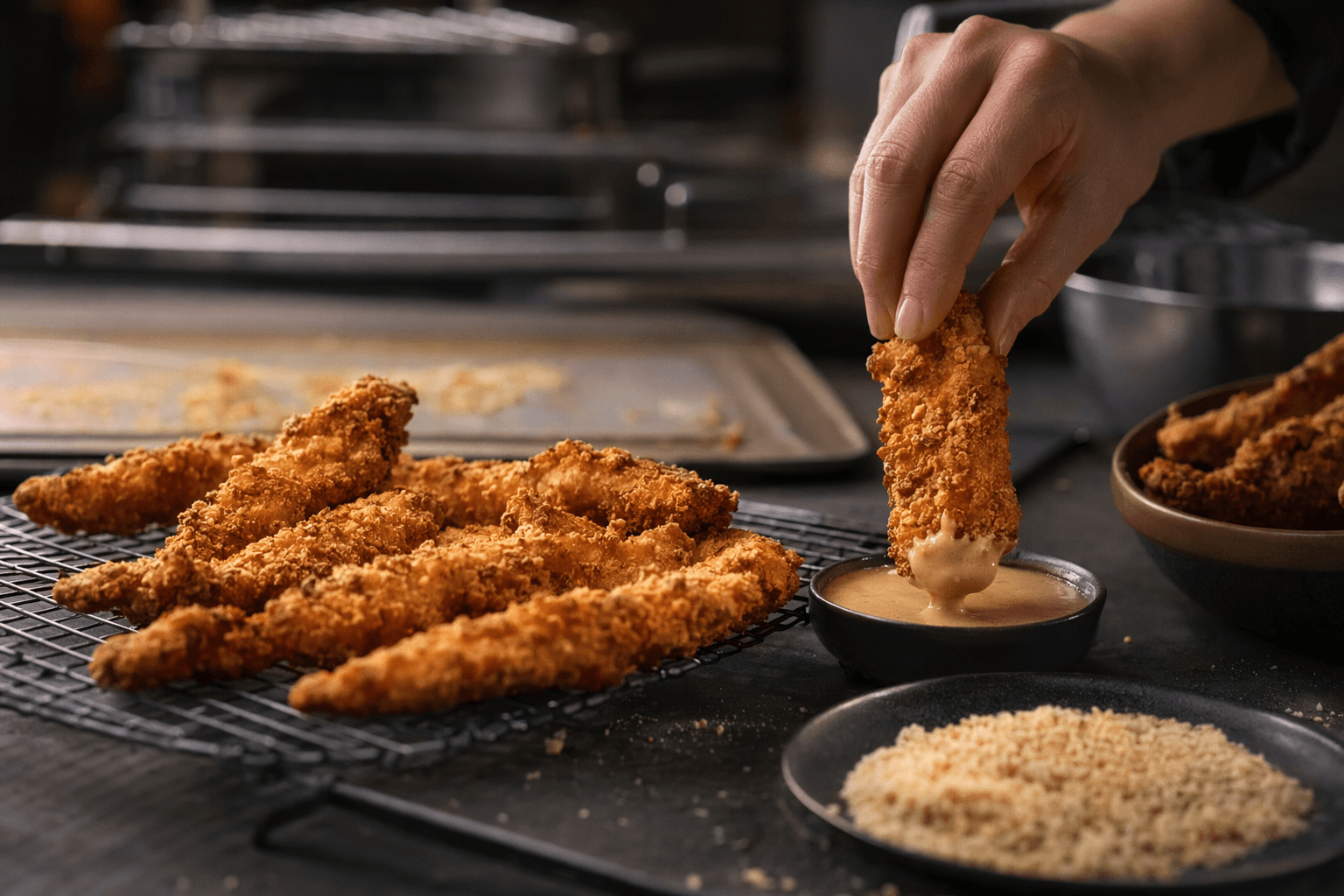
For keto cooks, this is the kind of technique that earns repeat use on a weeknight. It is quick, it keeps the process manageable, and it avoids the common problem where a baked tender never quite develops the robust crust people are chasing. In under thirty minutes, the recipe promises a result that feels more like careful frying logic than a shortcut.
That speed is part of the appeal. A recipe can be practical and still feel engineered, and this one clearly treats convenience as a design challenge rather than an excuse to settle.
Three months, ten batches, one goal
Roselyn says she went through ten test batches over three months to perfect the formula, and that kind of repetition shows up in the final structure of the recipe. The work is visible in the details: the fine grind of the pork rinds, the egg-only binder, the hot finish, and the seasoning payoff at the end.
That level of testing also explains why the recipe feels so deliberate about texture. The goal was never just to make chicken coated in keto-friendly crumbs. The goal was to recreate the sensory pleasure of a really good fried tender, with a crust that cracks cleanly and a center that still eats like chicken, not like a compromise.
The finishing salt matters more than it sounds
One of the most telling details is the flaky salt added right as the chicken comes out of the oven. It sounds small, but it is part of the recipe’s larger philosophy: the last step should brighten the crust and keep the whole bite tasting sharp, savory, and complete.
That final hit of salt helps the tenders read like craft food rather than diet food. It wakes up the pork rind-almond flour coating and reinforces the sense that the recipe is trying to win over everyone at the table, not just the strictest keto eater in the house.
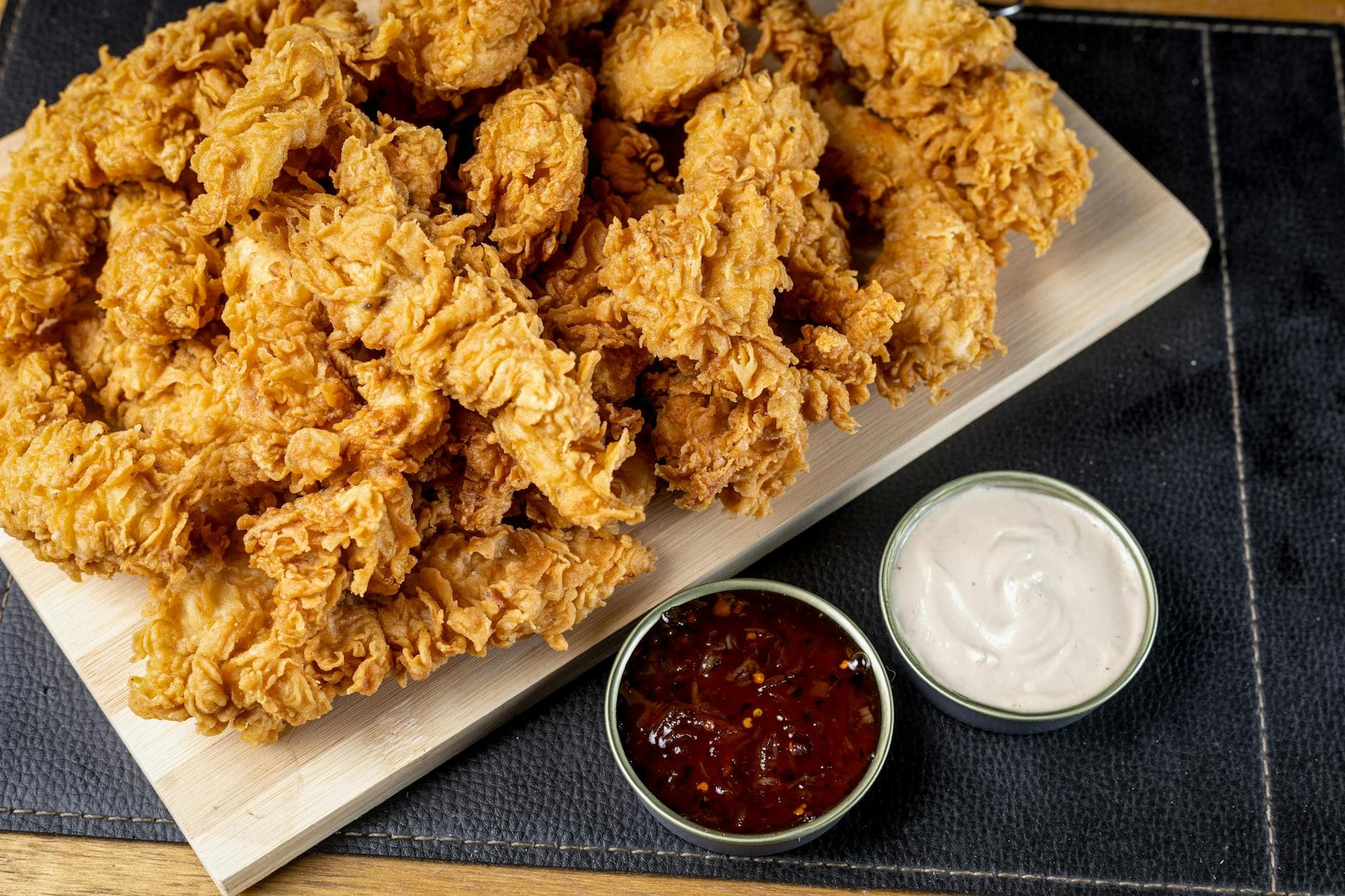
Why keto cooks keep coming back to recipes like this
The broader keto framework helps explain why a recipe like this has such staying power. The Centers for Disease Control and Prevention describes the ketogenic diet as a low-carbohydrate eating approach that requires attention to carbohydrate intake, and it notes that carb counting and meal planning can help people manage blood sugar levels. For many people, that makes comfort-food recipes especially valuable because they need to fit both the macros and the mood of the meal.
A 2024 systematic review and meta-analysis indexed in PubMed also examined very low-carbohydrate ketogenic diets and their effects on cardiovascular risk factors among people with type 2 diabetes. That kind of research does not turn a chicken tender into a health claim, but it does show why low-carb eating keeps drawing serious attention well beyond pure weight-loss chatter.
USDA nutrition references help fill in the ingredient logic. Cooked chicken is listed with no total carbohydrate in standard serving references, and pork charts note negligible amounts of dietary fiber and sugars. Put simply, the proteins at the center of this dish already fit a low-carb template, which makes the breading choice the real place where keto technique has to prove itself.
Why this recipe feels built for mixed tables
The most interesting thing about these tenders is not only that they are keto. It is that they are clearly trying to work for a household where not everyone is counting carbs. That is where the texture mission matters most, because a convincing crunch and juicy center do more than satisfy a macro target. They make the plate disappear fast, which is usually the best test of a comfort-food recipe.
Recipes from names familiar to keto cooks, including Wholesome Yum and Ketofocus, show how settled this breading strategy has become across the low-carb world. Roselyn’s version stands out because it treats that familiar formula with unusual seriousness, making the coating, the heat, and the finishing salt all serve the same goal.
In the end, these chicken tenders are persuasive because they understand the real craving. The point is not merely to avoid breading; it is to recreate the crackle, the juiciness, and the fast-food memory that make a good tender worth repeating.
Every story on Keto Diet Magazine is assembled by an automated editorial system that works from verified research, official records, and credible reporting, then clears automated accuracy and moderation checks before it goes live. The standards that system follows are set and overseen by the people who run the publication. Read our full editorial policy.
Did this article answer your question?