What this comparison is really testing
ChipMonk Baking is pushing the keto cookie conversation beyond a simple macro check. Its comparison of ChipMonk cookies and Quest products, published on May 17, 2026, treats the snack aisle as a label-literacy test, not a brand showdown, and asks a practical question keto shoppers know well: does the food actually work in real life?
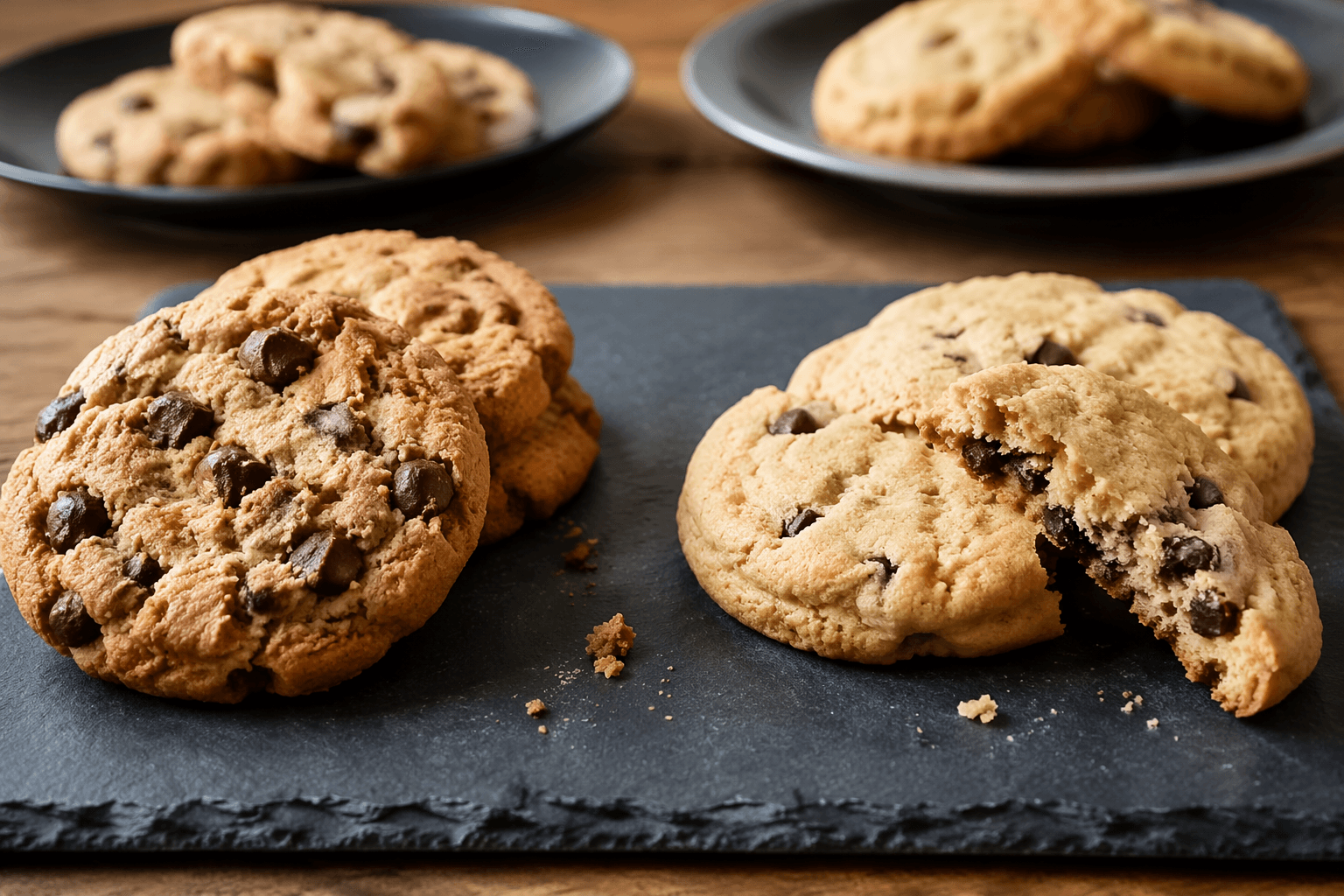
That framing matters because “keto-friendly” can mean very different eating experiences. One product may fit the carb count on paper, yet still leave you dealing with aftertaste, cravings, or digestive trouble. ChipMonk’s argument is that the best low-carb snack is not just the one that looks compliant, but the one you can keep eating without feeling like you are settling.
ChipMonk’s formula leans on comfort as much as macros
ChipMonk says its low-carb treats are made from nut and seed flour and sweetened with monk fruit and allulose. In its own nutrition examples, the cookies land in a roughly 170 to 210 calorie range, with about 1 to 3 grams of net carbs and 1 gram or less of sugar per cookie. That puts the brand squarely in the keto snack lane, but the company is clearly trying to sell more than numbers.
The comparison piece emphasizes plant-based fiber, quality sugar alcohols, and monk fruit as part of a blend meant to avoid the bitter or cooling aftertaste many people associate with diet sweets. That focus is a clue to how the keto market has matured. People are no longer shopping only for something that technically fits the macros. They want something portable, repeatable, and tolerable enough to become a habit.
ChipMonk’s pitch is also about satiety. In keto, a snack has to do more than stay low in carbs. It needs to carry you between meals without triggering the “I want another one” feeling that often comes from overly sweet formulas or thin, unsatisfying textures. That is where ingredient quality becomes part of the value proposition, not just a detail on the back of the package.
Quest still sells the macro story, but the ingredient list tells a deeper story
Quest Nutrition’s official site positions the brand as the maker of the “#1 selling Quest Bar,” and it says the brand offers 20 to 21 grams of high-quality protein, plenty of fiber, low carb, soy free, gluten free, and no added sugar. Its official story page says the first Quest Bar was created in 2010, the company expanded to its first trade show in 2012, and the Quest Chocolate Chip Cookie Dough Protein Bar launched in 2013.
That history helps explain why Quest has become such a familiar name in the low-carb space. It built its reputation on high protein and label-friendly macros, and for many shoppers that is still the main draw. But ChipMonk’s comparison suggests that a strong nutritional panel is only part of the equation once you are eating these products regularly.
Ingredient choices matter. Quest product listings show that many items use soluble corn fiber and sweeteners such as erythritol, stevia, sucralose, and, in some newer products, allulose. That means the real comparison is not just carb count versus carb count. It is fiber source versus fiber source, sweetener blend versus sweetener blend, and how each formula behaves after the first bite.
Why sweeteners and fiber change the experience
This is where keto label-literacy becomes essential. Two snacks can both be “low carb,” but one may feel cleaner and more satisfying while the other leaves a strange finish or a heavier stomach. ChipMonk is leaning into that distinction by arguing that some Quest products may be nutritionally solid but less satisfying in daily use, partly because of sweetener-related cravings or digestive discomfort.
That concern lines up with broader medical guidance on sugar alcohols. Medical sources note that sugar alcohols can cause gas, bloating, cramping, or diarrhea in some people, and that susceptibility varies by individual. In other words, the same ingredient that is harmless or even unnoticed for one person can be a dealbreaker for another. That variability is one reason keto shoppers keep getting burned by products that look perfect on paper.
Allulose adds another wrinkle. The Food and Drug Administration treats it differently on labels, excluding it from total and added sugars declarations while still counting it in total carbohydrate. That special treatment can make a product look cleaner at a glance, which is useful for compliance but not a substitute for understanding the full formula. For keto shoppers, the label still needs interpretation, not just a quick scan.
Marketed as keto is not the same as fit for your body
ChipMonk’s comparison lands in a bigger shift inside the low-carb aisle. Keto snacks have moved from novelty status into a more mature functional-food market, where brands compete on fiber quality, sweetener choice, satiety, and stomach comfort as much as on net carbs. That is a healthier way to shop, because it reflects how people actually eat.
The practical difference is simple. A snack can be marketed as keto and still be a poor fit if it pushes you toward cravings, bloating, or a second serving. Another snack can look slightly less glamorous on the front of the package and still work better because it uses ingredients that sit well with your body and keep you on plan.
A practical checklist for any packaged keto snack
Before you buy the next cookie, bar, or brownie, check the label the way a keto veteran would:
- Net carbs first, but do not stop there. Look at serving size and whether the portion feels realistic for how you actually snack.
- Check the sweeteners. Monk fruit, allulose, erythritol, stevia, and sucralose can all behave differently in taste and tolerance.
- Look at the fiber source. Nut and seed flour can feel different from soluble corn fiber, especially in texture and digestion.
- Watch the sugar alcohol load. If you already know certain sugar alcohols bother you, that matters more than a perfect macro line.
- Ask whether it is satisfying. A truly useful keto snack should help you stay steady, not set off more grazing.
- Think about repeat use. The best low-carb product is the one you can eat regularly without dreading the aftertaste or the aftermath.
ChipMonk’s comparison works because it treats keto snacking as a daily decision, not a branding contest. For readers who live by the macros, the real lesson is sharper than a simple win or loss: the best keto cookie is the one that keeps you in ketosis, sits well in your stomach, and makes the next choice easier instead of harder.
Every story on Keto Diet Magazine is assembled by an automated editorial system that works from verified research, official records, and credible reporting, then clears automated accuracy and moderation checks before it goes live. The standards that system follows are set and overseen by the people who run the publication. Read our full editorial policy.
Did this article answer your question?