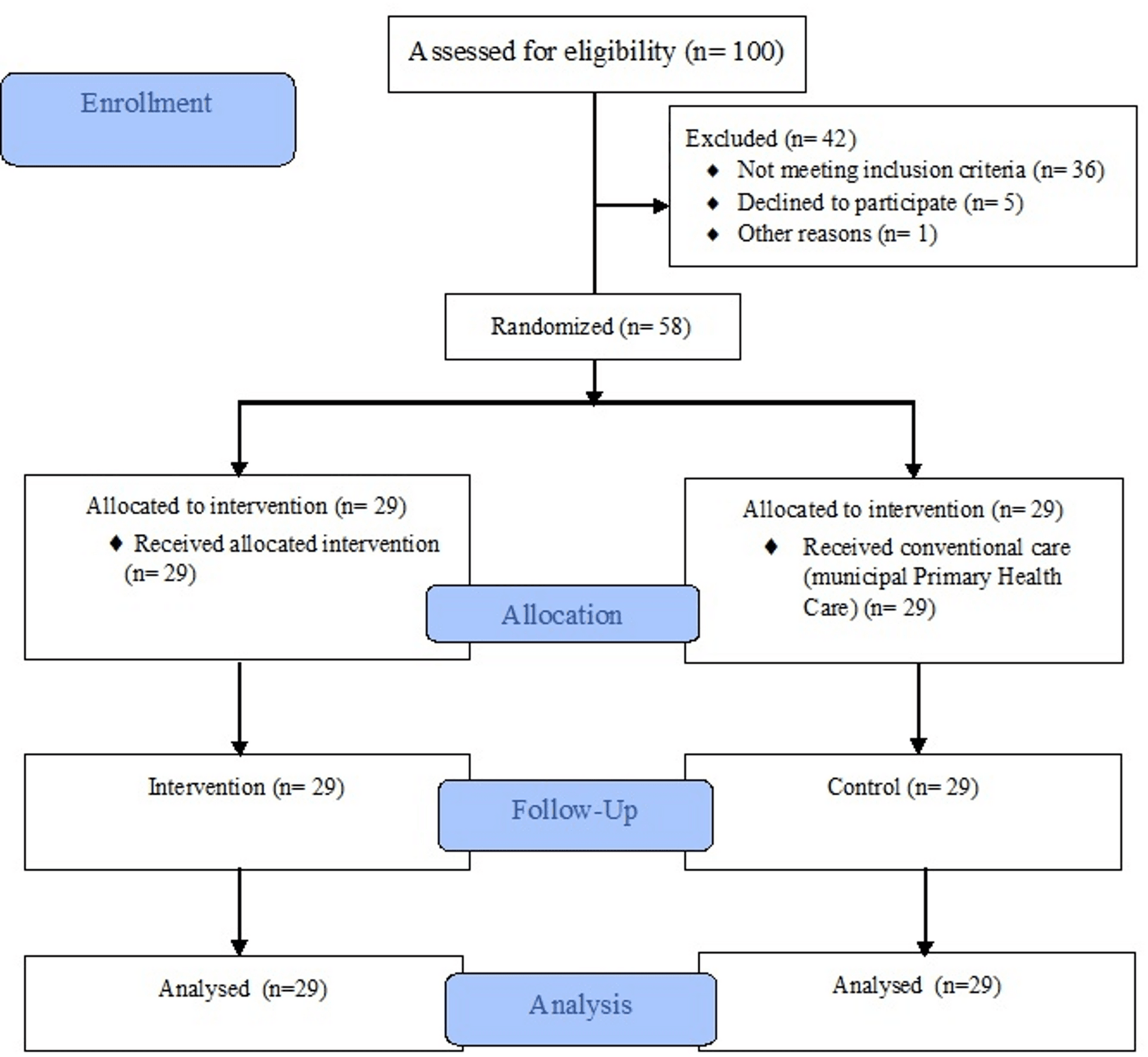
The real lesson from this Brazilian trial is not that carbs matter, but that carb advice finally worked when it came with coaching, follow-up and accountability. In a 16-week parallel randomized clinical trial, 58 adults with type 2 diabetes who were not using insulin were split 29 to 29 between an online nutrition-education program and conventional primary care, and the remote low-carb arm delivered measurable changes that usual care did not.
The intervention group posted a 0.91 percentage point drop in HbA1c, a 1.46 mmol/L fall in fasting glucose and a 1.63 kg/m² drop in BMI. The control group went the other way on two important markers, with fasting glucose rising 1.03 mmol/L and BMI increasing 0.96 kg/m², while HbA1c did not improve in a meaningful way. Between-group comparisons favored the education arm with p-values below 0.001, a net 1.17% difference in HbA1c and a 27.5% difference in fasting glucose.
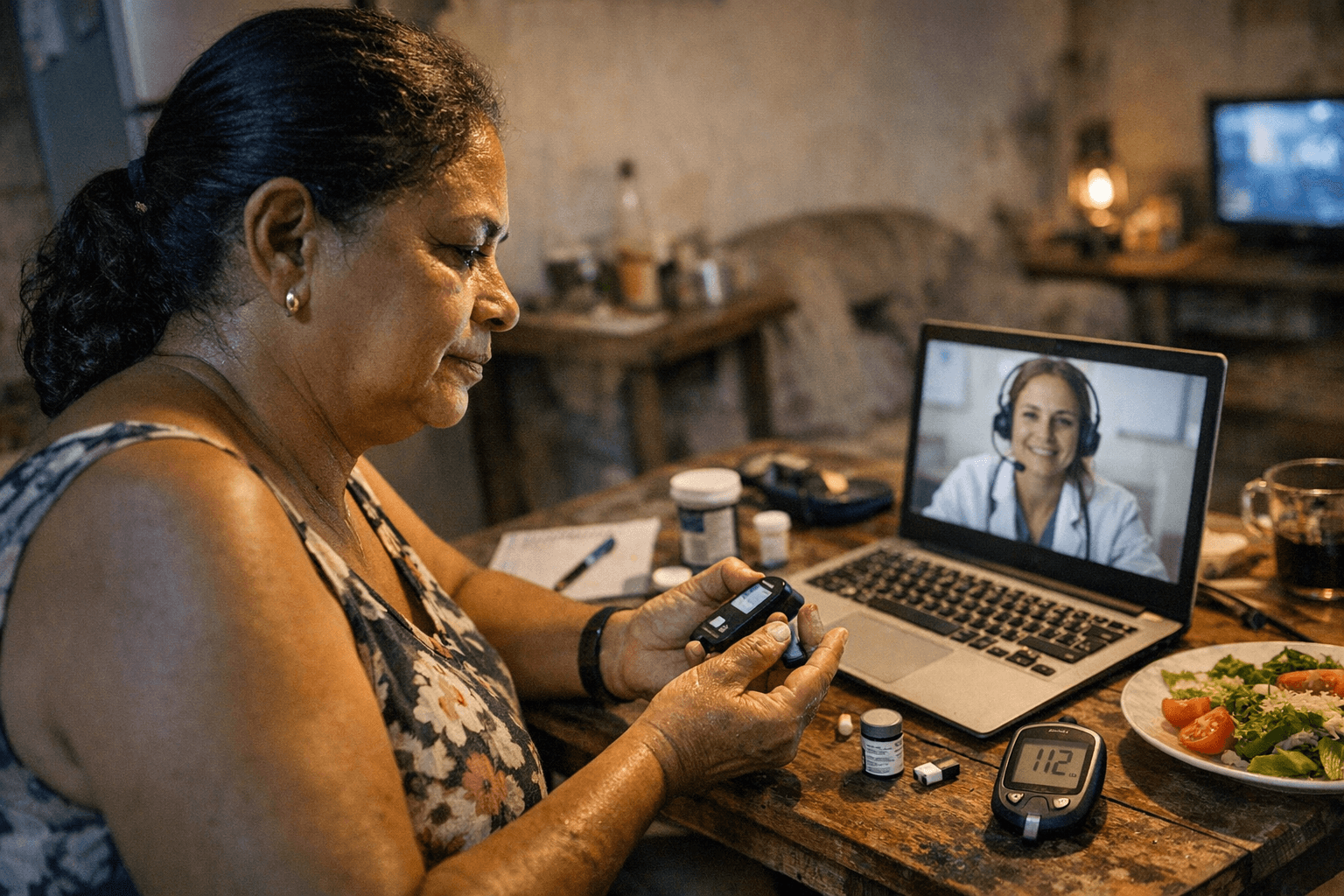
That is the kind of result keto readers should notice. Thirty-one percent of people in the intervention group reached an HbA1c of 6.5% or lower, compared with none in the control group. Oral antidiabetic medication use also fell in 44.8% of the coached participants, versus 0% in usual care. In other words, this was not just a diet tweak. It was a system for helping people actually stick to the low-carb plan long enough to matter.
The paper, published open access in Diabetology International on April 22, 2026, called the study a pioneering clinical trial of remote nutritional education using a low-carbohydrate approach in Brazilian primary care. That setting matters. The authors noted that Brazil’s adult population in capital cities has type 2 diabetes prevalence close to 10%, about 50% of Brazilians are covered by primary health care services, and the Brazilian Unified Health System, or SUS, provides around 30 million diabetes-related appointments each year.
The study was led by Gisely Sanagiotto Balbinot, Romulo Scariot Costódio and Geraldo Emílio Vicentini, all affiliated with the State University of Western Paraná, UNIOESTE, in Francisco Beltrão, Paraná. Their conclusion is hard to miss: when low-carb education is delivered remotely, repeatedly and with enough structure to support adherence, it can move glucose, weight and medication use in the real world, not just on paper.
Every story on Keto Diet Magazine is assembled by an automated editorial system that works from verified research, official records, and credible reporting, then clears automated accuracy and moderation checks before it goes live. The standards that system follows are set and overseen by the people who run the publication. Read our full editorial policy.
Did this article answer your question?