Bioavailability beats the label
The most useful keto question is not how impressive a food looks in a database. It is how much of it your body can actually absorb and put to work. That is the real point behind Kiltz Health’s May 8, 2026 piece, which pushes past raw nutrient counts and into the messier, more practical world of bioavailability.
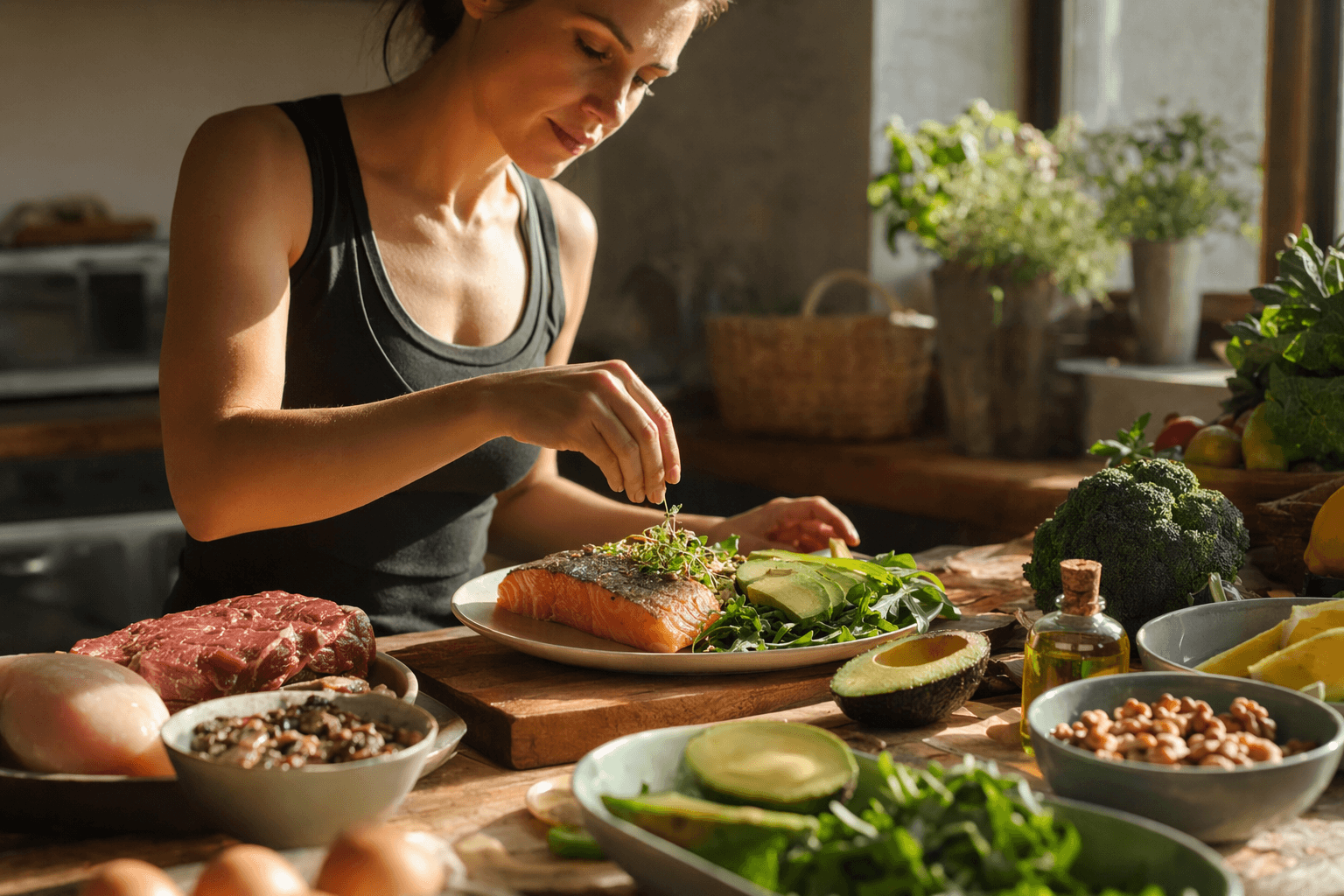
On a keto plate, that matters immediately. A food can be low-carb, high-fat, or loaded with vitamins on paper and still underdeliver if the nutrients are poorly absorbed. Steak and kale make a perfect test case because they look like a simple culture-war matchup, but the real issue is more specific: absorbable iron, usable protein, and whether a meal leaves you satisfied instead of chasing snacks an hour later.
Why steak often outperforms kale on the nutrients that count
The cleanest example is iron. The National Institutes of Health Office of Dietary Supplements says heme iron from meat is more bioavailable than nonheme iron from plant foods. It also says meat, poultry, and seafood increase absorption of nonheme iron. That means animal foods do not just bring their own iron to the table, they can help the rest of the meal work better too.
Plants and iron-fortified foods contain nonheme iron only. Meat, seafood, and poultry contain both heme and nonheme iron. That distinction matters more than it sounds like it does on a label. If you are looking at a nutrition panel, kale can look respectable. But if your body has a harder time extracting and using that iron, the number on the page is doing a lot more bragging than your bloodstream is.
This is why the steak-over-kale framing is really a debate about absorbable iron, not a childish argument about whether plants are useless. Kale still has a place. It just does not replace the mineral density and absorption profile of animal foods when iron status is the issue.
Why this hits women especially hard
The blood-health angle is not abstract. The World Health Organization says women of reproductive age are especially vulnerable to iron deficiency because they lose iron through menstruation and often do not get enough available iron in the diet. WHO estimates that more than 30% of women of reproductive age worldwide are anemic, and at least half of that burden is assumed to come from iron deficiency.
U.S. data tell a similar story. The Centers for Disease Control and Prevention reported anemia prevalence of 17.4% among adolescent girls ages 12 to 19 and 14.0% among women ages 20 to 59 during August 2021 through August 2023. CDC FastStats also reports iron deficiency in 22.6% of U.S. females ages 12 to 49 based on NHANES 2017 through March 2020 data. Those numbers are a blunt reminder that iron is not a niche concern, especially for women who are trying to keep energy, fertility, and recovery on track.
That is why bioavailability is not a theoretical nutrition-science flex. It is the difference between eating a meal that looks good and eating one that actually supports blood health.
What this means for keto and carnivore eating
In a keto context, the bioavailability argument lands harder because the diet is already about efficiency. Low-carb eating is not just about cutting out sugar and starch. It is also about making each bite count. If you are limiting total food volume, then the quality of the nutrients you do eat matters even more.
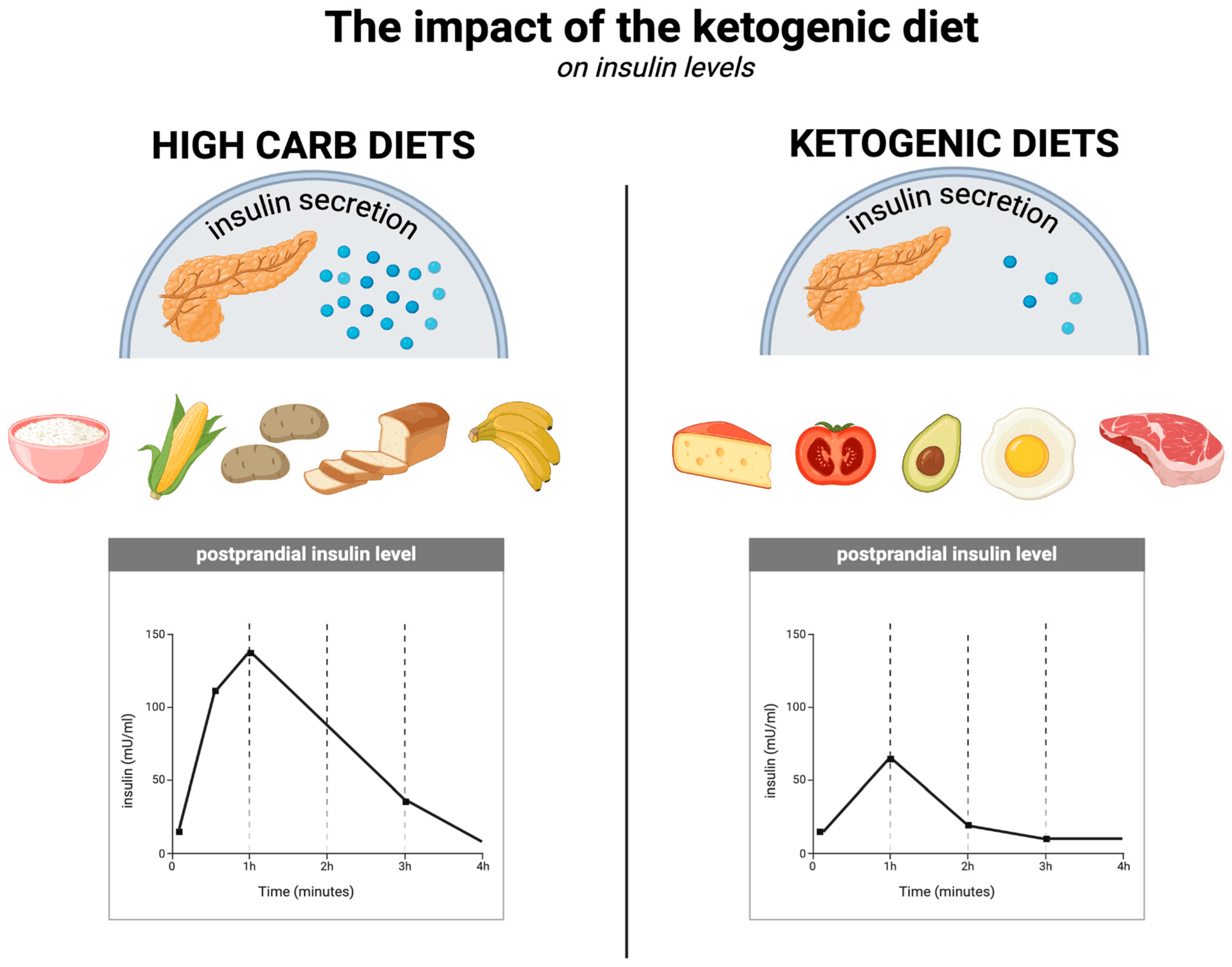
That is where animal foods earn their reputation in keto and carnivore circles. Meat, eggs, broth, and other animal foods are treated as foundational for a reason. They are not just calorie carriers. They are compact sources of protein and minerals that tend to be easier for the body to use. For people thinking in terms of blood health, fertility, or simply staying satisfied on fewer meals, that is a real advantage.
The point is not that every keto plate must be meat-only. The point is that a low-carb diet works best when it respects absorption, not just composition.
Where low-carb vegetables fit without pretending they are steak
Low-carb vegetables still matter, but they work best as complements rather than direct substitutes. Kale, spinach, and similar vegetables can bring texture, fiber, and a useful micronutrient mix to a meal. What they usually do not do is replace the absorbable iron and protein quality you get from animal foods.
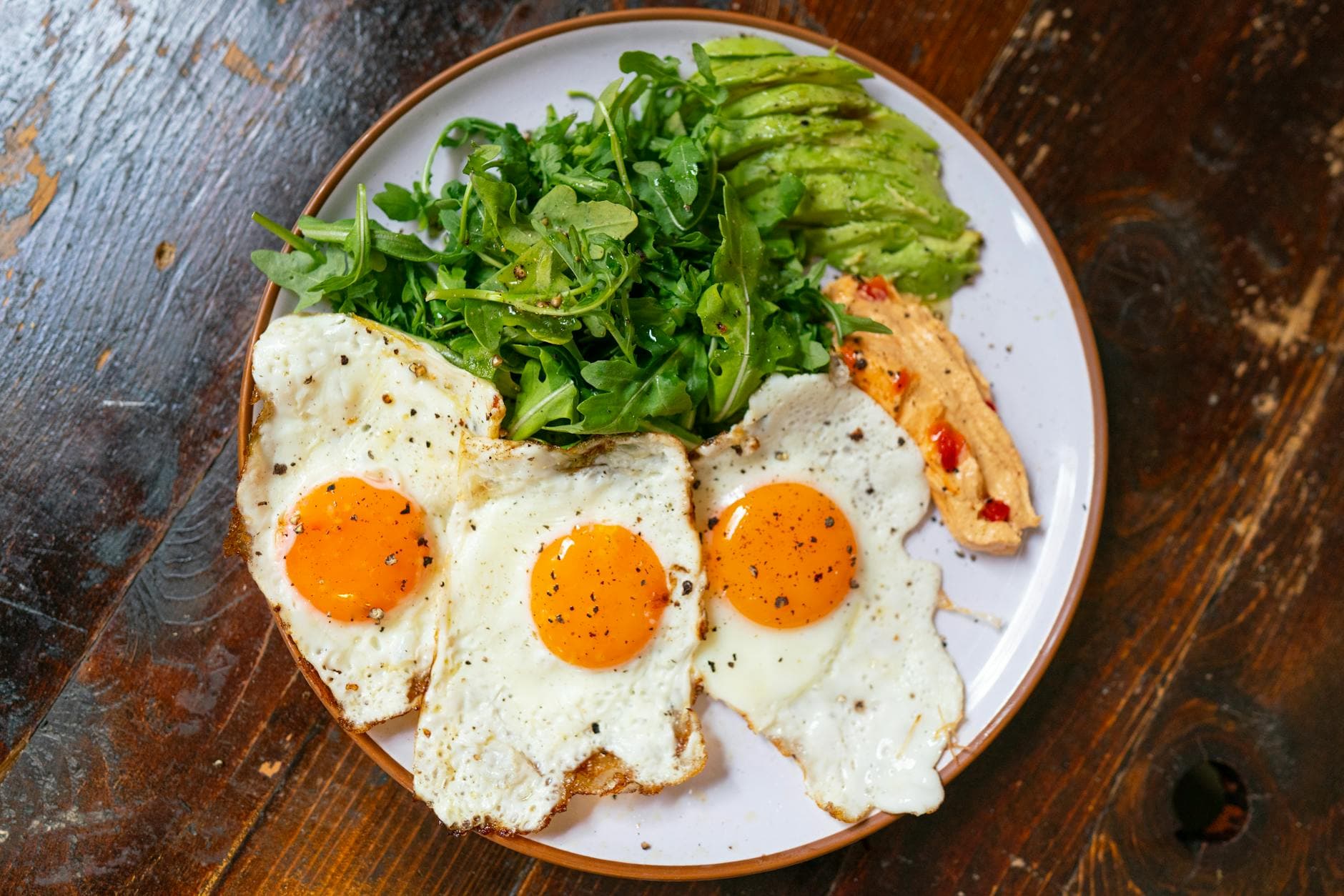
That is why the smart keto move is not to treat vegetables as rival protein sources. Use them to support the meal, not to impersonate it. A bowl of eggs or steak with a side of low-carb greens makes more sense than asking kale to stand in for meat and then acting surprised when hunger, energy, or iron status do not cooperate.
The 2023 review in Advances in Nutrition backs up that practical pairing idea. Across studies, adding muscle tissue or muscle tissue fractions to plant-based meals steadily increased iron and zinc absorption. That suggests animal-source foods can improve the mineral yield of a mixed meal, not just contribute their own nutrients. In other words, the best use of vegetables in keto is often as an accessory to the more bioavailable core of the plate.
Why the science still leaves room for nuance
This conversation is not settled by slogans. A 2024 review in the American Journal of Clinical Nutrition notes that the influence of the so-called meat factor remains unresolved, which is a good reminder that the exact mechanisms are still being studied. At the same time, a 2026 perspective in the American Journal of Clinical Nutrition argues that nutrient bioavailability is the missing ingredient in models of nutrient supply and environmental cost.
That is the bigger lesson here. Nutrient tables are useful, but they are incomplete. A diet model that ignores absorption is doing accounting with half the ledger missing. In real life, the difference between total iron and usable iron can be the difference between a plate that looks virtuous and a plate that actually keeps your blood, hormones, and energy in better shape.
The practical keto takeaway
If you are eating keto and trying to make smart choices, start with the question: what will I absorb, not just what will I list? Steak tends to beat kale on the nutrients that matter most for iron status because heme iron is more bioavailable, animal foods improve nonheme iron absorption, and the body gets more from the same bite. Kale still belongs on the plate, but as a supporting player.
That is the real shift here. Bioavailability does not turn keto into a meat-only manifesto, and it does not make plants irrelevant. It simply forces a more honest standard: the best food is not the one with the prettiest nutrient list, it is the one your body can actually use.
Every story on Keto Diet Magazine is assembled by an automated editorial system that works from verified research, official records, and credible reporting, then clears automated accuracy and moderation checks before it goes live. The standards that system follows are set and overseen by the people who run the publication. Read our full editorial policy.
Did this article answer your question?