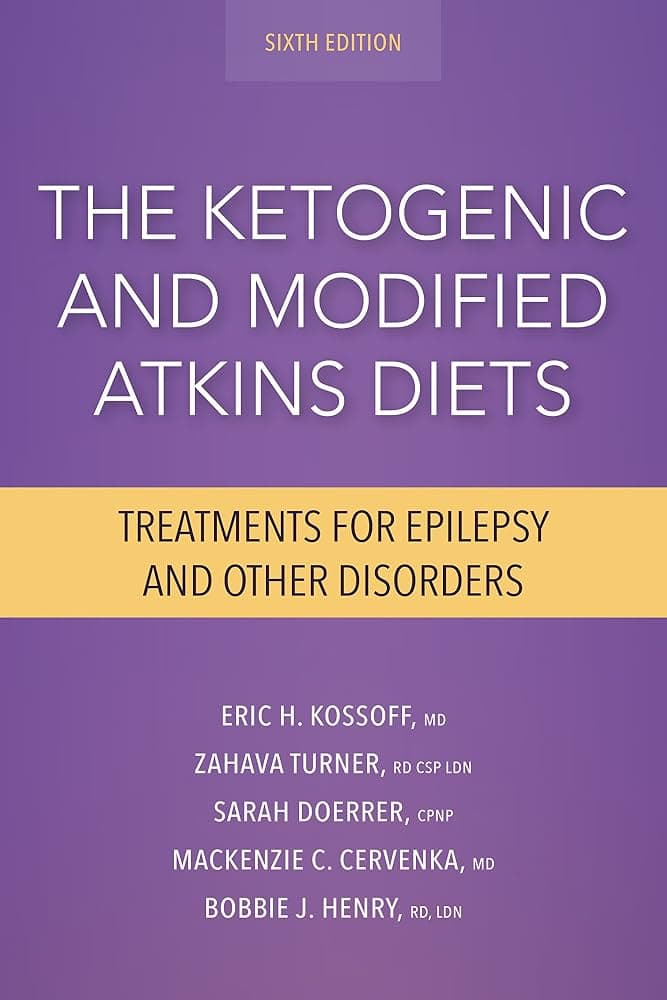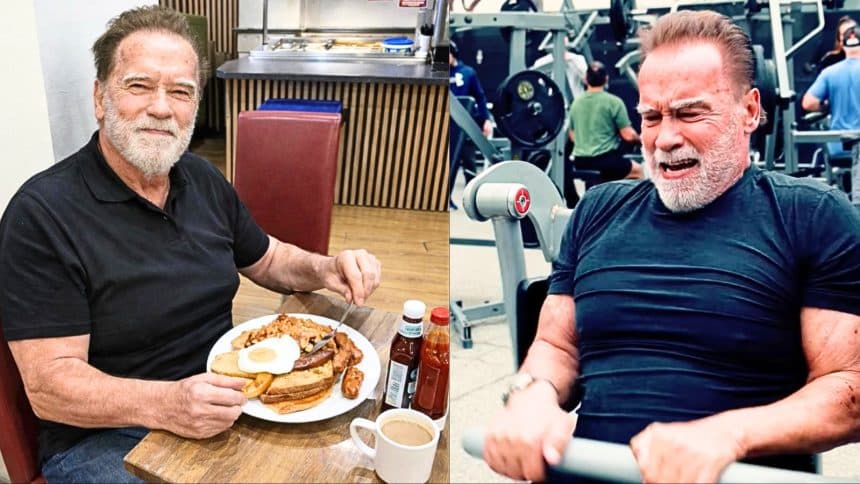
Arnold Schwarzenegger pushed back on the blunt claim that keto either wrecks training or works for everyone. The 78-year-old bodybuilder-turned-fitness icon said cutting carbs did not drag down performance across the board, but it could create real limits when athletes tried to push hard again and again.
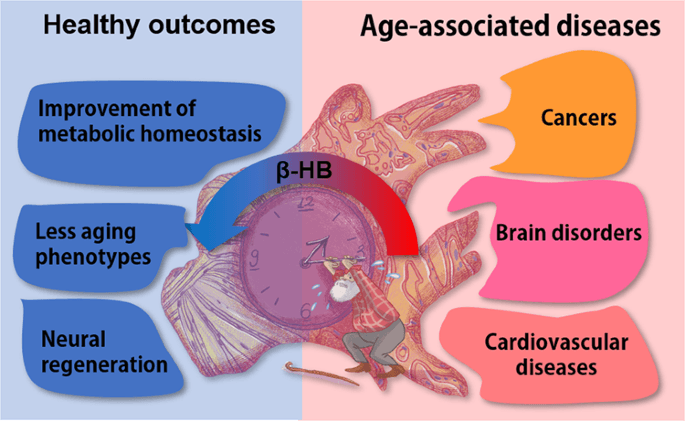
The case he highlighted was more specific than the usual keto argument. A newsletter segment from Arnold’s Pump Club pointed to 13 studies on carb restriction and short, intense exercise, and the pattern was consistent enough to matter: single max-effort actions such as one sprint, one jump or one heavy lift tended to hold up, while repeated hard efforts showed more decline in some studies. Schwarzenegger also stressed a reliable drop in lactate on low-carb diets, a sign that the metabolic shift is real even when the training effect changes by task.
That nuance fits what broader exercise nutrition research has shown. In a 2018 study of 20 male endurance-trained athletes, 12 weeks on a ketogenic low-carbohydrate, high-fat diet produced far more weight loss than a high-carb diet, with the keto group dropping 5.9 kilograms compared with 0.8 kilograms. The study found no significant difference in the 100-kilometer time trial overall, and sprint peak power actually rose in the ketogenic group by 0.8 watts per kilogram of bodyweight, while it slightly declined in the high-carb group.
But another study showed the other side of the ledger. In 2020, researchers followed 30 world-class race walkers through 3.5 weeks of ketogenic low-carbohydrate, high-fat eating and found increased markers of bone breakdown, along with lower markers of bone formation and metabolism after exercise. Carbohydrate restoration recovered some of those responses, but not all of them. For athletes whose sessions hinge on intervals, repeated hard sets or sustained high-intensity work, that kind of pattern is hard to ignore.
Schwarzenegger’s own training has also changed with age, moving away from mass-building and toward mobility and longevity. His diet is now mostly plant-based, with occasional carbs for heart-health reasons. That makes his message less like a diet slogan and more like a practical warning: keto is not automatically bad for fitness, but the transition period, the sport, and the intensity demands all shape whether it helps, holds steady or falls short.
Every story on Keto Diet Magazine is assembled by an automated editorial system that works from verified research, official records, and credible reporting, then clears automated accuracy and moderation checks before it goes live. The standards that system follows are set and overseen by the people who run the publication. Read our full editorial policy.
Did this article answer your question?