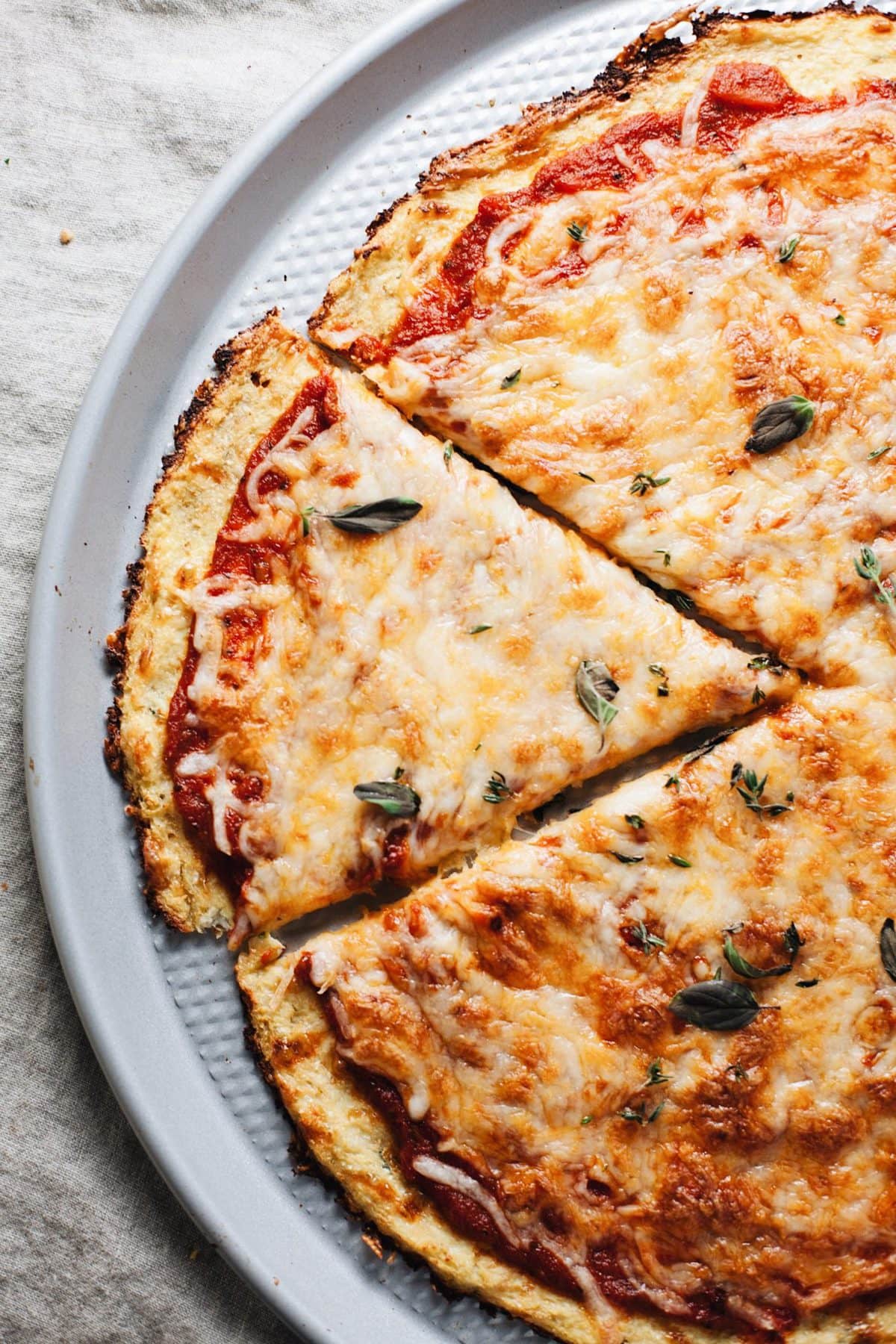
A cauliflower crust that actually behaves like pizza
WickedStuffed’s cauliflower crust reads less like a cute low-carb swap and more like a hard-won fix for everything that usually goes wrong. Amanda C. Hughes says she has made cauliflower crust pizza about a dozen different times, and the lesson she keeps coming back to is simple: the details decide whether dinner holds together or falls apart.
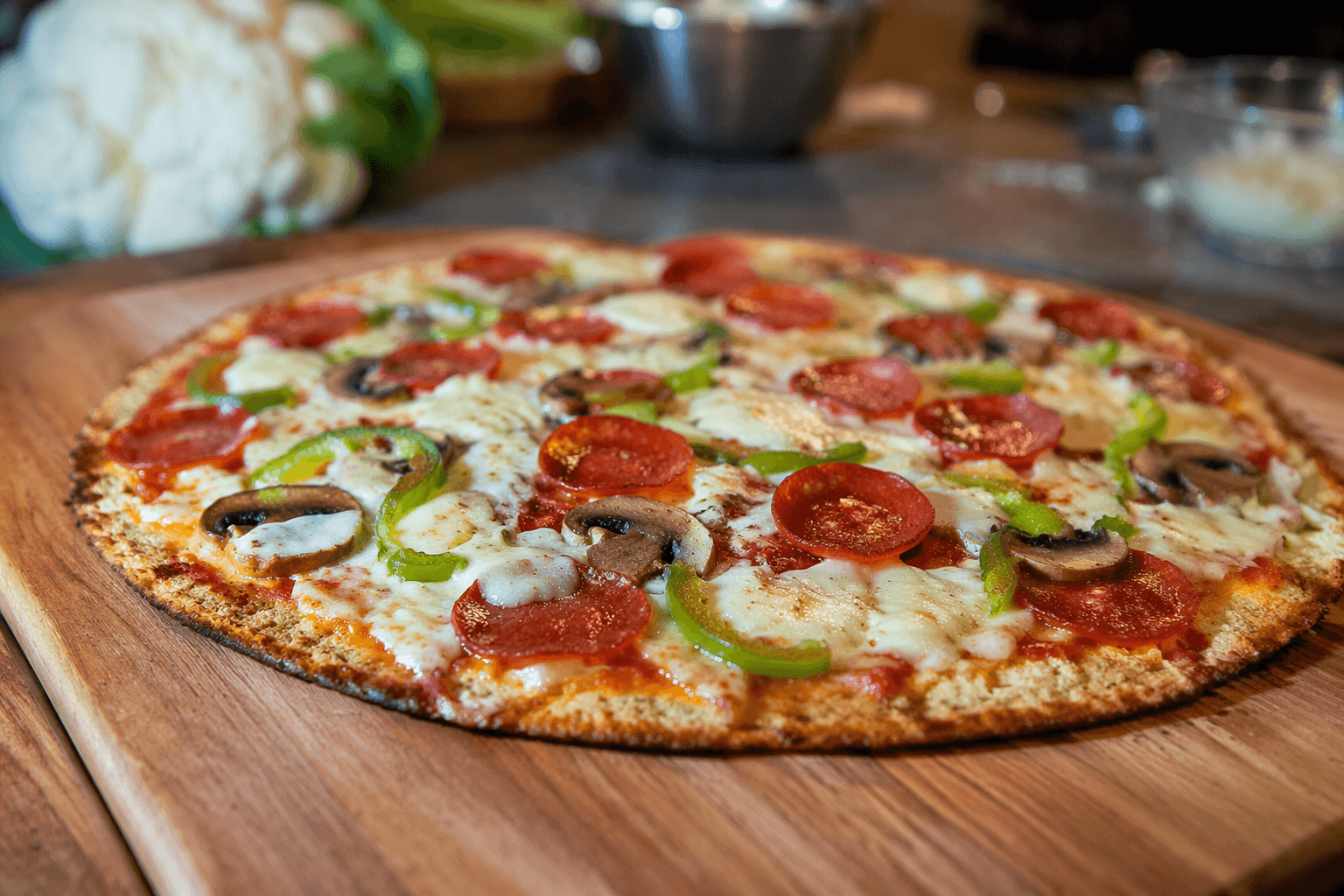
Why this version works when so many others do not
The real selling point here is not novelty, it is troubleshooting. Hughes builds the crust around three rules that speak directly to the usual keto pizza disappointments: use parchment paper instead of foil or an oily baking dish, make absolutely sure the cauliflower is dry, and keep the crust as thin as possible. Each one addresses a different failure point, from sticking and steaming to the soft, fragile texture that can make cauliflower crust feel more like a compromise than a meal.
That focus matters because the usual problem is not just flavor. It is structure. Too much mozzarella can give the crust that familiar pizza taste, but Hughes points out that it can also turn goopy and make the whole thing collapse. Parmesan does different work here, helping create the firmer, crustier texture the recipe needs if you want a slice that can survive the plate.
The ingredients are familiar, but each one has a job
This is one of those recipes that looks straightforward until you realize every ingredient is pulling its weight. The crust uses riced cauliflower, mozzarella, parmesan, a beaten egg, Italian seasoning, garlic powder, and garlic salt. That combination keeps the flavor profile close to pizza territory while still aiming for the dry, sturdy texture that cauliflower crust so often lacks.
The recipe yields one large crust or two small ones, takes about 50 minutes total, and is listed at 0 grams of net carbs. For keto readers, that combination is the appeal in one line: a pizza base that stays within plan without asking you to sacrifice the whole ritual of pizza night. The goal is not just low carb, it is a base that can actually carry toppings without buckling.
- Riced cauliflower gives the crust its body, but only if the moisture is pressed out well.
- Mozzarella adds familiar pizza flavor, but too much can soften the structure.
- Parmesan helps with firmness and browning, which is what gives the crust its bite.
- The egg binds everything together so the crust can be shaped and baked.
- Italian seasoning, garlic powder, and garlic salt keep the flavor from tasting flat or vegetal.
The method is all about moisture control
The process starts with cooking the riced cauliflower, then squeezing out moisture, cooling it, and shaping it into a very thin crust before baking. That sequence is the whole point of the recipe. If you rush the drying step, the crust is much more likely to steam instead of crisp, and once that happens the thin shape is working against you.
Think of it as a recipe built to remove the two biggest liabilities in cauliflower crust: water and bulk. Hughes’s advice about parchment paper, dryness, and thinness is not a stylistic flourish, it is the practical answer to why so many homemade versions end up soft in the middle, gummy around the edges, or impossible to lift without breaking. The method gives keto cooks a repeatable path, not just a vague idea of how cauliflower pizza is supposed to work.
The keto appeal is bigger than one recipe
Pizza is one of the most common cravings that pushes people off plan, which is why cauliflower crust keeps getting so much attention in keto and low-carb circles. Health-oriented coverage says cauliflower crust pizza is typically lower in carbohydrates than regular wheat crust, but the nutrition can vary widely depending on the recipe and toppings. That is an important reminder that “low carb” does not automatically mean uniform, and it certainly does not guarantee a better texture.
That variability is exactly why a tested, detail-heavy recipe matters. Healthline has noted that there is no shortage of cauliflower crust recipes you can make at home, and plenty of ready-made options exist too, but the bigger question is whether the crust is actually healthier than traditional pizza. The answer depends on formulation, because homemade and store-bought versions can differ a lot in calories, protein, sodium, and fiber. For keto readers, the more useful question is usually simpler: does it stay low in net carbs and still eat like pizza?
Cauliflower crust went from niche fix to mainstream habit
This recipe also sits inside a much bigger food trend. By the late 2010s, cauliflower crust had become a mainstream presence in restaurants and grocery stores, and industry reporting says manufacturers have kept launching crusts made from rice flour and vegetables such as cauliflower. That rise reflects a broader demand for healthier pizza variants, especially gluten-free, dairy-free, vegan, and low-calorie options.
The market numbers show how large that shift has become. A global pizza market report cited by Business Wire says the market reached US$141.1 billion in 2022 and was projected to reach US$192.4 billion by 2028, with healthier product variants among the drivers of growth. CAULIPOWER has leaned into that momentum by marketing itself as the original cauliflower crust pizza brand, a sign of how quickly this once-niche idea moved into the mainstream.
For keto cooks, that history explains why Hughes’s version lands so well. The category is already crowded, the store shelves are full, and the promise of cauliflower crust is familiar by now. What still separates a good one from a disappointing one is the same old problem: whether you dried it enough, kept it thin enough, and gave the cheese the right job.
WickedStuffed’s version works because it treats cauliflower crust like a technique, not a trend. That is the difference between a pizza substitute that slumps under its own moisture and one that finally gives keto readers the thing they were after all along: a crust that can hold, brown, and eat like dinner.
Every story on Keto Diet Magazine is assembled by an automated editorial system that works from verified research, official records, and credible reporting, then clears automated accuracy and moderation checks before it goes live. The standards that system follows are set and overseen by the people who run the publication. Read our full editorial policy.
Did this article answer your question?