WebMD’s ketogenic diet slideshow does what many keto explainers fail to do: it starts with the fuel switch. When carbs drop very low, your body leans harder on fat and begins making ketones, which can then serve as fuel. That simple change reshapes the whole day-to-day reality of eating keto, from what lands in your cart to how your body feels in the first stretch.
Where keto came from
Keto has a much older medical pedigree than its social-media reputation suggests. Johns Hopkins Medicine says it is one of the oldest therapies for epilepsy, and a Johns Hopkins review published in PMC notes that fasting and other dietary regimens have been used to treat epilepsy since at least 500 BC. The modern ketogenic diet was introduced in the 1920s, used before modern anti-seizure drugs became common, and then declined before renewed interest brought it back into the conversation.
That history still matters because Johns Hopkins materials continue to frame keto as a specialized therapy for epilepsy, including medication-refractory seizures. In other words, the diet’s roots are clinical, not cosmetic, even though most newcomers now meet it through weight-loss content and recipe reels.
What actually changes on your plate
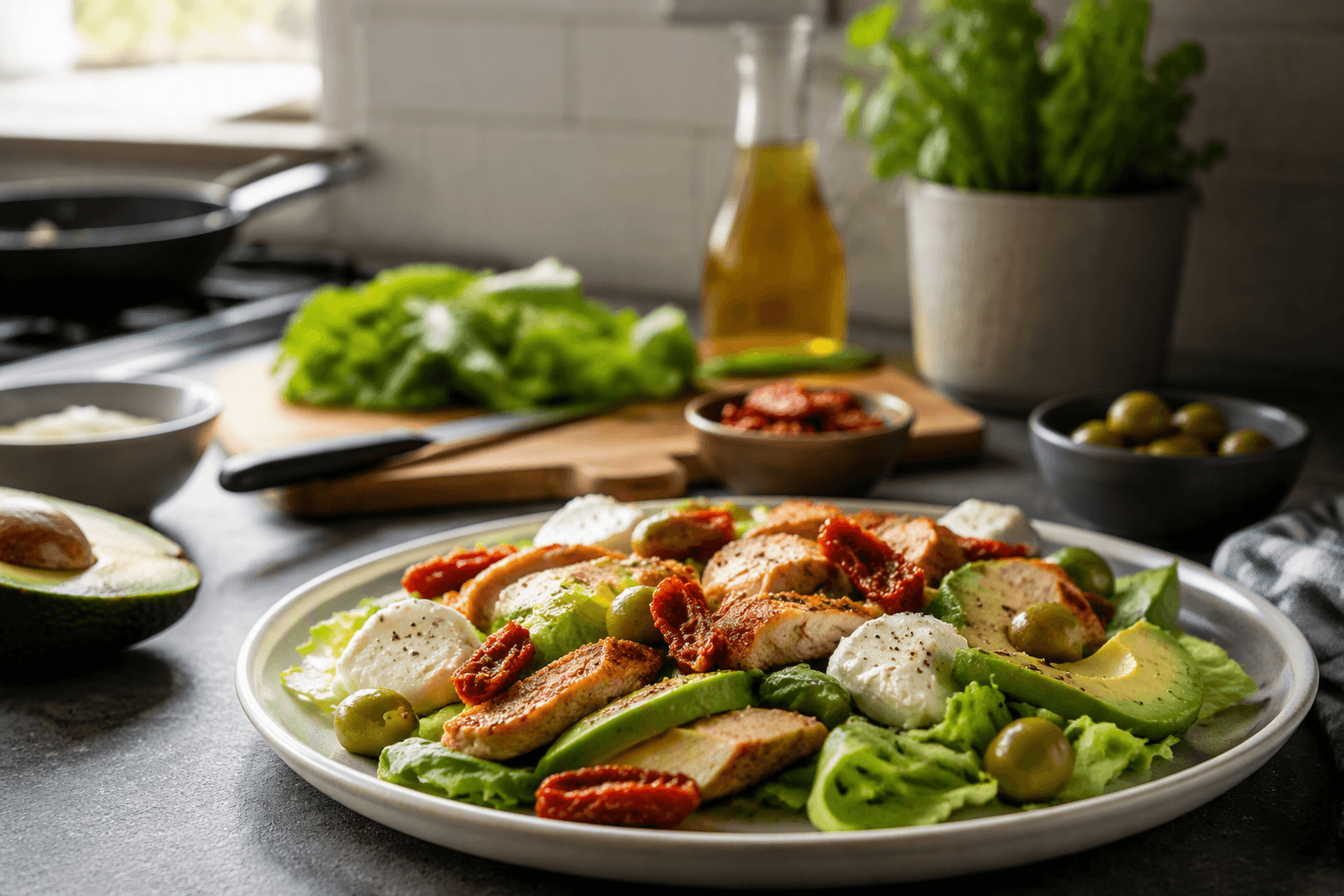
The practical version of keto is stricter than a lot of people expect. Mayo Clinic describes it as a high-fat, very-low-carbohydrate diet, and the WebMD slideshow reflects that by emphasizing meats, fish, eggs, nuts, seeds, cheese, oils, and non-starchy vegetables. Grains, sugars, sweets, and many processed foods get pushed to the side or cut out entirely.
That is where keto diverges from simply “eating low-carb.” A bowl of rice, a slice of bread, a piece of fruit, or a starchy side can eat up your carb budget fast, which is why meal planning and portion awareness matter from day one. If you are used to thinking of low-carb as a loose style of eating, true keto feels more like a precision diet: the margins are tight enough that small extras can keep you out of ketosis.
Mayo Clinic’s April 8, 2022 explainer captured why the diet keeps drawing attention by describing it as a way people hoped to shed fat fast and even “reverse diabetes.” A later Mayo Clinic community health post by Carly Olin on July 6, 2023 also noted how popular it had become on social media and how often it was marketed as “keto-friendly.”
What the first 1 to 2 weeks often feel like
The opening stretch is where a lot of beginners get blindsided. Harvard Health describes keto flu as the collection of symptoms some people experience when starting a ketogenic diet, and Intermountain Health’s Oct. 24, 2023 guide, updated Nov. 17, 2023, highlights the same early-adaptation period. Weakness, headaches, and digestive changes are all part of the picture for some people, and they usually show up while the body is learning to run on a different fuel mix.
That is the part many newcomers mistake for “doing keto wrong.” In reality, the early days often mean your eating is more deliberate while your body is adjusting, which is one reason the first week can feel more demanding than the glossy before-and-after stories suggest. If the diet feels harsh at the start, that does not automatically mean it is failing, but it does mean you are in the part of the process where caution and attention matter most.
True keto is not the same as low-carb
The key misconception is thinking ketosis and low-carb are interchangeable. They are not. A low-carb plan can reduce bread, pasta, and sugar without lowering carbs enough to make ketones a major fuel source, while a ketogenic diet is intentionally structured to trigger that metabolic shift.
That is why the same food can look harmless in one plan and disruptive in another. Bread, fruit, and starchy sides may seem small on their own, but on keto they can push you out of the narrow carb range the diet depends on. The stricter the carb cut, the more the diet behaves like a full metabolic strategy instead of a general healthy-eating pattern.
Who should pause before trying it
This is the point where a clinician conversation is not optional for a lot of people. If you have diabetes, especially if you take insulin or other glucose-lowering medication, carb restriction can change blood sugar quickly and dramatically. Medical sources also flag pregnancy and kidney disease as reasons to be careful before starting keto without supervision.
Heart health deserves attention too. Heart UK notes that many ketogenic diets can be high in saturated fat and cholesterol because they may include fatty meats, processed meats, lard, butter, cream, and cheese. The American Heart Association continues to advise limiting saturated fat for heart health, and a 2024 study in JACC: Advances examined the association between a low-carbohydrate high-fat diet, plasma lipid levels, and cardiovascular risk. That is one reason the diet remains controversial outside epilepsy care, where Johns Hopkins still treats it as a specialized therapy with a clear medical role.
The real beginner reality check
Keto is not just a trendy way to trim carbs. It is a very specific shift in metabolism, and WebMD’s slideshow works because it makes that shift feel legible: more fat-driven eating, fewer starches and sugars, and a real adjustment period before the routine feels normal. If the first grocery run feels stricter than expected and the first two weeks feel a little off, that is the diet showing its true shape rather than hiding it.
Every story on Keto Diet Magazine is assembled by an automated editorial system that works from verified research, official records, and credible reporting, then clears automated accuracy and moderation checks before it goes live. The standards that system follows are set and overseen by the people who run the publication. Read our full editorial policy.
Did this article answer your question?