Food is not just macros
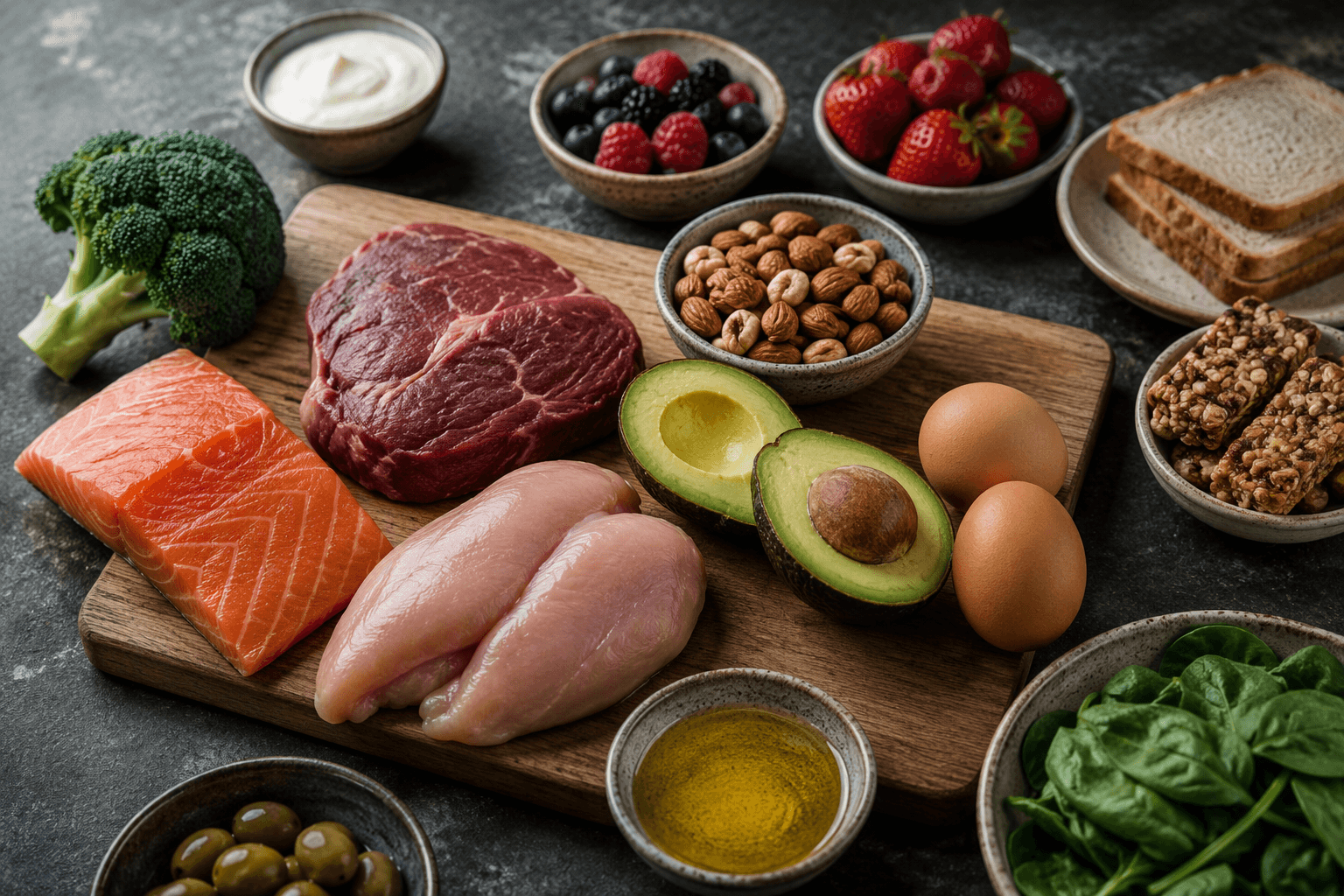
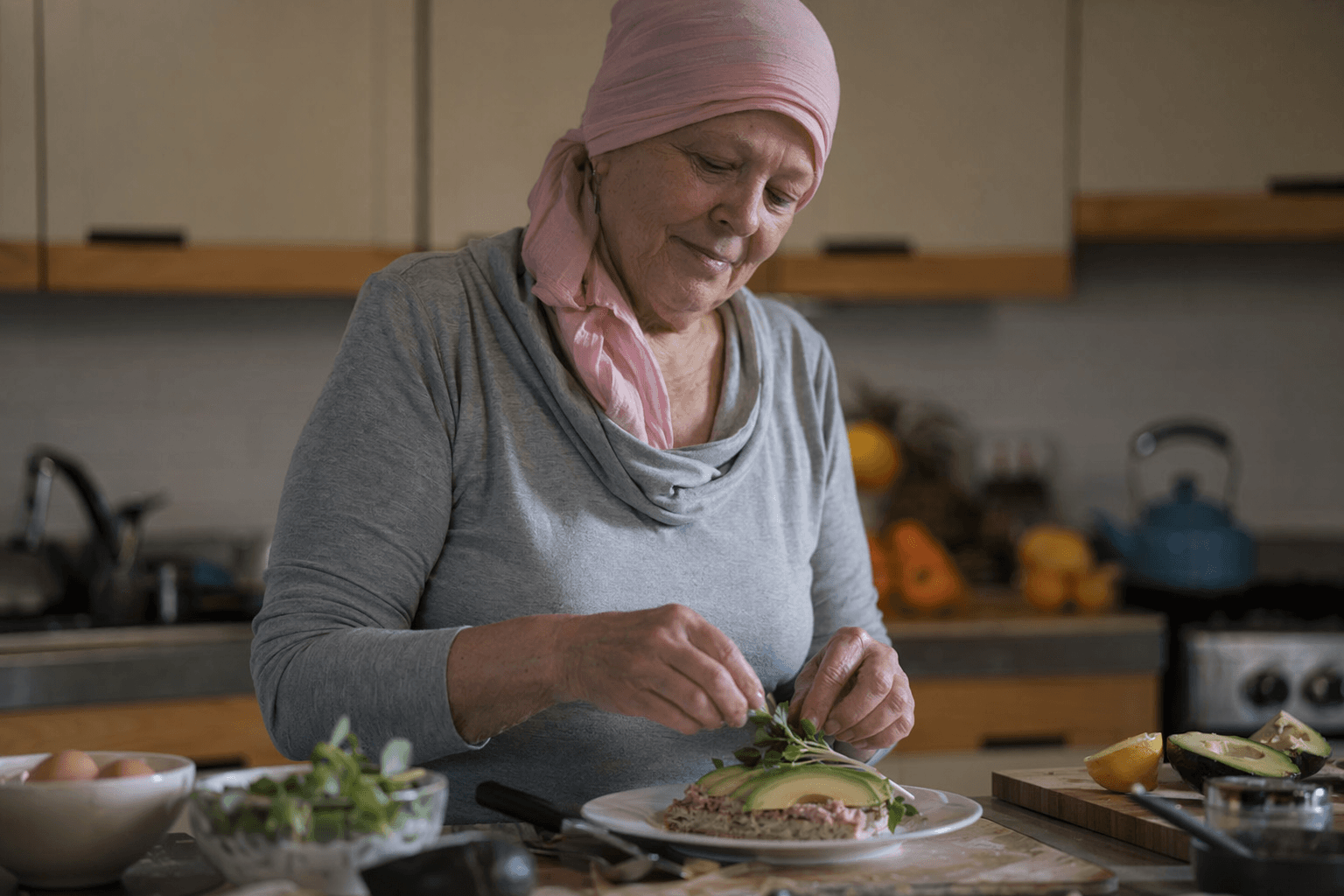
Martha Tettenborn, RD, PCH, starts from a simple idea that keto debates often miss: meals carry pleasure, aversion, memory, identity, family tradition and belonging. That matters even on a normal Tuesday, but it matters more when illness interrupts the rhythms that make eating feel automatic. If you have ever tried to force a perfectly “clean” plate when nothing sounds good, you already know the difference between chasing purity and actually getting through the meal.
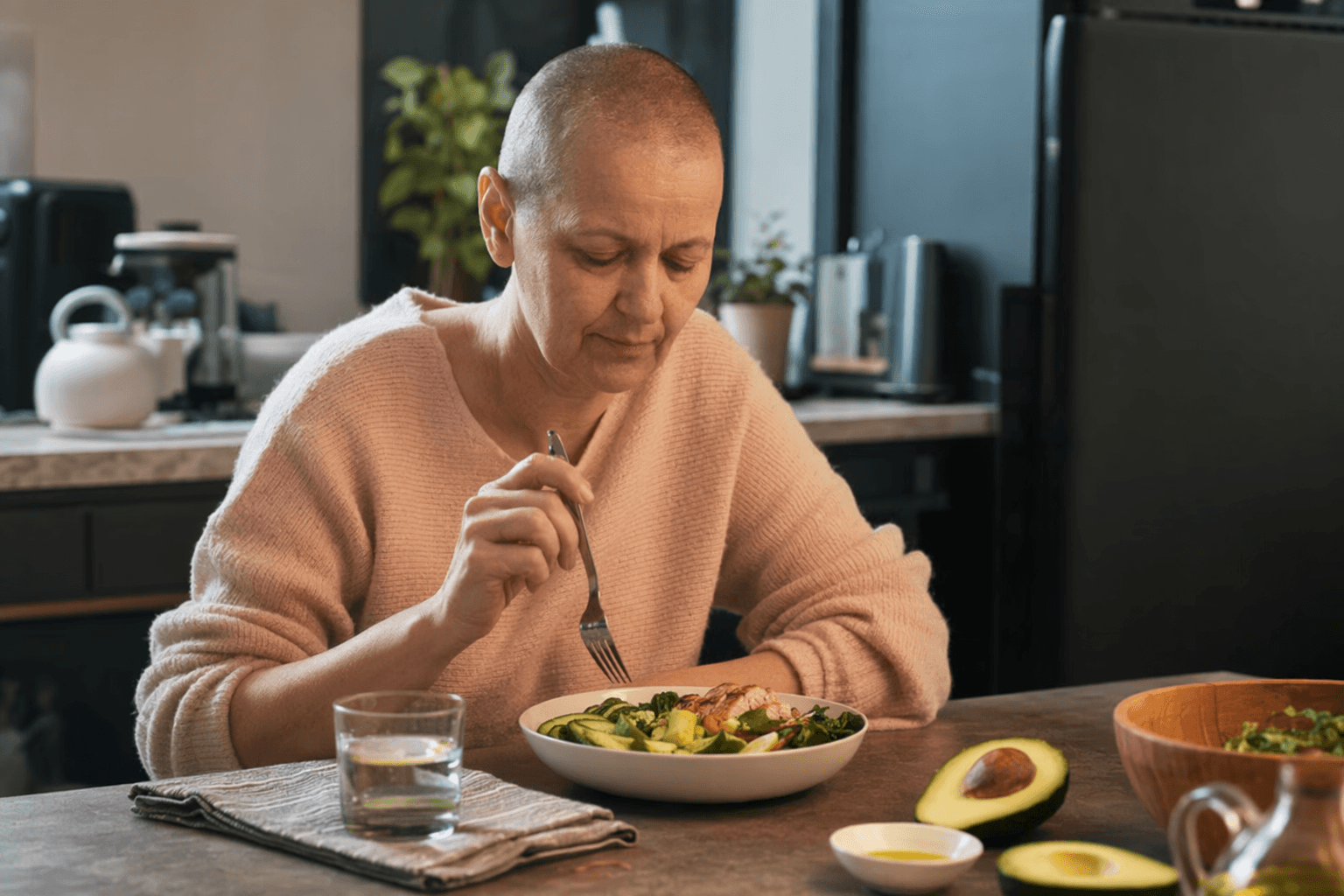
That is why the clean keto versus dirty keto argument only gets you so far. In the cancer setting, the more useful question is whether a keto pattern can survive real life: the weird tastes, the tender mouth, the days when food feels like work, and the moments when a familiar dish is the only thing that still feels human.
Why cancer changes the rules
Cancer and cancer treatment can change nutritional needs in ways that make rigid adherence harder than it looks on paper. Loss of appetite is common, and so are nausea, vomiting, diarrhea, chewing and swallowing difficulties, and taste changes. The National Cancer Institute and the American Cancer Society both emphasize that eating can become difficult during treatment, not because people are undisciplined, but because the body itself changes the terms of the deal.
The article also points to a wider list of barriers that can interfere with a strict keto pattern: constipation, maldigestion, malabsorption and even bowel obstruction. Put those together and you get the real-world problem. A diet can be theoretically well-designed and still be a bad fit if it makes eating more punishing than it already is. In that setting, “staying keto” cannot be the only measure of success. Keeping nutrition going has to matter just as much.
Sustainable keto is the more useful lens
This is where sustainable keto starts to look more honest than purity-based labels. Clean keto and dirty keto tend to argue about ingredients, but sustainability asks a different question: can you keep doing this when your appetite is fragile, your energy is low and your life is already full of hard things? That framing is especially relevant for readers navigating cancer, because comfort, pleasure, affordability and routine can decide whether a plan holds together or collapses.
Tettenborn’s point lands because it treats comfort-food substitutions as legitimate, not as moral failures. If a familiar food helps you eat when treatment has made eating feel hostile, that is not a loophole. It is a strategy. A sustainable keto approach makes room for the emotional side of eating, the family rituals that still matter, and the practical reality that some days are about getting something down, not proving anything to a macro tracker.
- Familiarity can be a nutritional tool when food aversion is high.
- Comfort matters when nausea or mouth discomfort makes “ideal” foods impossible.
- Routine can reduce decision fatigue when treatment already drains your bandwidth.
- Affordability matters because a plan that is too expensive is not sustainable, no matter how clean it looks.
That is the article’s strongest contribution: it shifts keto away from food policing and toward lived reality. For someone in treatment, the best version of keto may be the one that protects appetite, dignity and the ability to keep eating.
What the evidence says, and what it does not
The scientific backdrop is still unsettled, and that uncertainty matters. A 2021 systematic review found that clinical evidence for ketogenic diets in cancer patients was still lacking, and it also reported that adherence was low in most studies. That is an important detail, because a diet that cannot be followed consistently is not much help to patients already dealing with weight loss and side effects.
More recent review work paints a more mixed but slightly more hopeful picture. A review of systematic reviews and meta-analyses, after screening 615 articles and examining 24 eligible reviews, found that ketogenic diets may improve metabolic markers such as glucose and triglycerides, and may show benefits in body composition and quality of life. Even so, the overall evidence remains mixed, which is exactly why rigid promises sound stronger than the data supports.
Guideline reviews have taken a similarly cautious position. They say there is insufficient evidence to recommend for or against ketogenic or low-carbohydrate diets for improving cancer outcomes, quality of life or treatment toxicity. In plain English, that means keto is not a settled oncology answer. It may be a personal nutrition framework for some people, but it is not a magic bullet, and it should not be judged only by how strict it looks on the plate.
Why this conversation keeps growing
KETO-MOJO has built a substantial cancer content hub, with multiple keto-and-cancer articles, interviews and speaker-series entries. That larger editorial ecosystem reflects what patients and practitioners are already wrestling with: not just whether keto can be done, but how it can be done without stripping away the parts of eating that keep people going.
That is the real takeaway from the clean, dirty and sustainable keto debate. During cancer treatment, food is not merely fuel and keto is not merely a test of willpower. The version that matters most is the one you can actually live with, because the best nutrition plan is the one that keeps you nourished enough to face the next day.
Every story on Keto Diet Magazine is assembled by an automated editorial system that works from verified research, official records, and credible reporting, then clears automated accuracy and moderation checks before it goes live. The standards that system follows are set and overseen by the people who run the publication. Read our full editorial policy.
Did this article answer your question?