An eight-hour eating window may have helped older women think more clearly, pushing time-restricted eating beyond weight and glucose control. The point for keto readers is the clock: this line of research is about when food is eaten, not a special macro split.
The preliminary study kept meals and snacks inside a nine-hour window and banned food for the final four hours before bed. Older adults on that schedule did better on problem-solving tests. That is the part to separate from the usual keto conversation about carbs, fat and protein, because the intervention tested timing itself.
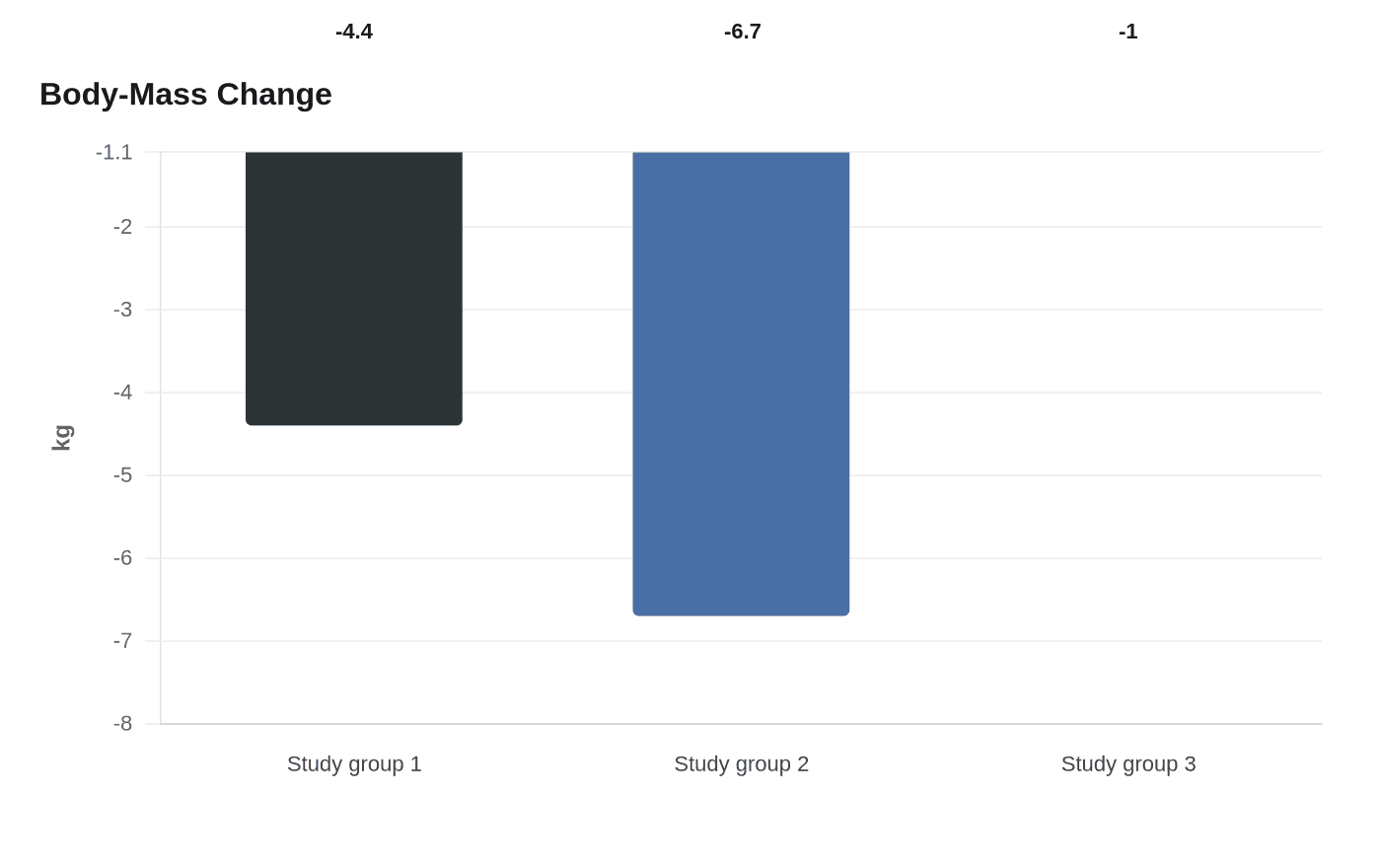
A 2026 paper in The Journals of Gerontology: Series A, Caloric restriction and time-restricted eating in older adults with overweight or obesity: The Health, Aging, and Later-Life Outcomes Pilot Study, found that time-restricted eating participants ate within an 8.5-hour window on a median of 84% of days. Mean body-mass change was -4.4 kg, -6.7 kg and -1.0 kg across study groups. The pattern was practical enough to stick, which matters more than theory when you are judging whether a fasting window will fit real life.
The brain-health angle has been building for a while. A Cambridge University Press pilot study on prolonged nightly fasting in older adults with memory decline was published online on Dec. 12, 2024, and Johns Hopkins Medicine later called that kind of pilot work a blueprint for testing how diet affects brain health. A Frontiers in Medicine review published online on Jan. 12, 2026, also treated time-restricted eating as a possible strategy for healthy aging.
Broader reviews have stayed cautious but encouraging. A 2024 systematic review in PubMed Central examined time-restricted eating and intermittent fasting in older adults and looked at cognitive function and mental health, while a 2024 review in ScienceDirect concluded both approaches may help those outcomes. For keto readers, the practical crossover is straightforward: an eight-hour window may be worth attention not just for eating less often, but for whether a shorter daily feeding window could support thinking as women age.
Every story on Keto Diet Magazine is assembled by an automated editorial system that works from verified research, official records, and credible reporting, then clears automated accuracy and moderation checks before it goes live. The standards that system follows are set and overseen by the people who run the publication. Read our full editorial policy.
Did this article answer your question?