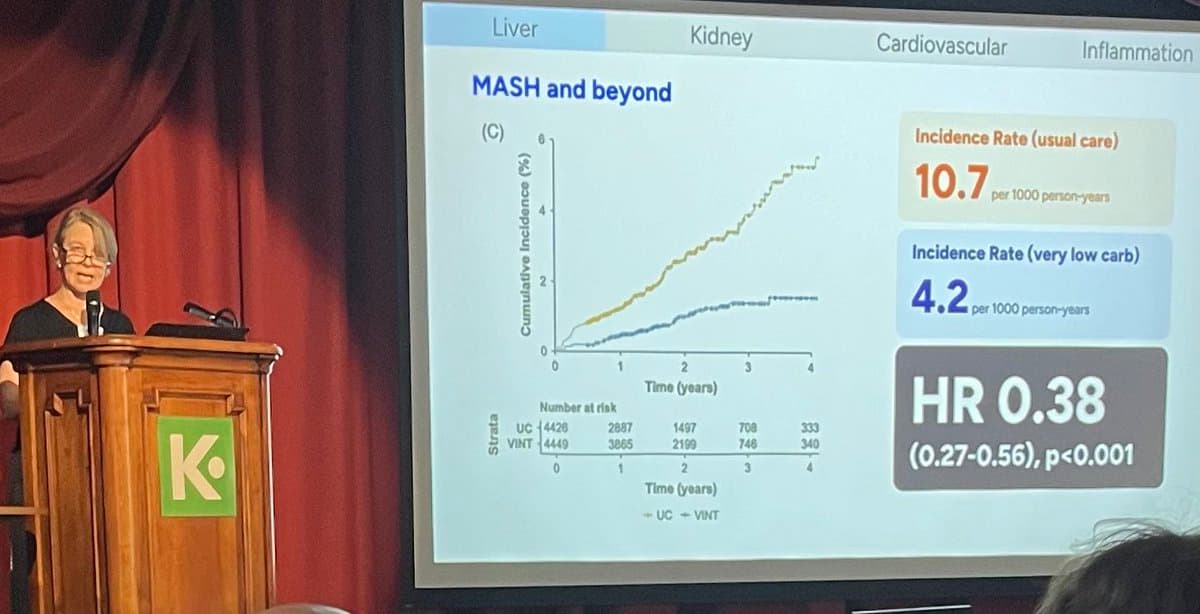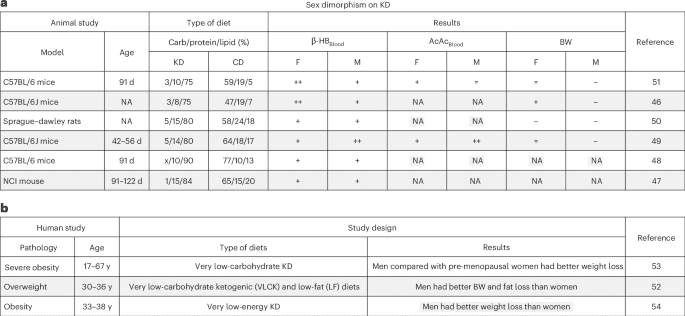
A standardized ketogenic diet did not produce one uniform result in mice. It pushed male and female animals down different metabolic paths in the body, even as the brain seemed to respond more consistently, a split that challenges the idea that keto works the same way for every body.
The paper, Sex-specific systemic and brain metabolic responses to a standardized ketogenic diet in mice, found that the strongest differences showed up outside the brain. Females tended to be leaner, their weight-loss response varied more, and they handled ketones and glucose differently from males. In contrast, brain metabolism was comparatively stable across sexes, suggesting that the central nervous system may be buffered from some of the peripheral changes that keto triggers elsewhere.
That distinction matters because ketogenic diets are often discussed in broad, one-size-fits-all terms, especially in weight management circles. This study points in the opposite direction: sex, baseline metabolic state and biology can shape how a ketogenic intervention actually behaves. The result is a warning sign for anyone trying to read too much into a single anecdote, whether it is a fast drop on the scale, stronger energy, or a rough adjustment period. What one person experiences on keto may not map neatly onto another, and the mouse data suggest sex is part of that gap.

The new findings also fit a growing pattern in the ketogenic literature. A 2025 Cell Reports study found that male, but not female, mice on a ketogenic diet accumulated markers of cellular senescence, and estrogen appeared to block those effects. A 2024 Nutrients study reported sex- and age-specific responses as well, including glucose intolerance in younger and older male mice and acute rotarod improvement in younger females. Together, those studies suggest that sex is not a minor variable in keto research. It may be one of the main forces shaping the outcome.
That is especially relevant because ketogenic diets are already being studied for refractory epilepsy and other neurologic conditions. The new mouse findings sharpen the picture: keto is not a single effect, but a package of metabolic shifts, some of which appear to diverge sharply by sex while others, such as brain metabolism, hold steadier. For the keto community, the takeaway is clear. The same diet can land very differently, and the difference may begin long before the first ketones rise.
Every story on Keto Diet Magazine is assembled by an automated editorial system that works from verified research, official records, and credible reporting, then clears automated accuracy and moderation checks before it goes live. The standards that system follows are set and overseen by the people who run the publication. Read our full editorial policy.
Know something we missed? Have a correction or additional information?
Submit a Tip