Low-carb diet boosted fruit fly survival under warming, study says
A low-carb diet helped female fruit flies survive infection better as heat rose, a strange climate-and-nutrition twist for keto readers. It is fly biology, not human keto guidance.
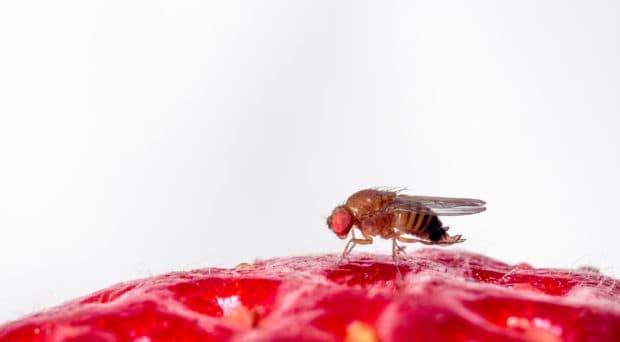
A low-carb, high-protein diet gave female fruit flies an edge against a deadly natural bacterium when temperatures climbed, turning a familiar keto question into something stranger and more interesting: what happens when nutrition, infection and heat stress collide at the same time?
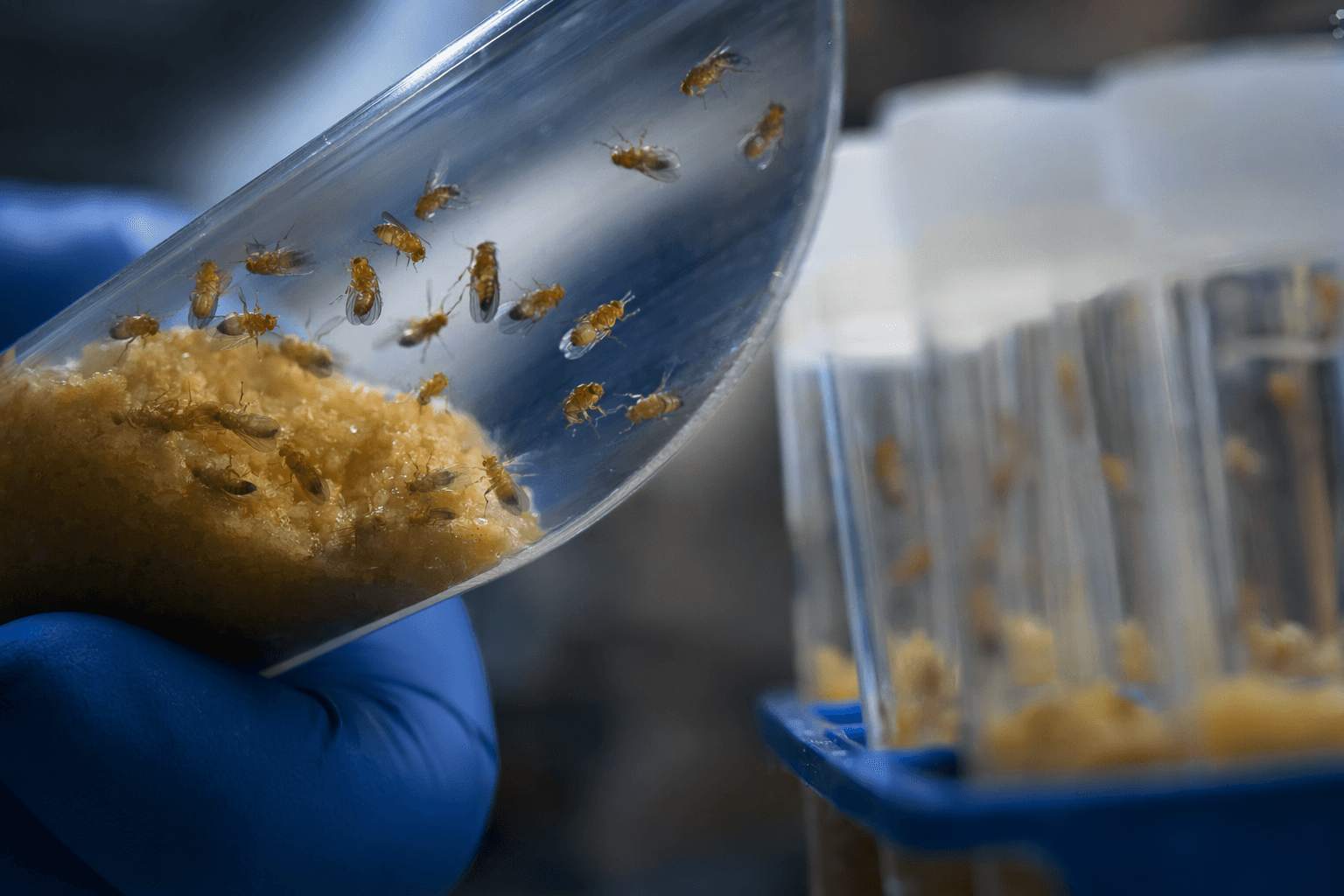
The study, Diet impacts the effects of thermal stress on infection outcomes, came from Biswajit Shit, Selah Makinishi, Tanmay Singh and Imroze Khan at Ashoka University in Sonepat, Haryana, India. Published in BMC Ecology and Evolution on April 2, 2026, it tested Drosophila melanogaster raised from development through early adulthood on low-, regular- or high-carbohydrate diets, then infected them with Providencia rettgeri at 25 C and 29 C.
The pattern was clear in virgin flies. Those on the low-carbohydrate diet showed improved post-infection survival and greater resilience to pathogen burden than flies fed regular or high-carbohydrate diets. That survival advantage disappeared in mated flies, a reminder that mating status mattered as much as macronutrient mix. Temperature stress also hit unevenly: survival dropped only in flies on the regular diet, while the low-carb and high-carb groups did not show the same temperature effect.
The paper adds a useful wrinkle for anyone used to thinking about low-carb eating only in terms of weight, ketosis or blood sugar. In these flies, the lower-carb diet was linked to greater reproductive output at standard temperatures, while high-carbohydrate diets improved starvation resistance. The bacterial loads were similar across groups, suggesting the low-carb advantage came from better tolerance of infection rather than a simple ability to kill more bacteria.
That climate angle is what makes the work stand out. The paper argues that warming environments can change not only the heat organisms face, but also the nutritional quality of the food resources they rely on, reshaping immunity and disease vulnerability in the process. It is a message that fits neatly into a broader conversation about how metabolic stress and environmental stress can stack on top of each other.

The result also lands in a field that already knows sugar matters. A 2024 PLOS Pathogens study found that adult Drosophila melanogaster fed high-sugar diets became more susceptible to Providencia rettgeri and Serratia marcescens. Put together, the studies suggest that in fruit flies, the balance of carbohydrate and protein can help decide whether infection, starvation or heat stress wins the day, and that the keto-adjacent lesson is about physiology under pressure, not human meal planning.
Know something we missed? Have a correction or additional information?
Submit a Tip