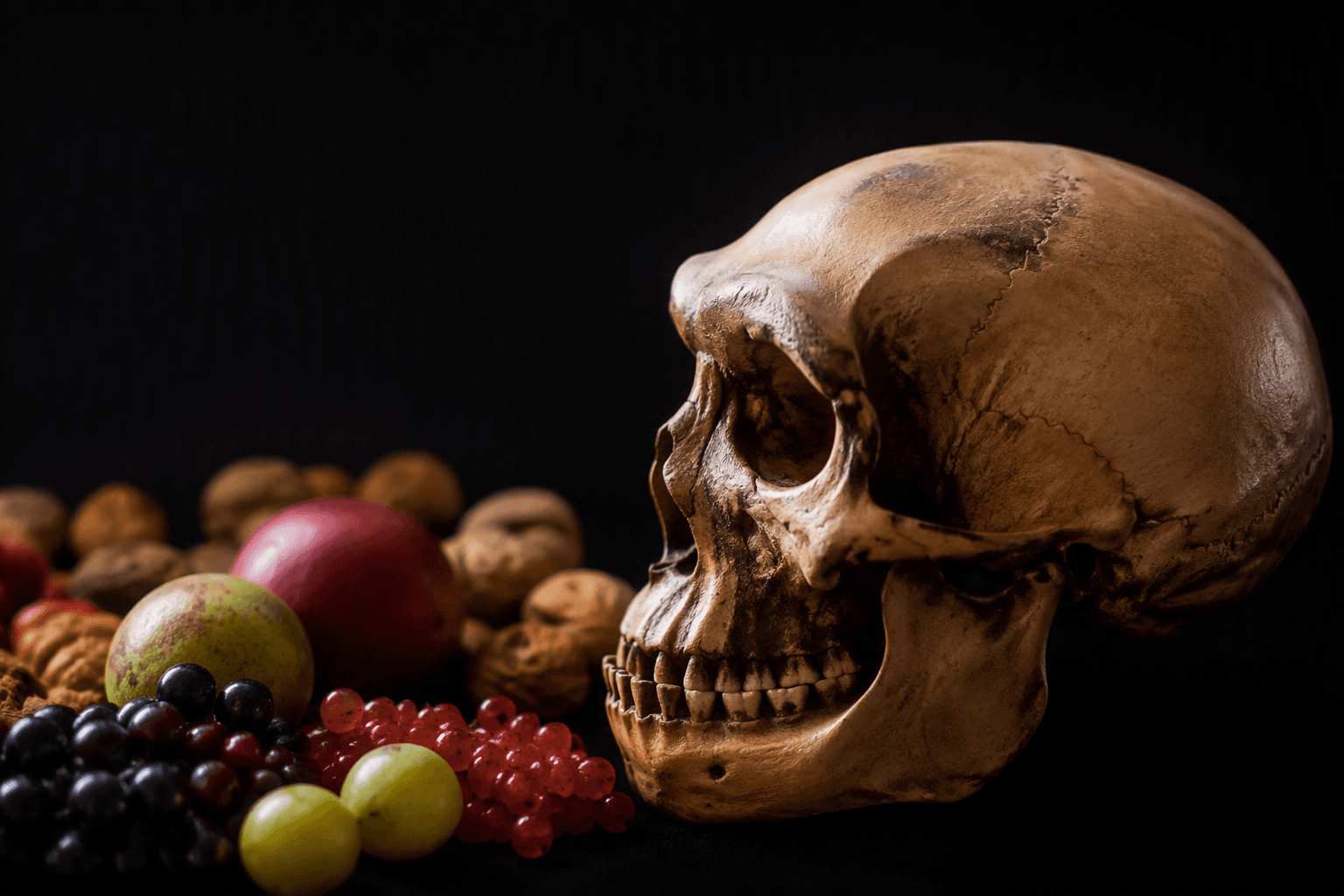
A Science paper titled “A central role for dietary sugars in human evolution,” DOI 10.1126/science.aed8437, pushed back on the tidy keto origin story by arguing that fruit, honey and other naturally sweet foods may have helped power the human brain for about 4 million years. Built around Jennie Brand-Miller’s glucose demand model, the study says the old “our ancestors were basically carnivores” line is far too simple.
The paper’s central argument is that the brain’s glucose needs may have been met more consistently by naturally occurring sugars than by meat alone. It also says starch-rich foods such as tubers and grains likely came too late, after cooking made them easier to use, to explain the earliest stages of brain enlargement. That is the part keto readers should notice: the study is not just giving fruit a cameo, it is putting carbohydrates back at the center of the human brain story.
The model traces human glucose needs back roughly 4 million years, a stretch that matters because it spans the period when brains were getting bigger and energy demands were climbing. University of Sydney materials described the work as showing sugars played a bigger role in brain evolution than previously thought, while a University of Glasgow news item framed it as evidence that sugars influenced the evolution of our brains. Xinhua’s coverage added the same basic point, saying natural sugars may have supplied the energy needed to support growing brains before cooking.
For keto, the useful takeaway is narrower than the headline chatter. This study does not test appetite control, blood sugar management or weight loss, the reasons many people still use keto now. It also does not erase the clinical side of the diet, where research continues to focus on seizure control, brain energy and cognition rather than prehistoric authenticity. What it does weaken is the old sales pitch that a very low-carb way of eating is automatically more natural because human brains supposedly ran on meat and ketosis from the start.
That is the myth this paper lands on hardest. The new evolutionary picture is messier, more sugar-driven and less friendly to grand ancestral claims, even if it leaves the modern keto question exactly where it should be judged: on real-world results, not on a romanticized hunt for caveman macros.
Every story on Keto Diet Magazine is assembled by an automated editorial system that works from verified research, official records, and credible reporting, then clears automated accuracy and moderation checks before it goes live. The standards that system follows are set and overseen by the people who run the publication. Read our full editorial policy.
Did this article answer your question?