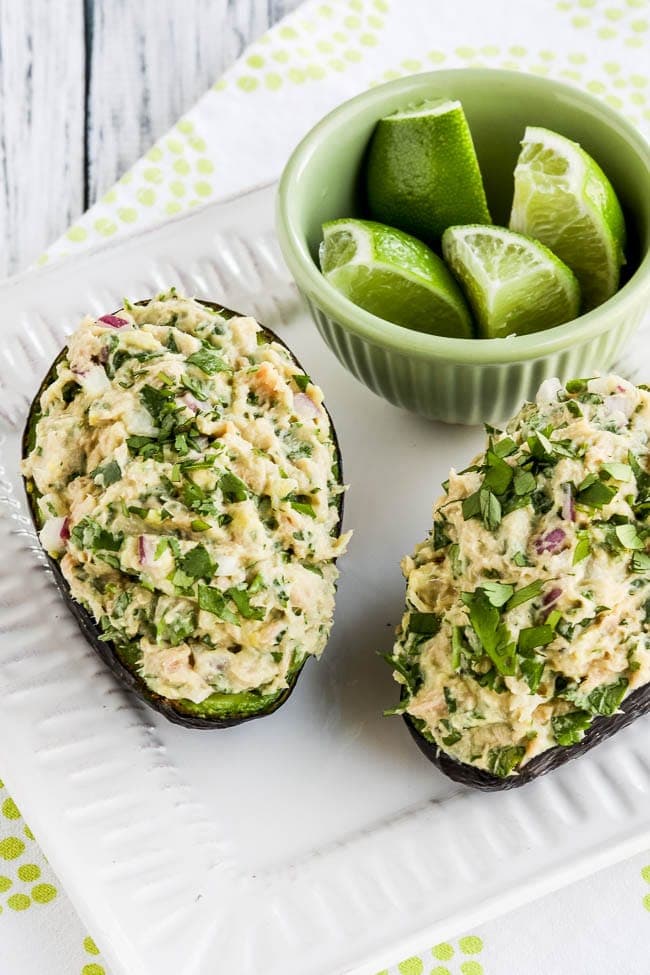
Plain chicken, tuna, eggs and lettuce turn into actual lunch with a good jar of mayonnaise. It does it without forcing you to rely on bottled condiments loaded with the ingredients you are trying to avoid.
Why mayo becomes a keto staple
Mayo sits at the center of everyday keto cooking because it shows up everywhere once you start looking for it. It binds tuna salad, softens chicken salad, anchors dipping sauces and makes lettuce wraps feel like a real meal instead of a compromise. It also works in deviled eggs, quick sauces for grilled meat and the kind of improvised lunch bowls that keep the fridge from becoming a graveyard of sad leftovers.
You are not just swapping out bread or pasta, you are rebuilding the pantry around ingredients you can trust. When you can make mayonnaise at home, you get control over the oil, the sweetness, the texture and the hidden sugars that often sneak into store-bought versions.
Why Duke’s is the benchmark people reach for
Duke’s is the obvious reference point here because it has built its reputation on a simple, old-school profile. Duke’s says its Real Mayonnaise has been made with Eugenia Duke’s original recipe since 1917, and the ingredient list stays short: soybean oil, eggs, water, distilled and cider vinegar, salt, oleoresin paprika, natural flavors and calcium disodium EDTA. Duke’s says no emulsifying agents other than eggs are allowed in real mayonnaise, which is part of the appeal for anyone who likes the idea of mayo tasting like mayo instead of like a chemistry set.
That ingredient discipline is a big reason Duke’s works so well as a flavor target in keto kitchens. Duke’s calls its mayo sugar-free and says it uses more egg yolks than other mayonnaise brands, which helps explain the rich, familiar texture so many people associate with Southern cooking and keto-friendly lunches. Duke’s also markets the product as a fit for sandwiches, salads and even baking.
How homemade mayo comes together
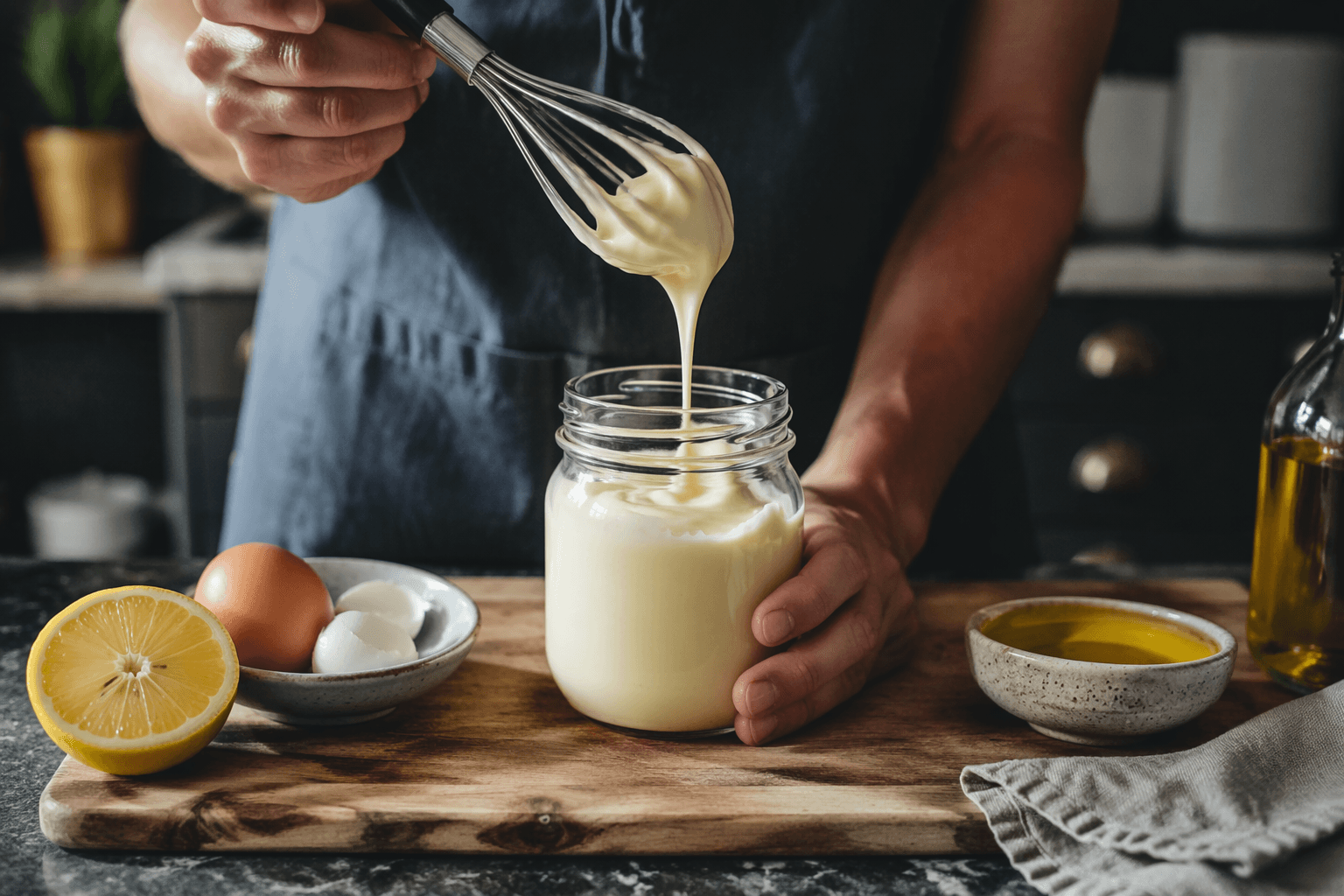
The American Heart Association’s homemade mayonnaise recipe keeps the method straightforward: egg, egg yolk, mustard and lemon juice get blended first, then oil is added slowly until the mixture turns into an emulsion. That slow addition is the whole game. Rush the oil and you are not building a glossy mayo, you are gambling on a broken sauce that never quite comes together.
That is the main place people get tripped up, and it is usually because they want speed more than stability. Mayo rewards patience in very small doses, the kind where you drizzle instead of dump and keep mixing until the emulsion holds. If the texture stays thin or separates, the fix is usually in the pace, not in some exotic ingredient.
The same American Heart Association guidance also makes the food-safety tradeoff clear. Homemade mayo should go into a clean, covered glass jar, stay refrigerated and be used within 2 days.
What homemade mayo fixes that store-bought often does not
The reason keto cooks keep coming back to homemade mayo is simple: it solves the stuff that annoys you in packaged condiments. You can choose the oil, skip the sugar and avoid the extra ingredients you do not want in a low-carb routine. If you are the kind of cook who reads labels for hidden carbs, seed oils or sweeteners, homemade mayo removes a lot of the second-guessing.
It also gives you a built-in way to adjust richness. Mixing mayo with Greek yogurt can reduce saturated fat and calories, which is useful if you want a lighter spread without abandoning the creamy texture entirely.
When the effort is actually worth it
Homemade mayo is worth the time when you know you will use it across several meals, not just for one sandwich. The payoff shows up fast if you are making tuna bowls, chicken salad, deviled eggs, lettuce wraps or quick dipping sauces all week. Once that jar is in the fridge, a lot of other keto food stops feeling improvised.
The calorie count is the part that keeps mayonnaise honest. A tablespoon of mayonnaise has 57 calories, and the American Heart Association treats 1 tablespoon of low-fat mayonnaise as a serving of fats and oils.
Every story on Keto Diet Magazine is assembled by an automated editorial system that works from verified research, official records, and credible reporting, then clears automated accuracy and moderation checks before it goes live. The standards that system follows are set and overseen by the people who run the publication. Read our full editorial policy.
Did this article answer your question?