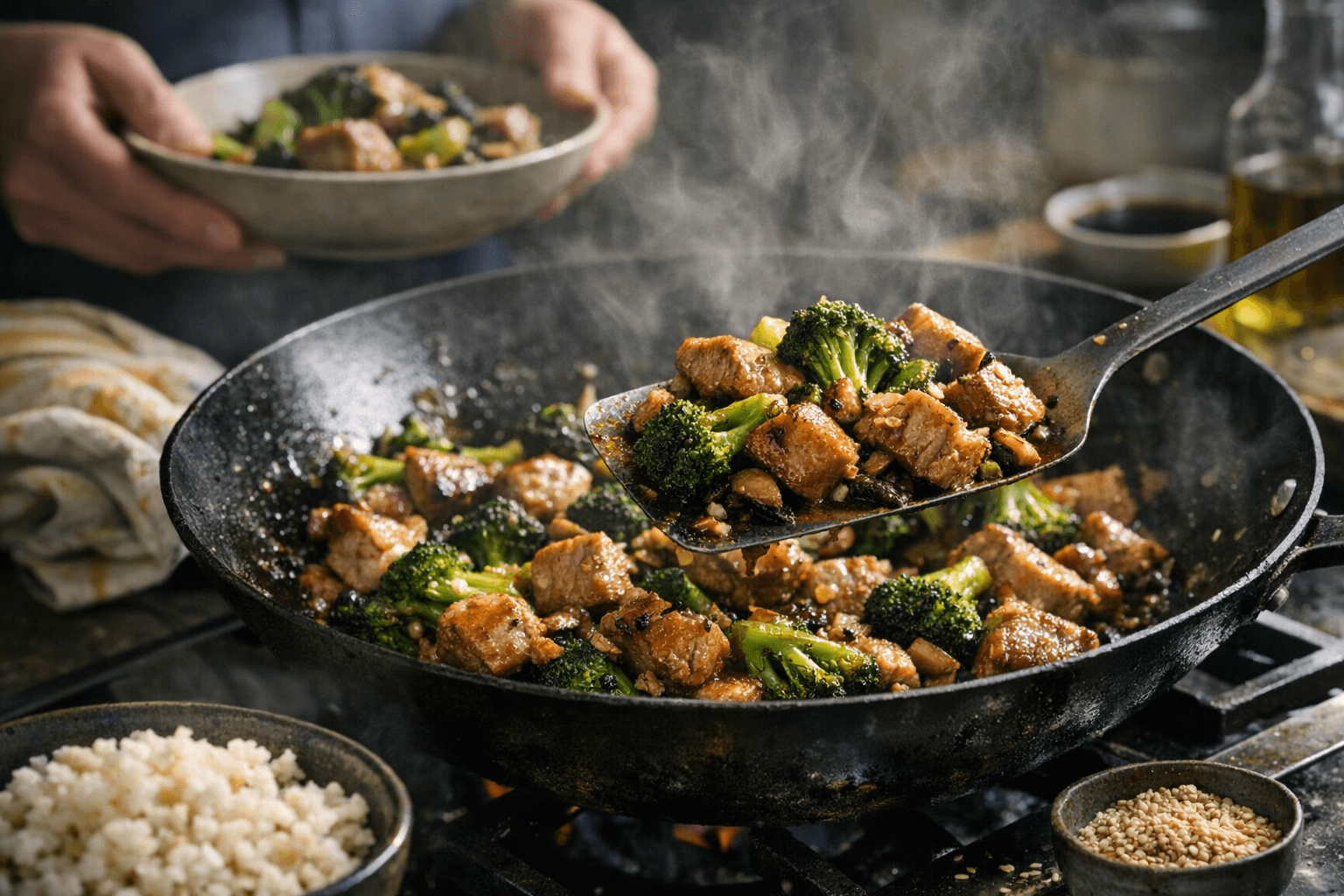
Produce subsidy fails to improve diabetes outcomes in randomized trial
A monthly produce card improved access, but not HbA1c, showing food support alone may not move diabetes fast enough.
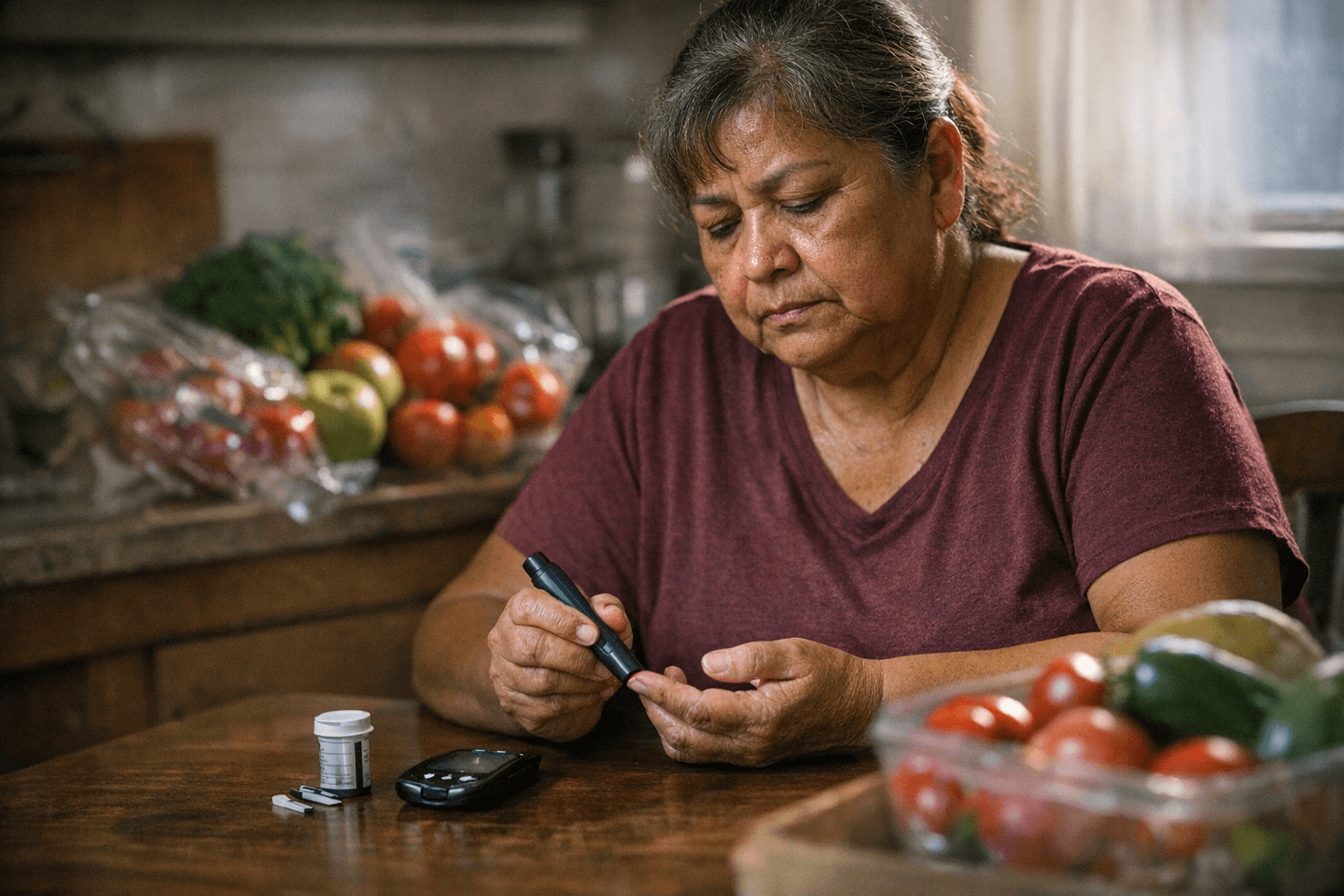
A subsidy can fill a cart, but it cannot guarantee better numbers
A monthly produce card sounds like an easy win for diabetes care, but this trial says otherwise. In 2,155 adults with type 2 diabetes at risk for food insecurity, an $80-a-month subsidy for fruits, vegetables, and legumes did not produce meaningful improvements in HbA1c or other cardiometabolic outcomes.
What the trial tested
This was a two-arm, pragmatic randomized clinical trial run in an integrated academic health system in the southeastern United States, including North Carolina. Participants were recruited from June to August 2023 and followed for 12 months, with data analysis running from October 2024 to April 2025. The Duke University School of Medicine team, working through Duke University Health System, built the intervention around a monthly debit card that could be used to buy eligible fresh, frozen, or canned fruits, vegetables, and legumes at grocery retailers.
That design matters because it was not a lab-style nutrition experiment. It was a real-world test of whether food support, delivered the way many health systems now imagine it, can move the markers that matter most in diabetes care. Both groups also received diabetes self-management educational materials, so the comparison was not subsidy versus nothing. It was subsidy plus education versus education alone.
The glycemic result was the headline, and it was not flattering
The adjusted between-arm HbA1c difference favored usual care by 0.20 percentage points, with a 95% confidence interval from 0.05 to 0.35. In plain English, the group that did not get the produce subsidy ended up slightly better on blood sugar control. The study also found no clinically significant differences in body mass index, blood pressure, emergency department visits, or inpatient visits.
That is the hard part of this story for anyone hoping food access alone can fix diabetes. You can improve the grocery basket, but if the rest of the diet still carries a heavy glucose load, the meter may not budge much. For keto readers, that is familiar territory: better ingredients are nice, but the carbohydrate structure of the whole day is what usually decides whether glucose comes down.
Why this lands differently in a keto conversation
This trial is not a verdict against vegetables. It is a reminder that produce access is not the same thing as carbohydrate reduction. A card that buys more spinach, broccoli, or berries may improve diet quality, but it does not automatically change what fills the rest of the plate, how often someone eats, or how consistently they can stick to a lower-glucose pattern.
That is where adherence becomes the real story. A person can have better access to fruits and vegetables and still be stuck with a diet that is too carb-heavy for meaningful HbA1c improvement. In keto terms, the intervention addressed shopping access, not metabolic strategy. The trial also included legumes, which makes sense for broad nutrition programs, but legumes are still part of a different conversation than strict low-carb eating.
What the trial does not prove
The result does not mean produce prescriptions are useless. It means a $80 monthly subsidy, on its own, was not enough to shift the outcomes measured here over 12 months. Because both arms got diabetes self-management educational materials, the trial may also have narrowed the gap between groups before the debit card even entered the picture.
It also does not settle every version of food-as-medicine policy. A more targeted program, a larger benefit, tighter follow-up, or pairing the subsidy with individualized nutrition coaching might perform differently. But this study is a sober check on the popular assumption that improving access to healthy food automatically translates into better glycemic control.
Why health systems keep trying these programs anyway
Produce prescription programs are growing in popularity among health systems, payers, and public health agencies, even though evidence for metabolic benefit has been limited. That is part of why this trial matters beyond the diabetes clinic. Duke researchers said the findings offer clues for designing future programs that are more targeted and effective, which is the right takeaway if the goal is to move from good intentions to real outcomes.
The broader food-is-medicine debate often gets flattened into a false choice between nutrition support and medical care. This trial argues for something more realistic: food support may be worthwhile, but it is not a substitute for the metabolic leverage that comes from changing carbohydrate exposure, improving adherence, or using other proven tools.
Why low-carb and fasting keep coming up
The study has also drawn attention from Dr. David Ludwig and Dr. Jason Fung, who highlighted its limitations and pointed toward low-carb or fasting approaches as stronger options for diabetes management. That will sound familiar to anyone in the keto world who has watched HbA1c improve when the daily glucose load actually drops, rather than just when the shopping list gets cleaner.
The practical lesson is not that produce is the enemy. It is that diabetes is usually more complicated than a subsidy can solve. Food access helps, but glucose control still depends on the full pattern: what you eat, how consistently you eat it, whether carbs are reduced enough to matter, and whether the plan is simple enough to follow for more than a few weeks.
The bottom line
This randomized trial adds an important dose of realism to the food-as-medicine conversation. A produce subsidy can make better food easier to buy, and that is worth doing, but it did not move HbA1c, blood pressure, weight, or healthcare use in a meaningful way here. For keto readers, that is the key tension in one clean lesson: better access is helpful, but metabolic change usually requires a more direct shift in carb intake and day-to-day adherence than a grocery benefit alone can deliver.
Know something we missed? Have a correction or additional information?
Submit a Tip