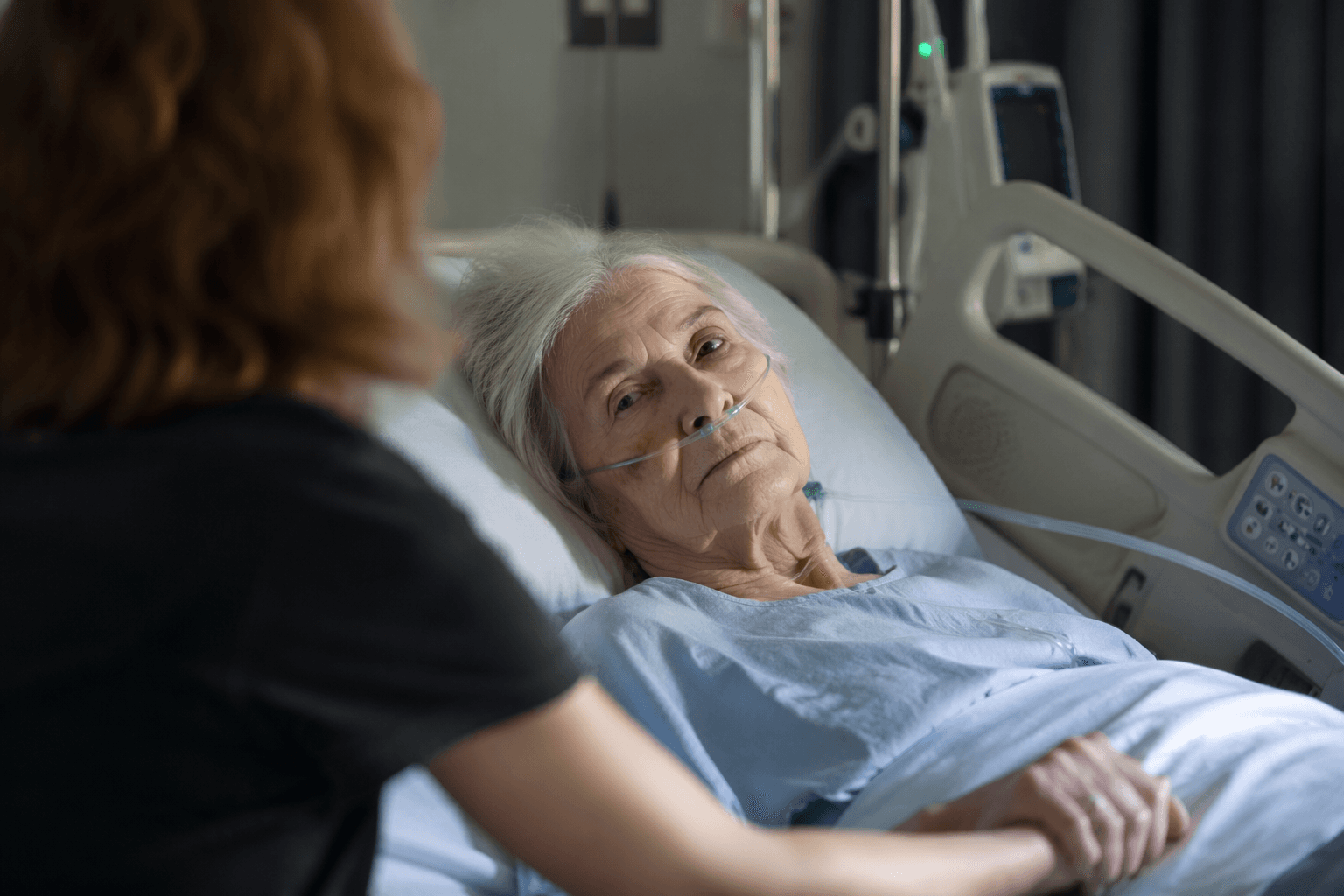
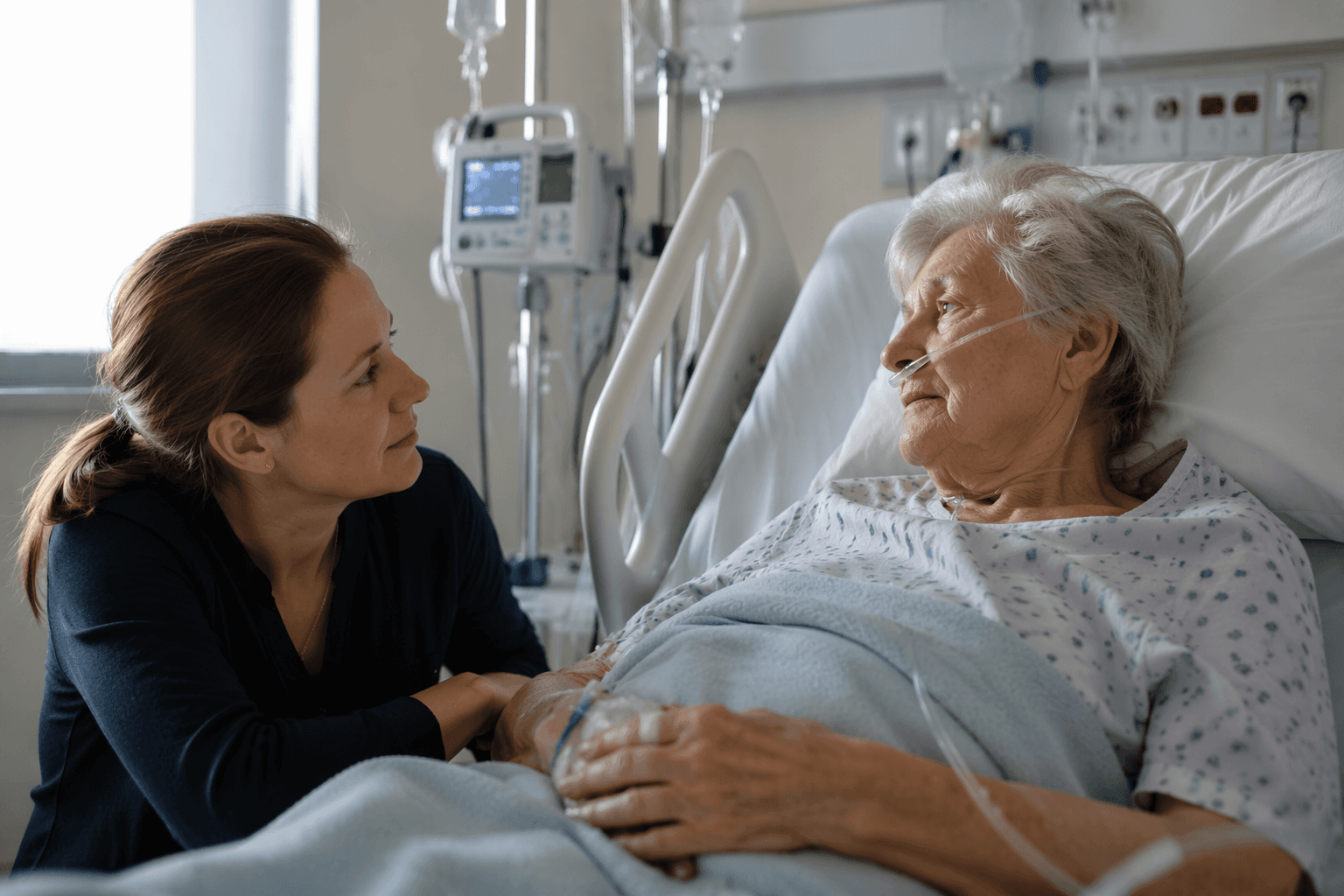
The University of Alabama at Birmingham has launched an NIH-funded study to test whether a ketogenic diet can help older adults hospitalized with pneumonia hold on to muscle mass, strength and physical function. The idea grew out of Robert Mankowski’s family experience in Poland, where his 90-year-old grandmother was hospitalized with pneumonia, spent much of her time in bed and lost body weight and function quickly.
This is not a weight-loss project. Mankowski’s goal is the opposite: provide adequate nutrition during an acute illness while helping the body better preserve muscle and function through the hospital stay. UAB said the work is aimed at improving recovery and independence after discharge, a sharp contrast to the usual keto conversation about dropping pounds and chasing scale changes.
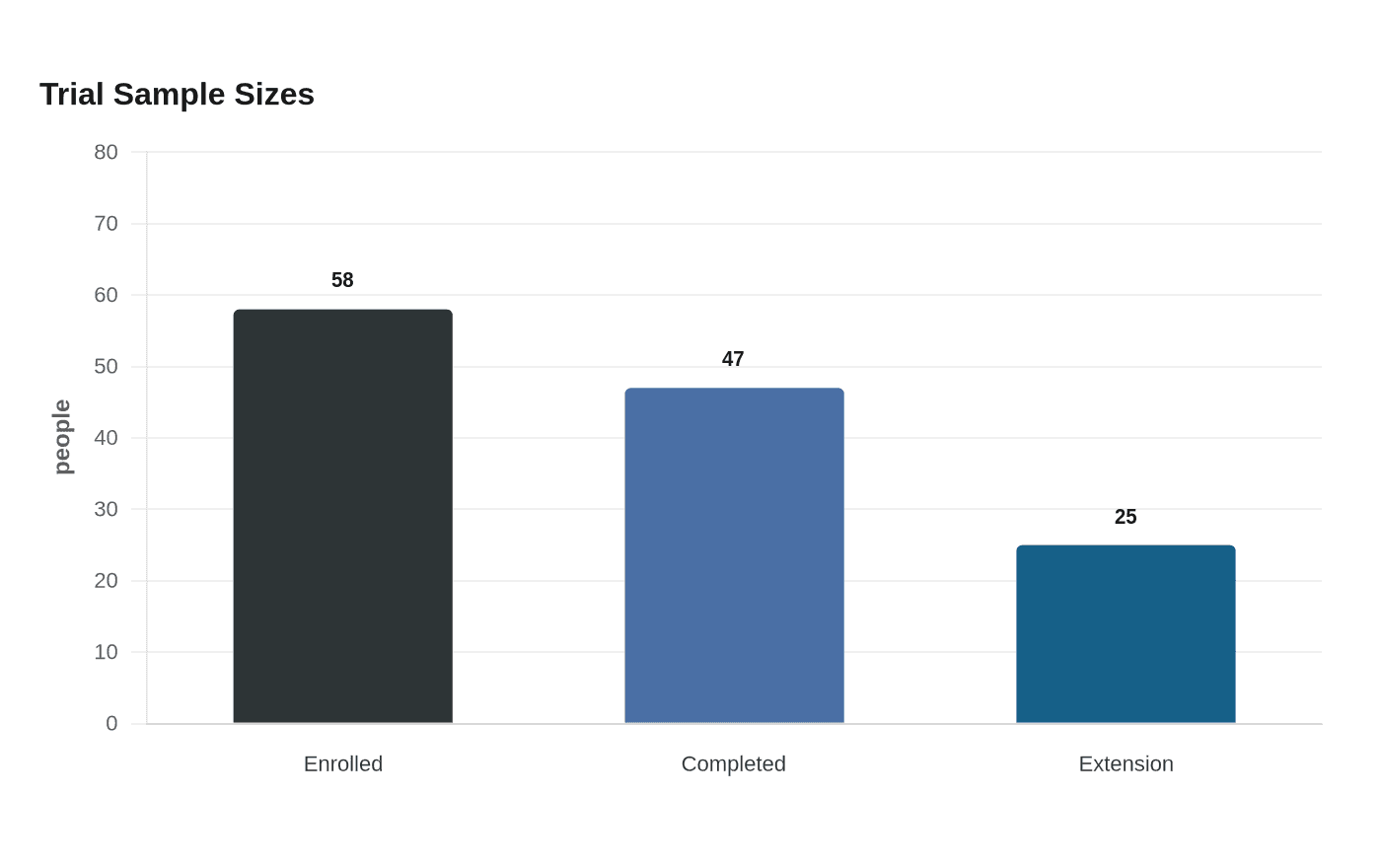
ClinicalTrials.gov lists the project, called Ketogenic Approach to Restore Muscle in Older Patients With Community-Acquired Pneumonia, as a double-blinded pilot randomized clinical trial. The study will enroll 30 hospitalized adults older than 55 with bacterial community-acquired pneumonia, with 15 assigned to a ketogenic feeding plan and 15 to standard hospital feeding. The intervention is a 10-day oral ketogenic diet, and the team will evaluate whether the approach is feasible, safe and potentially beneficial for muscle preservation, strength and physical function.
That focus matters because muscle loss in older adults is not just a lab finding or a gym problem. It is tied to frailty, falls, disability, nursing home placement and mortality, all of which can follow a hospital stay when illness strips away strength faster than recovery can replace it. A systematic review found hospital sarcopenia prevalence in older inpatients ranged from 14.1% to 55%, depending on the criteria used.
The broader pneumonia burden is also large. The Centers for Disease Control and Prevention’s FastStats page counted 41,627 pneumonia deaths in the United States in 2024 and 1.2 million emergency department visits for pneumonia in 2022. The CDC also says older adults are especially vulnerable to severe illness from infections, including flu and pneumonia.
Mankowski’s broader research at UAB centers on preserving physical and cardiovascular function in older age and on long-term outcomes after critical illness, including sepsis. If this pilot shows keto can be delivered safely in the hospital and protect function during pneumonia, it could push keto further into medical nutrition therapy, where the stakes are measured not in pounds lost but in strength kept and independence regained.
Every story on Keto Diet Magazine is assembled by an automated editorial system that works from verified research, official records, and credible reporting, then clears automated accuracy and moderation checks before it goes live. The standards that system follows are set and overseen by the people who run the publication. Read our full editorial policy.
Did this article answer your question?