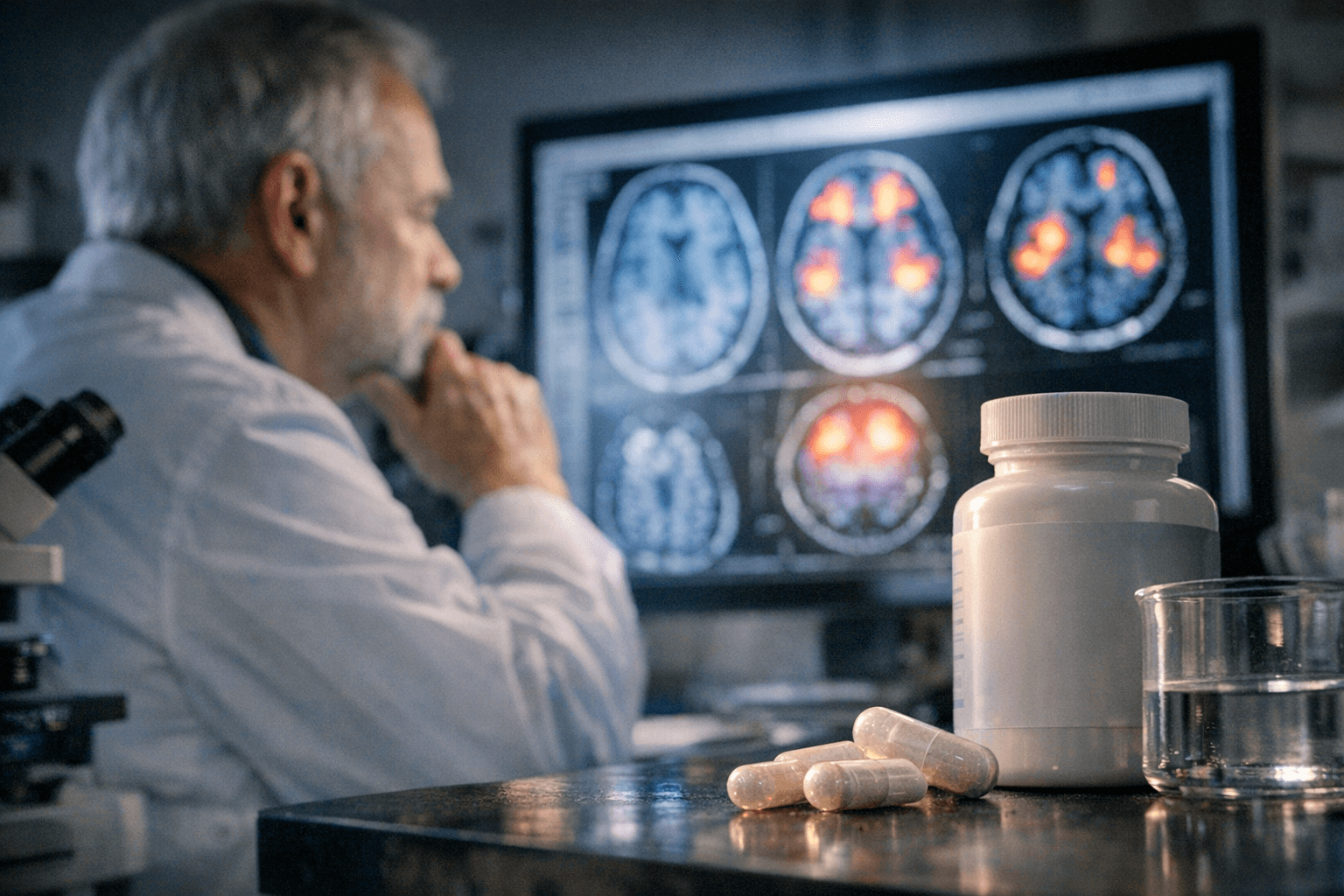
A new study from the Buck Institute for Research on Aging and the University of California, San Diego adds a sharp twist to the keto conversation: beta-hydroxybutyrate, or BHB, appears to do more than feed the brain. In a 2026 preprint with a PubMed record, the team reported that BHB directly improved neuronal Tau proteostasis and reduced Tau aggregation and secretion, a finding that could matter for Alzheimer’s disease and other tauopathies.
Tau is the protein that turns dangerous when it misfolds and clumps inside neurons. That buildup is one of the hallmarks researchers track in Alzheimer’s research, so anything that changes Tau handling inside the brain gets attention fast. What makes this paper stand out is the mechanism. The authors described the effect as ketolysis-independent, meaning BHB’s protective action was not explained simply by the brain burning ketones for energy.
The study, titled Ketone body β-hydroxybutyrate restores neuronal Tau proteostasis via ketolysis-independent mechanism, showed that a BHB precursor diet was enough to improve Tau pathology in a tauopathy mouse model. Across in vitro, ex vivo and in vivo systems, BHB consistently boosted Tau proteostasis and reduced toxic Tau buildup. That puts BHB in a different lane from the old “ketones are just fuel” framing that many keto followers know well.
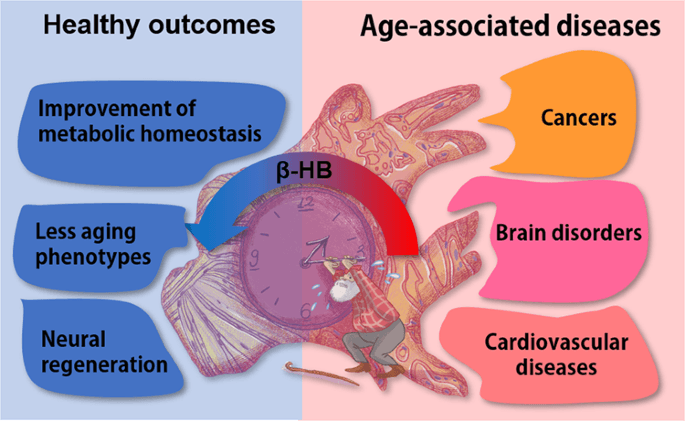
The bigger context is that ketosis has already been linked to brain-health interest through ketogenic diets, caloric restriction, intermittent fasting and exercise. This work builds on Buck Institute research from 2024, published in Cell Chemical Biology, which identified beta-hydroxybutyrate as a metabolic regulator of proteostasis in the aged and Alzheimer disease brain. Earlier Buck findings also showed ketone bodies could help clear misfolded proteins in mouse models of aging and Alzheimer’s disease.
The Buck Institute’s Newman Lab, based in Novato, California, studies beta-hydroxybutyrate and how fasting, ketogenic diet feeding and exercise affect the aging brain and age-related disease. John Newman, Mitsunori Nomura and Sid Madhavan are among the names tied to that research stream, which has steadily pushed ketones beyond the narrow idea of alternate fuel.
For the keto community, the takeaway is promising but still bounded by the data. This is a mechanistic study, not a human clinical trial, so it does not justify claiming keto prevents or treats Alzheimer’s in people. What it does show is that BHB may influence protein quality control in the brain in a way that goes beyond calories, ketones or simple fuel use, and that is a much more interesting story.
Every story on Keto Diet Magazine is assembled by an automated editorial system that works from verified research, official records, and credible reporting, then clears automated accuracy and moderation checks before it goes live. The standards that system follows are set and overseen by the people who run the publication. Read our full editorial policy.
Did this article answer your question?