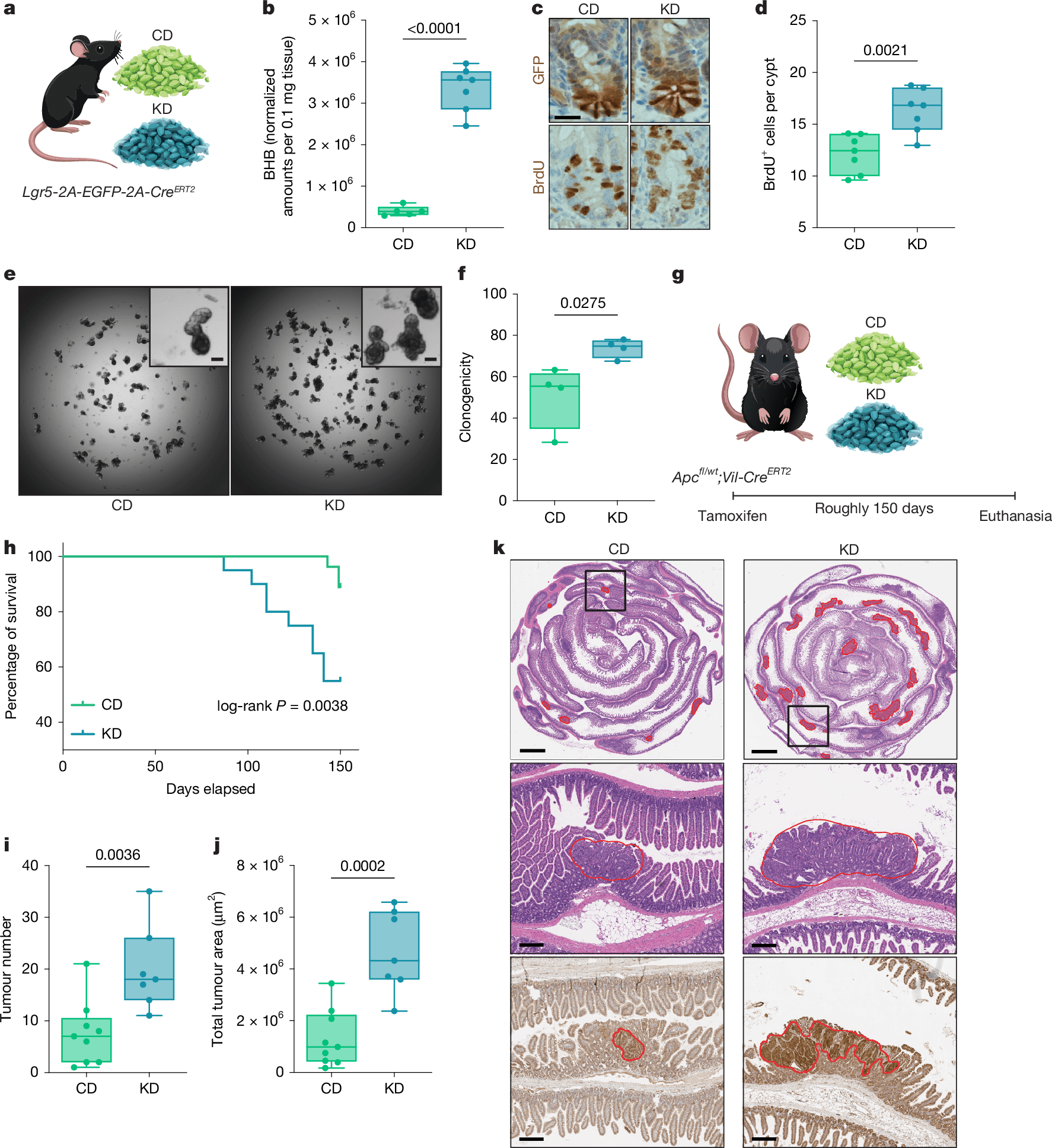
MIT researchers found that a ketogenic diet increased small-intestinal tumor growth in mice already genetically predisposed to intestinal cancer. The paper, published in Nature on July 15, 2026, is titled “Ketogenic diet mediates intestinal tumorigenesis through lipids not ketones,” and it adds a sharp caution for keto followers who have seen the diet discussed as both a metabolic tool and a possible anti-cancer strategy.
The study was led by Omer H. Yilmaz of MIT’s Koch Institute for Integrative Cancer Research and MIT Stem Cell Initiative, with postdocs Jessica Shay and Fangtao Chi as the lead authors. The team compared mice on a ketogenic diet with mice on a control diet and a high-fat, high-calorie diet. The ketogenic group developed more tumors in the small intestine than the control group, even though the diet still pushed the animals toward burning fat and producing ketone bodies such as beta-hydroxybutyrate and acetoacetate.
That distinction matters because the new work points away from ketones as the main driver. The MIT team concluded that the small-intestinal effect was driven by dietary lipids rather than ketone bodies, narrowing an idea that had gained traction in earlier cancer research. In 2022, another Nature study reported that ketogenic diet consumption reduced colorectal cancer growth in mice and that beta-hydroxybutyrate mediated that effect. Put side by side, the two results show why keto cannot be treated as a single, uniform intervention across tissues.
Yilmaz has been pressing that theme in his broader research. In MIT’s 2024 fasting study, fasting boosted intestinal stem-cell regeneration but also increased cancer risk in mice with preexisting cancer mutations during refeeding. His point in that work was blunt: “Having more stem cell activity is good for regeneration, but too much of a good thing over time can have less favorable consequences.” The new ketogenic-diet paper reinforces that same tissue-specific warning.
For keto readers, the safest takeaway is not that the diet is broadly dangerous, but that promising findings in one disease setting do not automatically carry over to another. That is especially true in the small intestine, where cancer is rarer than cancers of the colon and stomach and often begins in the duodenum, according to the National Cancer Institute. The concern is even more relevant for people with familial adenomatous polyposis, a hereditary APC-mutation syndrome that can lead to polyps in the small intestine and a higher risk of tumors and cancers elsewhere in the digestive tract. In keto, as in the rest of metabolism research, context is doing a lot of the work.
Every story on Keto Diet Magazine is assembled by an automated editorial system that works from verified research, official records, and credible reporting, then clears automated accuracy and moderation checks before it goes live. The standards that system follows are set and overseen by the people who run the publication. Read our full editorial policy.
Did this article answer your question?