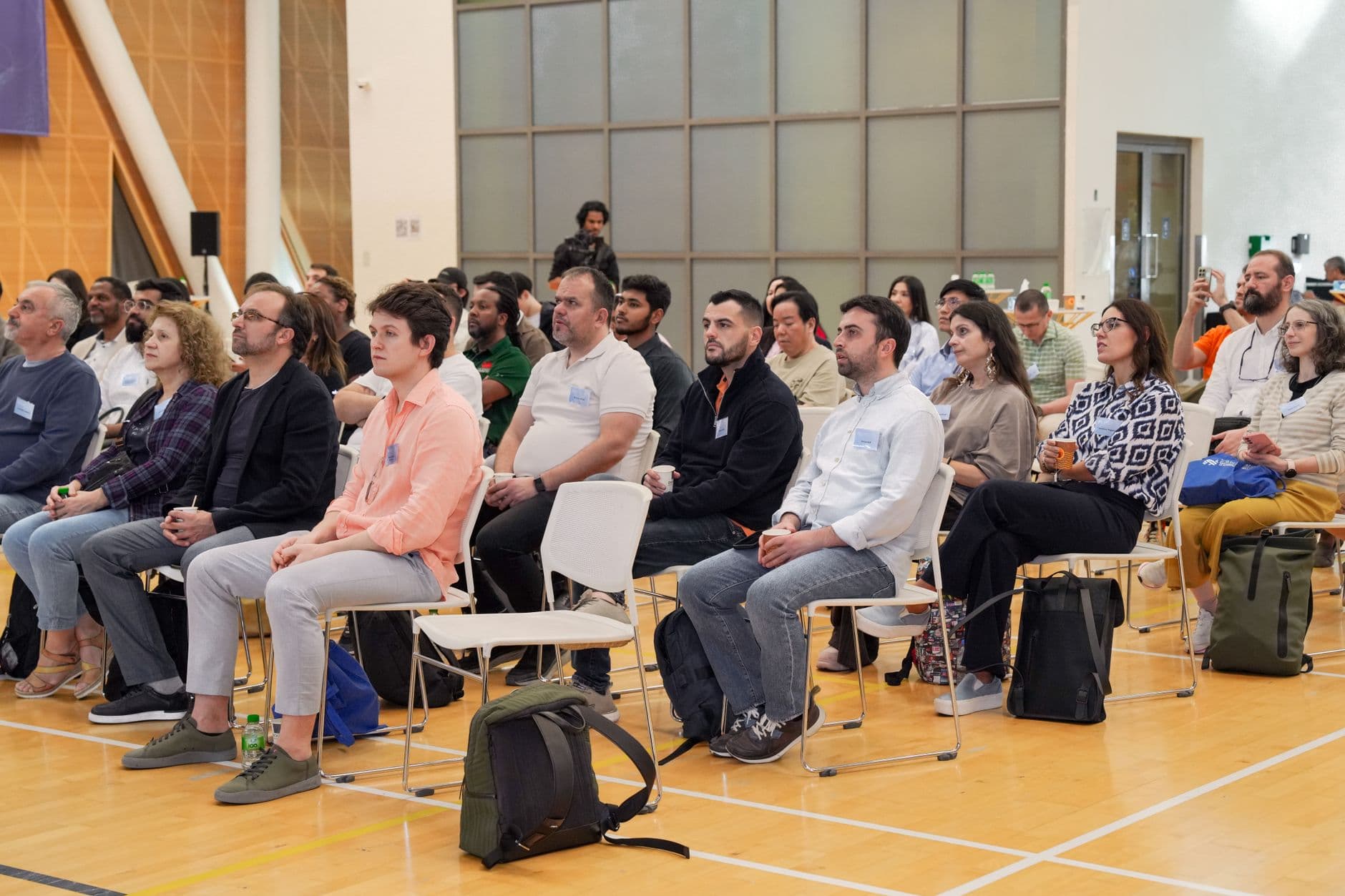
The 2026 GLUT1 Deficiency Scientific and Family Summit brought 380 people to Asheville, North Carolina, from July 13 to July 15, turning a rare-disease meeting into a live lesson in how therapeutic keto works outside a textbook. The GLUT1 Deficiency Foundation said general registration closed after the event reached capacity, and the turnout topped its 2024 Dallas summit and 2022 San Diego summit.
That scale mattered because this was the foundation’s 12th community convening, built around the realities of a condition where a medical ketogenic diet is standard care. The program mixed family sessions, a clinical day, and separate family and scientific tracks, with goals that included improving patient care, empowering families, amplifying the patient voice in research, and fostering cross-disciplinary collaborations. For keto readers, the takeaway was plain: in GLUT1 deficiency, ketosis is not a wellness choice but a treatment that has to be managed, monitored, and defended every day.
The schedule reflected that balance. Alongside interactive work on ketogenic diets, the summit program included Genetics 101, GLUT1 101, Therapy 101, and sessions on disease overview, cognition, speech and language, movements, and seizures. The foundation’s materials say the standard of care for GLUT1 deficiency is a medical ketogenic diet, and GeneReviews notes that ketogenic diet treatment for the disorder was introduced in 1991.

That clinical grounding was matched by a broad speaker list. Confirmed participants included Jörg Klepper, Eric Kossoff, Sandra Ojeda, Juan Pascual, Rodrigo Starosta, Umrao Monani, Valentina De Giorgis, Becky Olson, Ruth Braden, Vikram Jakkamsetti, Toni Pearson, Paul Thornton, and Marisa Armeno. Their presence underscored that the Asheville gathering was not just a support meeting, but a working forum where treatment decisions, research questions, and family experience all sat at the same table.
The setting reinforced that tone. The summit was held at Embassy Suites by Hilton Asheville Downtown, a venue that fit a meeting designed to move between formal presentations and peer support without losing the practical side of rare-disease care. The foundation described Asheville as a smaller, more off-the-beaten-path host city than its earlier Dallas and San Diego gatherings, and said the room block sold out unusually early.
For the keto community, that is the sharpest lesson from Asheville. In GLUT1 deficiency, the ketogenic diet is not an accessory to care; it is the treatment itself, and the summit showed how much work goes into keeping that treatment usable for families while research keeps moving forward.
Every story on Keto Diet Magazine is assembled by an automated editorial system that works from verified research, official records, and credible reporting, then clears automated accuracy and moderation checks before it goes live. The standards that system follows are set and overseen by the people who run the publication. Read our full editorial policy.
Did this article answer your question?