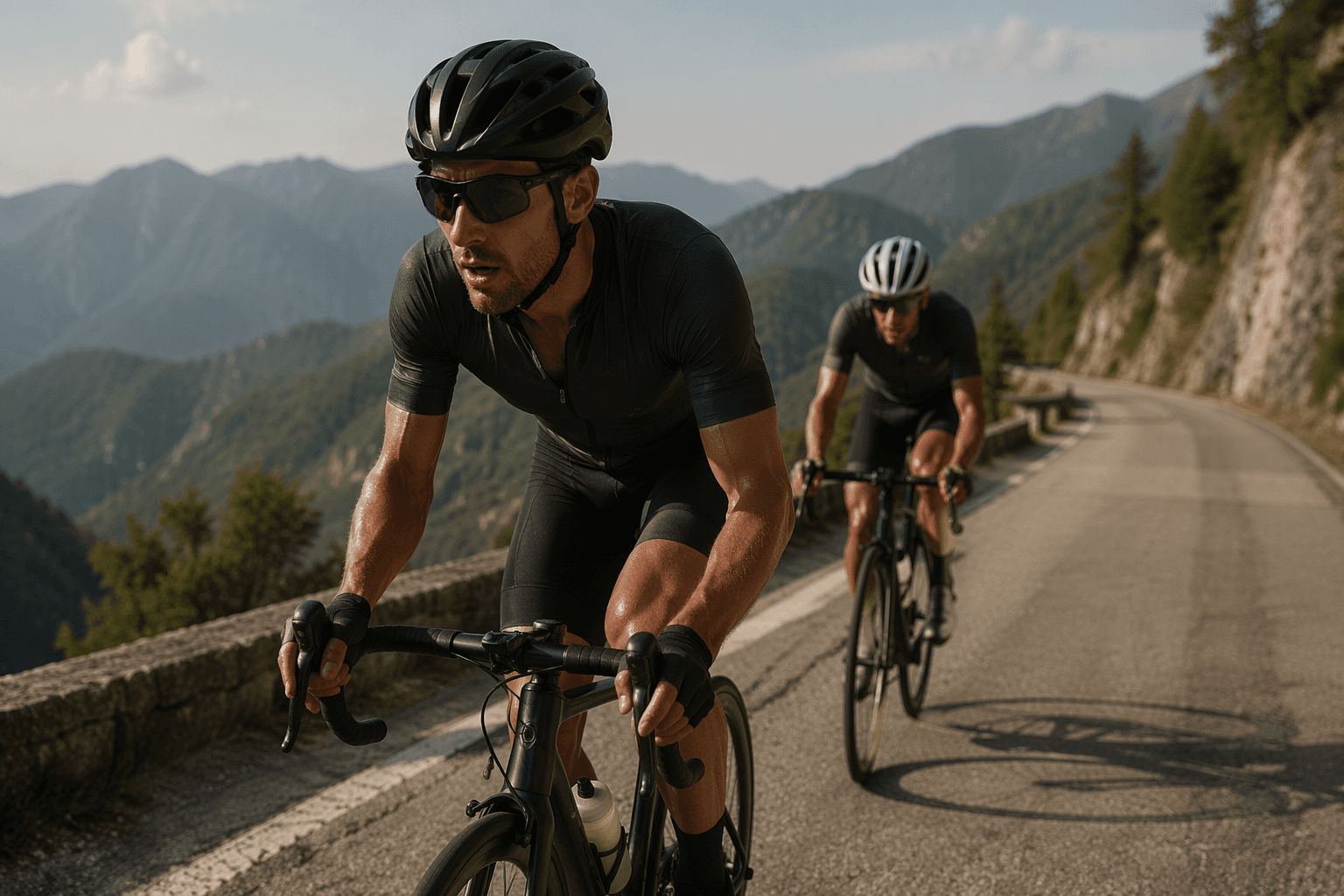
Five well-trained cyclists spent four weeks on a ketogenic plan with less than 20 grams of carbohydrate a day in Stephen D. Phinney’s controlled ward study. They spent a week on a balanced diet first, and their submaximal endurance stayed intact as fat oxidation rose sharply.
Published in Metabolism in August 1983, volume 32, issue 8, pages 769-776, the paper arrived when endurance sports nutrition still leaned hard on carbohydrate loading and high-carb fueling. The study, titled The Human Metabolic Response to Chronic Ketosis Without Caloric Restriction: Preservation of Submaximal Exercise Capability with Reduced Carbohydrate Oxidation, used five well-trained cyclists and held their intake eucaloric throughout, first on a balanced diet providing 35 to 50 kcal per kilogram per day, with about two-thirds of calories from carbohydrate and one-third from fat, then on an isocaloric, isonitrogenous ketogenic diet.
The cyclists had four weeks to adapt before the exercise testing. Carbohydrate oxidation fell, fat became the predominant fuel source, respiratory quotient was about 0.83 before keto and about 0.72 after, and exercise glucose use and muscle glycogen use also dropped markedly. The study did not claim that every athlete can gut through hard efforts on day one of carb restriction. It showed that once adaptation had time to happen, trained cyclists could preserve endurance while shifting heavily toward fat.
The next big test came with Jeff Volek and colleagues’ FASTER study, which compared 20 elite ultra-endurance athletes, 10 on high carbohydrate diets and 10 long-term low-carb athletes who had been eating that way for about 20 months. The low-carb group showed a 2.3-fold higher peak fat oxidation. A 2026 American Journal of Clinical Nutrition review by Timothy D. Noakes and Louise M. Burke keeps current consensus on the side of high carbohydrate availability for endurance performance, even as it cited trials where athletes on different diets often performed similarly on several lab tests and that 10 grams of carbohydrate per hour improved prolonged cycling performance by 22% regardless of diet.
Every story on Keto Diet Magazine is assembled by an automated editorial system that works from verified research, official records, and credible reporting, then clears automated accuracy and moderation checks before it goes live. The standards that system follows are set and overseen by the people who run the publication. Read our full editorial policy.
Did this article answer your question?