Ketogenic therapy starts where the stakes are highest
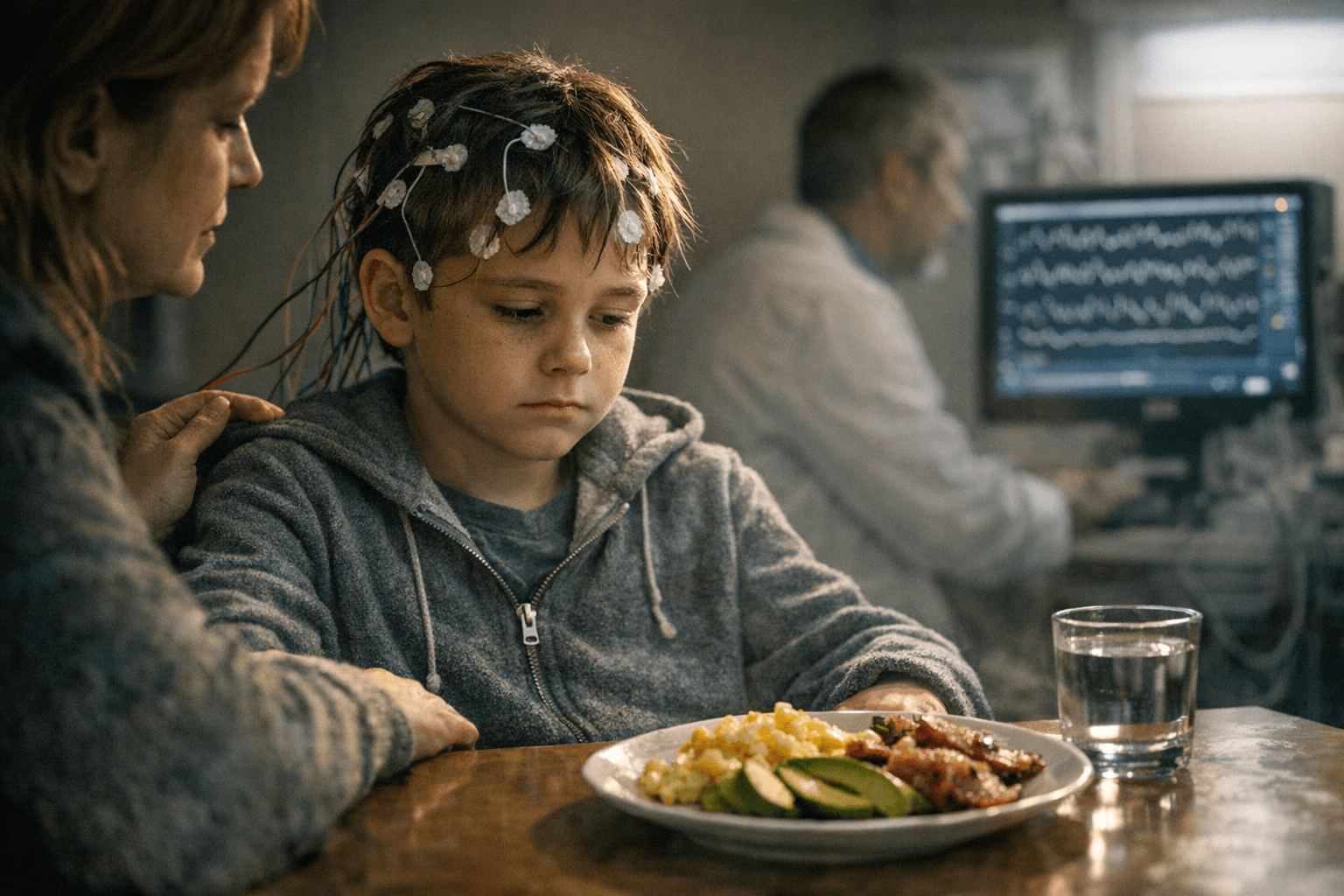
In epilepsy care, keto is not about chasing a lifestyle aesthetic. It is a medical therapy with its clearest footing in drug-resistant epilepsy, where about one-third of people with epilepsy still have seizures despite treatment. The standard threshold is stark: if two appropriately chosen, adequately administered, and tolerated antiseizure medications fail, the condition is considered drug-resistant.
That is the population this new review puts front and center, along with a message that matters to clinics and families alike: ketogenic diet therapy is established, but it is still underused in the very cases where it can matter most. The review also reaches beyond seizure counts alone, taking in new mechanistic work from basic science and the therapeutic targets that may help explain why this approach works at all.
What ketogenic diet therapy actually means in epilepsy
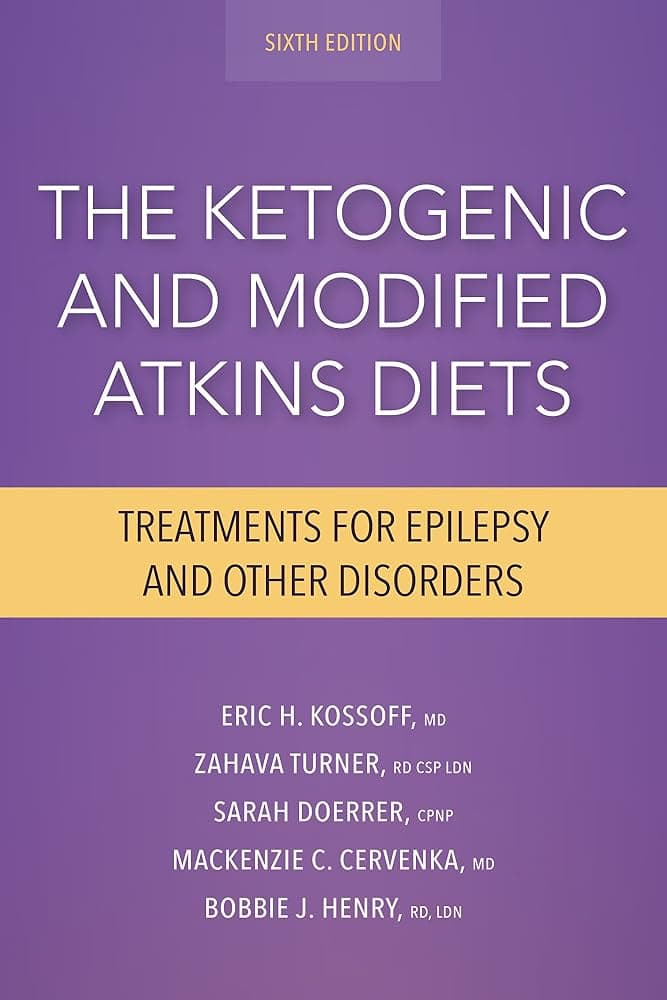
Therapeutic keto is not a single diet but a set of medical nutrition therapies. The four major versions are the classic ketogenic diet, the modified Atkins diet, the medium-chain triglyceride diet, and the low glycemic index treatment. They are related, but they are not interchangeable, and the right choice depends on the person, the epilepsy syndrome, and how much restriction can realistically be maintained.
That individuality is part of why the current guidance is so specific. The International Ketogenic Diet Study Group recommends ketogenic diets in children after two antiseizure drugs have failed, and even earlier for some epilepsy syndromes. That guidance reflects a major shift in thinking: keto is no longer a rescue move of last resort, but a structured option that can enter the conversation earlier when the seizure pattern and clinical picture make sense.
Why the review may change practice
The timing of this review matters because the field has been building toward a more aggressive, earlier use of diet therapy. Recent commentary around the review suggests that starting ketogenic therapy sooner may improve seizure outcomes, especially in children and in people with metabolic epilepsies. It may also help prevent further mitochondrial and neuronal damage, which gives the diet a relevance that goes beyond immediate seizure control.
That is a very different frame from the popular image of keto as a weight-loss tactic. In epilepsy, the goal is not a quick macro split or a brief dietary experiment. The goal is sustained seizure reduction, and the review’s inclusion of mechanistic innovations signals that the therapy is being treated as part of a deeper biological strategy, not just a symptom-management trick.
Why adherence, monitoring, and side effects matter so much
Ketogenic therapy works like medicine because it has to be followed like medicine. The balance of fat, protein, and carbohydrate, or the more flexible limits in the modified approaches, only matters if the plan is actually kept and adjusted over time. That is why monitoring is not optional, and why the side effect discussion is part of the therapy itself rather than an afterthought.
The review’s clinical emphasis makes that practical reality hard to miss. A diet that can change seizures also has to fit into school, work, family routines, growth, and long-term care, especially in children and adults living with chronic epilepsy. The fact that the recommended approach is individualized says a lot on its own: success is not just about choosing keto, but about matching the right form of keto to the right person and following it closely enough to know whether it is helping.
Adults have been left behind, even as the evidence grows
One of the clearest gaps in the field is age. Children have generated far more data than adults, and adult randomized controlled trials remain scarce. That leaves a real imbalance in the evidence base, even though adults with drug-resistant epilepsy have just as much need for alternatives when medication keeps falling short.
The review’s focus on both paediatric and adult populations is important because it pushes the conversation past the old assumption that ketogenic therapy is mainly a childhood epilepsy tool. Adults are not a side note here. They are part of the core group the review is trying to reach, and the evidence gap around them is one of the biggest reasons practice has lagged behind the diet’s clinical potential.
How the field got here
Ketogenic diet therapy has been part of epilepsy care since the 1920s, when it was used for intractable epilepsy before most antiseizure medications existed. Once drug therapy expanded, the diet fell out of favor, only to return in the 1990s with renewed attention and advocacy, including the public spotlight around Charlie Abrahams and the Charlie Foundation. That revival helped move the diet from historical footnote back into active clinical use.
Now the field is more settled and more sophisticated than it was in that first comeback wave. Clinicians and researchers have a larger set of diet formats to choose from, a more refined understanding of who is most likely to benefit, and a growing mechanistic literature that may eventually explain why some brains respond so well. The result is a therapy that looks far less like a fringe cure and far more like a serious, evolving part of epilepsy medicine.
The bottom line for people living with epilepsy
This review strengthens the case for seeing ketogenic therapy as a clinical tool first, and a cultural trend never. Its clearest home remains drug-resistant epilepsy, especially after two antiseizure medications have failed, but the message is expanding as evidence and practice mature. For the people who benefit, keto is not about chasing a label. It is about using a carefully selected, closely monitored therapy to get seizures under control when standard treatment has not been enough.
Every story on Keto Diet Magazine is assembled by an automated editorial system that works from verified research, official records, and credible reporting, then clears automated accuracy and moderation checks before it goes live. The standards that system follows are set and overseen by the people who run the publication. Read our full editorial policy.
Did this article answer your question?