Build the first two weeks around routine, not improvisation
Suzie Walker’s beginner guide lands on a simple truth: keto gets easier when you prepare for the roughest stretch before it starts. The first week or two is where people most often slip, not because the diet is mysterious, but because the kitchen is empty, the rules are fuzzy, and the body has not adjusted to running on fat yet.
That is why the guide starts with meal planning and a clear reset on what keto actually is. Keto is a very-low-carbohydrate, high-fat eating pattern that induces ketosis, the metabolic state where the body burns fat for fuel instead of glucose. In clinical descriptions, that usually means carbs are pushed down to about 20 to 50 grams a day, while a true ketogenic diet can get as much as 90% of daily calories from fat.
Lock in the basics before you chase results
The first beginner mistake is treating keto like a vague low-carb free-for-all. It is not. If carbohydrate intake does not drop low enough, the body will not enter ketosis, so the whole system depends on keeping carbs consistently low rather than “mostly” low.
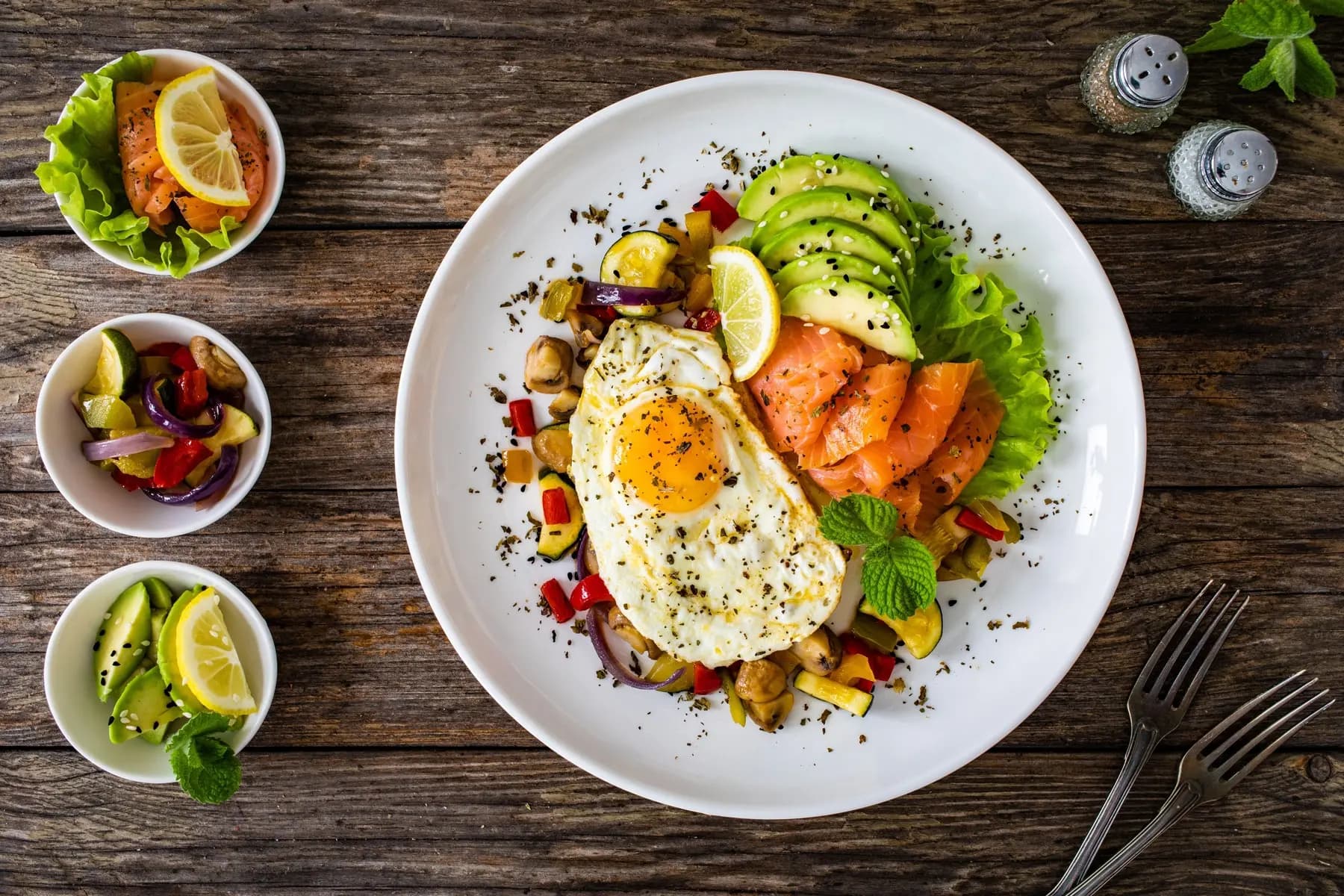
That is where a beginner gets more mileage from structure than from intensity. The guide pushes readers to memorize the practical rules first, then make them repeatable: know your carb ceiling, keep keto foods on hand, and make sure your default meals already fit the plan. That approach matters because the early days are less about mastering recipes and more about avoiding the moment when hunger meets an empty fridge.
Treat the pantry like part of the plan
Meal planning is not a bonus tip here, it is the foundation. If keto-friendly food is already prepped, the first week becomes a series of simple choices instead of a daily scramble. That is especially important because the body is still shifting away from glucose and toward fat use, and beginners are much more likely to break the plan when they have to improvise every meal.
The guide also leans on variety, which helps keep the diet from turning monotonous. A short list of go-to foods makes keto feel manageable, but a little rotation keeps it sustainable. That is the practical middle ground beginners need: enough structure to stay under carb limits, enough variety to avoid burnout.
Hydration and electrolytes are not optional
The early drop in water weight can make the so-called keto flu feel worse, and that is why hydration shows up as a core habit rather than an afterthought. When carbs fall, the body sheds water quickly, and that shift can leave people feeling drained if they are not paying attention to fluids and electrolytes.
For beginners, this is one of the most useful systems to get right early. Stock water, keep electrolyte intake in mind, and do not confuse the temporary adjustment phase with failure. The discomfort often comes from the transition itself, not from doing keto wrong.
Track macros long enough to learn the pattern
Macro tracking is one of the guide’s most practical tools because it teaches what a workable fat-protein-carb balance actually looks like. Early on, that kind of tracking removes guesswork and helps people see where the carb creep is coming from, especially when “healthy” foods still push intake too high for ketosis.
The point is not to count forever. It is to build enough awareness that a beginner can recognize a keto-compliant day without having to log every bite. Once that pattern is clear, the plan becomes easier to repeat, and repetition is what keeps keto from feeling like a temporary experiment.
Expect the first week to feel rough
The guide is direct about the adjustment period: the first week can be especially rough, and poor sleep can make it worse. Sleep matters here because tired bodies are less resilient, and the transition to using fat for fuel can feel heavier when rest is already compromised.
Exercise can help by depleting glycogen stores faster, which supports the shift into ketosis. That does not mean beginners need an intense training plan; it means movement can be part of the transition rather than something to postpone until the diet feels perfect. The larger message is that keto is not just about food. It is about the daily conditions that make fat adaptation easier or harder.
Know what ketosis feels like, and how to check it
Cleveland Clinic describes ketosis as the state in which the body burns fat for energy instead of glucose, and it notes that side effects can include keto breath and constipation. Those are predictable friction points, not signs that the diet has suddenly stopped working.
Some people use urine ketone strips to check whether they are in ketosis, but blood ketone testing is more accurate. That distinction matters for beginners who want a reality check without overreacting to every small change. A simple test can be useful, but the bigger signal is still the repeatable routine: low carbs, enough fat, enough fluids, and time for the body to adjust.
Keep the big-picture health context in view
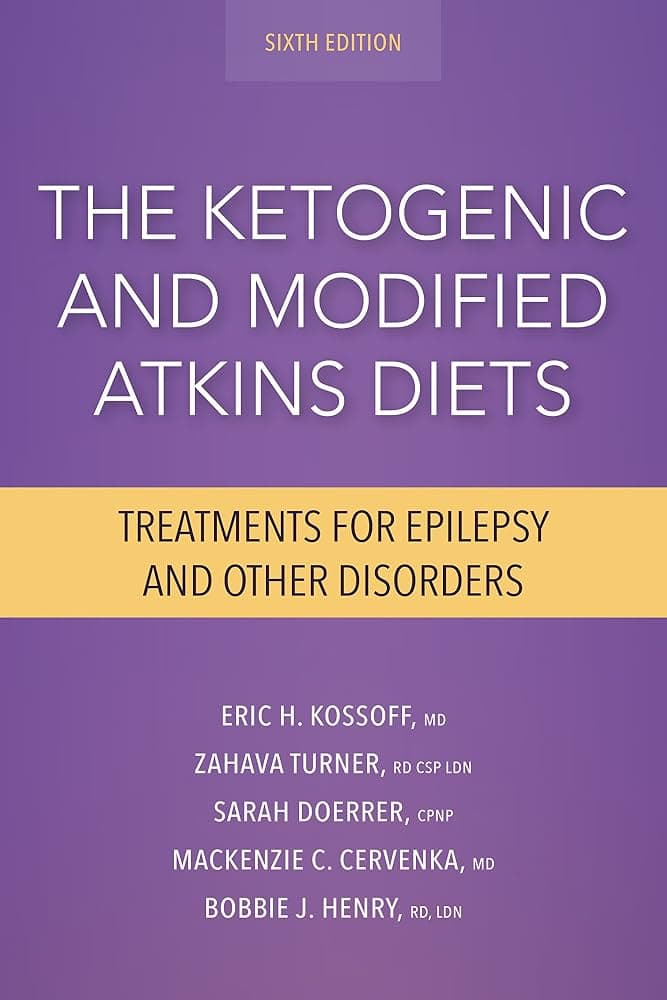
Keto has a long medical history, including nearly 100 years of use in treating drug-resistant epilepsy in children, and that history helps explain why it remains so visible in both clinical and wellness conversations. It is also why major medical sources keep saying it is not for everyone. Cleveland Clinic describes it as a medical, or therapeutic, diet for some conditions, but not a universal fit.
Harvard Health adds more context beginners should not ignore. Short-term benefits for blood sugar and blood pressure may fade over time, and ketogenic diets may lower triglycerides while raising LDL cholesterol. That does not erase the appeal of keto for some people, but it does make clear that the diet is not a magic reset. It is a serious eating pattern with tradeoffs, and those tradeoffs belong in the decision from the start.
The takeaway for beginners is simpler than the hype
The strongest advice in Walker’s guide is also the least flashy: meal prep, label reading, electrolyte planning, macro tracking, variety, and a few default keto foods will do more for your first two weeks than any hack ever will. Keto works better when you treat it like a system you can repeat, not a challenge you have to overpower.
That is the real beginner lesson. If you can get through the early friction with stocked food, low-carb defaults, and a plan for the adjustment phase, ketosis stops feeling like a mystery and starts feeling like a routine you can actually live with.
Every story on Keto Diet Magazine is assembled by an automated editorial system that works from verified research, official records, and credible reporting, then clears automated accuracy and moderation checks before it goes live. The standards that system follows are set and overseen by the people who run the publication. Read our full editorial policy.
Did this article answer your question?