The takeaway for keto readers is caution, not panic: this mouse study did not prove that ketogenic eating is bad for everyone, but it did show that a ketotic state can collide with inflammatory bowel disease in a way that worsened colitis once the gut lining was damaged.
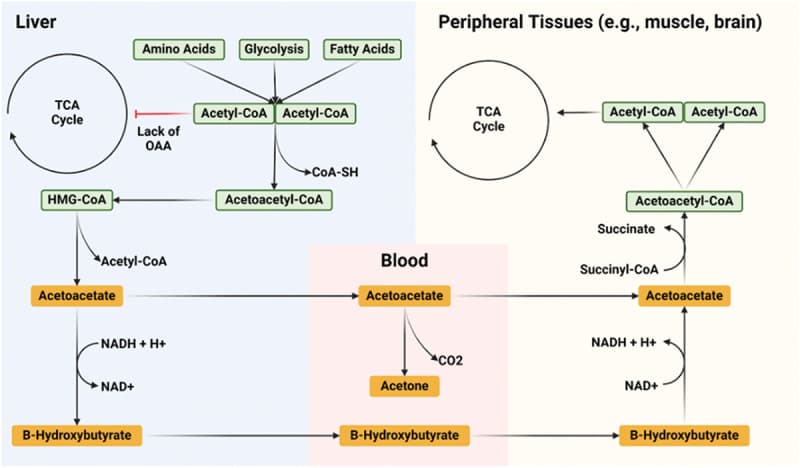
In the model, the ketogenic diet left normal gut homeostasis intact under healthy conditions. The trouble started after mucosal injury was introduced with DSS-induced colitis. From there, the diet set off a ketogenesis-microbe-immune cascade that intensified inflammation instead of easing it. The key metabolic signal was luminal beta-hydroxybutyrate, which rose on the ketogenic diet and helped drive the expansion of a gut microbe called Thomasclavelia spiroformis.
That microbe did not act alone. The researchers traced the next step to colonic gamma delta 17 T cells, which were activated by cell wall components from Thomasclavelia spiroformis. Once those immune cells were switched on, IL-17A-mediated inflammation followed, and the colitis got worse. The study is detailed because it does more than describe an association; it maps a chain from ketone production to a specific microbe to a defined immune response.
Several intervention results strengthened that chain. When ketogenesis was blocked, the ketogenic-diet-driven worsening of colitis disappeared. The same thing happened when IL-17A signaling was blocked. On the flip side, adding beta-hydroxybutyrate or otherwise activating ketogenesis reproduced the aggravation of disease. That pattern makes the mechanism harder to dismiss as a coincidence and suggests the pathway is biologically meaningful, at least in mice.
The human signal is narrower, but it matters. In ulcerative colitis patients, Thomasclavelia spiroformis abundance correlated with fecal beta-hydroxybutyrate and serum IL-17A. That correlation did not appear in Crohn’s disease patients, which hints that the same gut-metabolic loop may not play out across inflammatory bowel disease in a uniform way. For people on keto who already deal with gut symptoms, the practical message is to treat this as a reminder to speak with a clinician before assuming ketosis will be neutral, or helpful, for a vulnerable bowel. For researchers, ketone metabolism and IL-17A signaling now look like possible targets, but the broader lesson is simple: the same diet can help one system and aggravate another when the gut environment changes.
Every story on Keto Diet Magazine is assembled by an automated editorial system that works from verified research, official records, and credible reporting, then clears automated accuracy and moderation checks before it goes live. The standards that system follows are set and overseen by the people who run the publication. Read our full editorial policy.
Did this article answer your question?