Why the Veggie Bowl is the smart Taco Bell move
Taco Bell is usually where keto plans go to die on a pile of tortillas, potatoes, and oversized wraps, but the Veggie Bowl gives you a rare escape hatch. In AOL’s guide, dietitian Angel Luk points to the bowl as the most practical lower-carb order because the format is easy to adjust without losing the convenience that makes fast food tempting in the first place.
That matters because so much of the menu is built around carb-heavy defaults. Crunchwraps, burritos, and potato sides are all harder to square with a keto-style day, while a bowl can be stripped down, rebuilt, and still feel like a real meal. The point is not perfection. The point is avoiding the kind of order that looks harmless at the counter and turns into a carb bomb by the time you hit the parking lot.
What comes in the bowl before you touch it
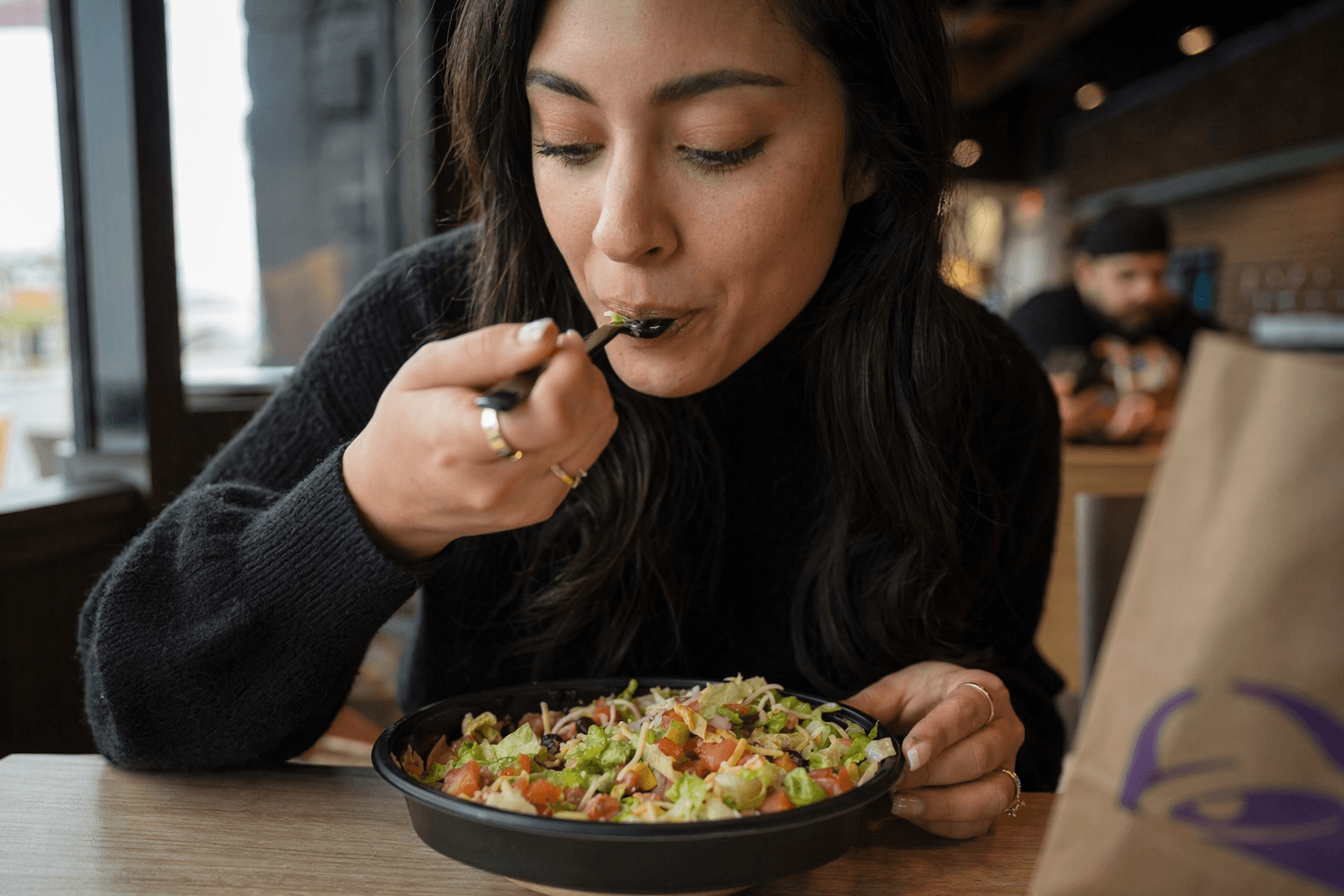
Taco Bell’s current Veggie Bowl is not some bare-bones side salad pretending to be dinner. It comes with seasoned rice, black beans, lettuce, shredded purple cabbage, freshly prepared pico de gallo, guacamole, Avocado Ranch sauce, reduced-fat sour cream, and cheddar cheese. That mix gives the bowl more texture and more staying power than a typical drive-thru salad, and the fiber content is a big part of why it feels more filling than many chain meals.
Taco Bell says the Veggie Bowl is American Vegetarian Association certified vegetarian, which gives it extra appeal for vegetarian diners looking for something quick and structured. Taco Bell also notes that shared equipment and frying oil can create cross-contact risk for some vegetarian diets, a reminder that a menu item can be veggie-friendly without being a perfect match for every dietary need. For keto eaters, the bigger takeaway is simpler: the bowl starts out vegetable-forward, but the rice still stands between it and a truly low-carb order.
The rice swap that changes everything
The cleanest keto adjustment is the one Luk emphasizes most: remove the Mexican rice. That single change drops the bowl to 21 grams of total carbohydrates, 10 grams of fiber, and 11 grams of net carbs. For many low-carb diners, that is the difference between “too much work” and “actually doable,” especially if the rest of the day is already being kept tight on carbs.
What makes the bowl unusual is that the carb cut does not leave it feeling stripped down and sad. You still have black beans, lettuce, cabbage, pico, guacamole, sour cream, and cheese, so the meal stays recognizable and satisfying. The hidden lesson here is that keto-friendly fast food often works best when you remove the biggest starch first instead of trying to build a meal from scratch and hoping the drive-thru cooperates.
How to customize it without accidentally undoing the win
Luk also suggests doubling the lettuce, purple cabbage, and black beans to boost satiety, protein, and overall nutrient density. With those rice-free modifications, she says the bowl reaches 37 grams of carbs, 18 grams of fiber, 15 grams of protein, and 6 grams of saturated fat. That is a more substantial bowl, but it is also a reminder that “low-carb” can mean different things depending on how strict your day is.
For strict keto, the black beans are the place to pause and think. They help with fiber and fullness, but they also keep the carb count from dropping even further, so this version makes more sense as a flexible low-carb meal than as a perfect keto reset. If you are trying to stay as close to keto as possible, the smarter play is to remove the rice, keep the rest of the bowl intact, and treat any extra beans as a deliberate choice rather than a default upgrade.
The good news is that Taco Bell’s customization system makes it easier to build around your goals. The menu page lists add-ons such as seasoned beef, chicken, slow-roasted chicken, steak, jalapeño peppers, and several sauces for the Veggie Bowl. That means you can push the protein higher with meat if you want a more filling low-carb meal, or keep the order vegetarian and lean on peppers and sauces for flavor. Jalapeños are the kind of add-on that usually works beautifully in keto land: high in personality, low in fuss.
Why Taco Bell works better than most fast-food stops
Taco Bell’s official nutrition calculator is the unsung hero here. It lets you build and modify menu items digitally, which is exactly the kind of tool keto eaters need when a meal depends on one or two precise swaps. Instead of guessing, you can check the numbers before you order, which is especially useful when a bowl can go from workable to not-so-workable depending on whether rice stays in the box.
That flexibility is the real story behind the Veggie Bowl. It is not just a vegetarian item that happens to be less carb-heavy than a burrito or Crunchwrap. It is one of the few fast-food orders that can be tailored for vegetarians, low-carb diners, and people working around food sensitivities without forcing everyone into the same narrow template. Taco Bell may never be a keto shrine, but with the rice removed and the add-ons chosen carefully, the Veggie Bowl becomes a genuinely useful survival order, not just a clever internet hack.
Every story on Keto Diet Magazine is assembled by an automated editorial system that works from verified research, official records, and credible reporting, then clears automated accuracy and moderation checks before it goes live. The standards that system follows are set and overseen by the people who run the publication. Read our full editorial policy.
Did this article answer your question?