Ketogenic diet with refeeding helps women keep weight loss at one year
A very low-calorie keto phase followed by refeeding kept women with obesity lighter at one year, and their energy expenditure recovered. That is the maintenance story keto readers care about.
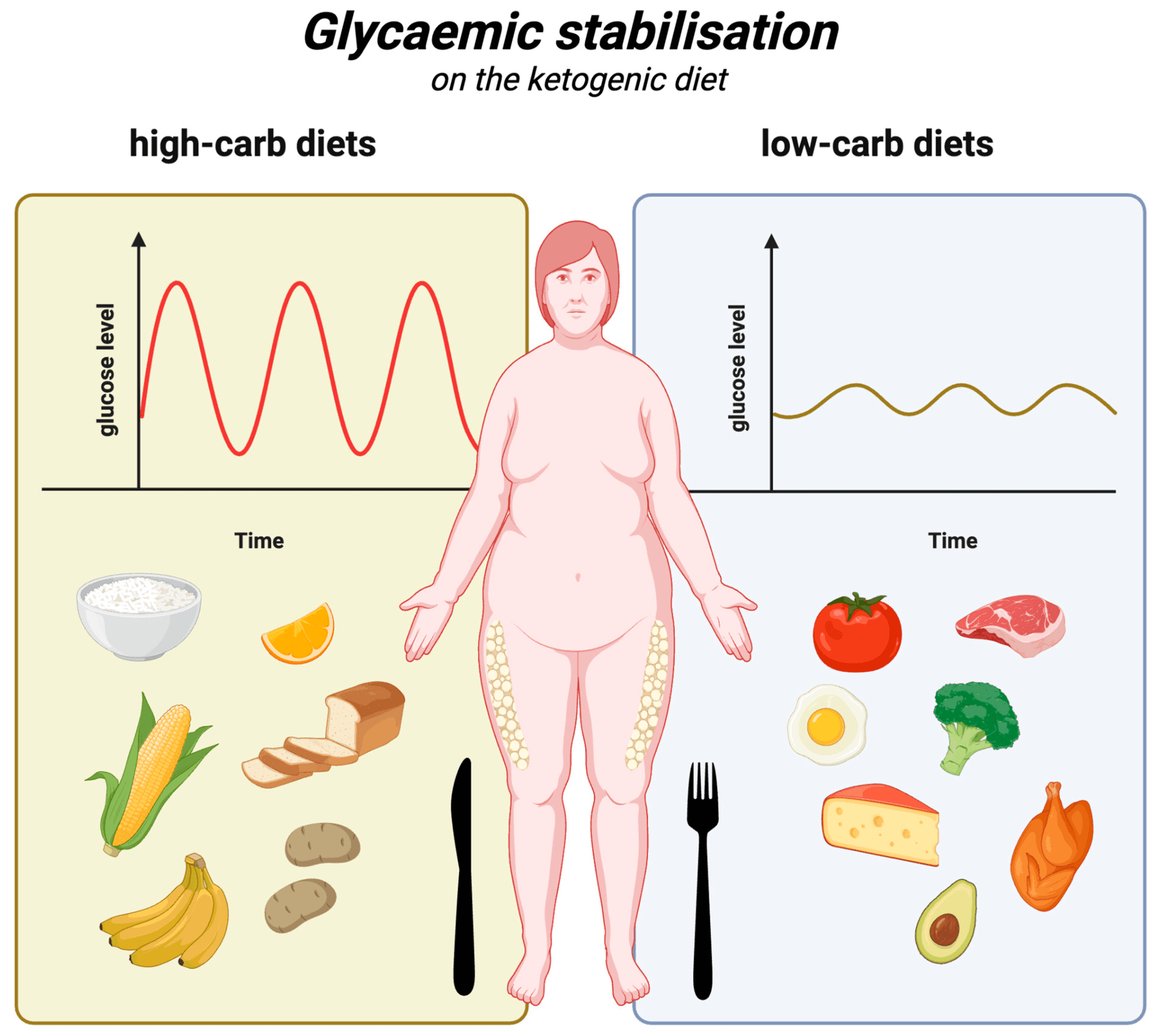
Women with obesity kept meaningful weight loss at one year after a very low-calorie ketogenic diet was followed by structured refeeding, and their energy expenditure recovered during follow-up. That is the part of the story that matters most: the protocol did not stop at rapid weight loss, it tested what happened when the diet loosened up again. Medscape highlighted the finding in its obesity news index on June 30, 2026, alongside GLP-1 coverage that has pushed durability and maintenance to the front of the obesity conversation.
The key detail is that this was not ordinary everyday keto. The intervention was a staged plan, with a very low-calorie ketogenic phase first and a planned refeeding phase later. That distinction matters because the usual fear around highly restrictive diets is metabolic drift, the idea that the body slows down and makes maintenance harder once calories come back. In this case, the summary said the women held on to meaningful weight loss at one year while energy expenditure recovered, which is a much more interesting result than another short-term drop on the scale.
That also fits older obesity research. In a 2009 randomized trial of 169 people in a one-year obesity treatment program, participants first spent 12 weeks on a very-low-energy diet, and those who had lost at least 10 percent of body weight were then assigned to 1 week or 6 weeks of refeeding. The longer refeeding period led to less weight regain, a reminder that the post-diet transition can matter as much as the diet itself. For keto readers, that is the uncomfortable truth hidden inside a lot of success stories: the exit strategy can decide whether the result sticks.
Recent review literature puts the medical version of this approach in perspective. Very low-calorie ketogenic diets are typically described as 500 to 800 calories a day with less than 50 grams of carbohydrate daily. That is a clinical weight-loss protocol, not the looser version of keto most people mean when they say they are “doing keto” at home. It is also why the one-year follow-up is worth paying attention to, because the question is not just whether the scale moves, but whether the body can settle into a new maintenance phase afterward.
Short-term data in women back up the broader pattern. A 2024 study of 100 adult females using a 12-week hypocaloric ketogenic diet reported improvements in glucose, insulin, triglycerides, HDL-C, HOMA-IR and multiple body measurements. Another 2024 study in premenopausal overweight and obese women found that a carefully formulated ketogenic diet produced clinically significant weight loss, mostly from fat mass, and improved insulin sensitivity and serum lipids.
That is why the one-year result lands differently from the usual keto headline. The real question was never just whether women could lose weight fast. It was whether a structured keto phase could give them something they could keep when refeeding started, and this study says that at least some of the time, the answer is yes.
Every story on Keto Diet Magazine is assembled by an automated editorial system that works from verified research, official records, and credible reporting, then clears automated accuracy and moderation checks before it goes live. The standards that system follows are set and overseen by the people who run the publication. Read our full editorial policy.
Did this article answer your question?