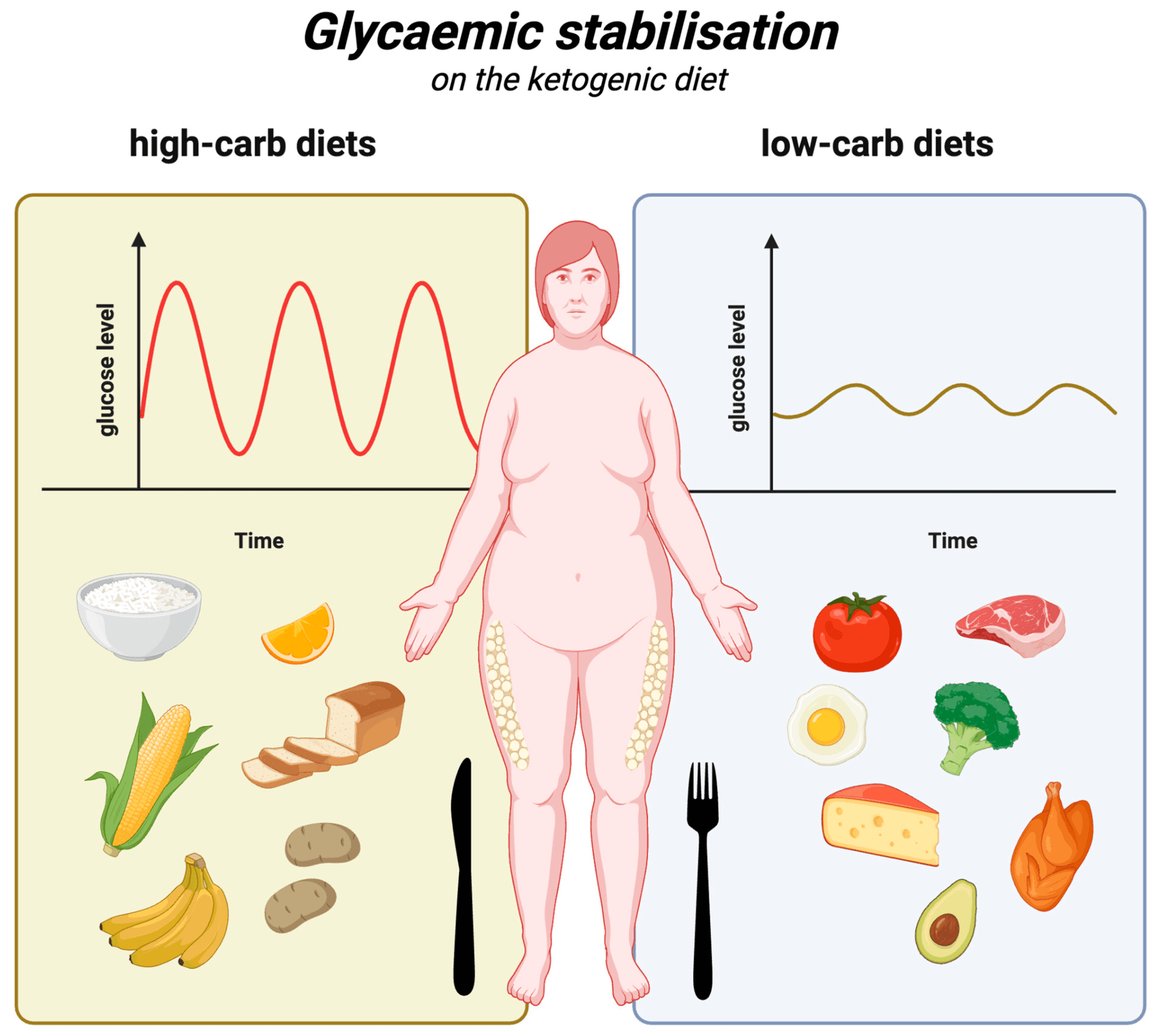
More than 100 years ago, Dr. Wilder at Mayo Clinic developed the ketogenic diet to treat children with severe epilepsy, and NHS guidance still describes ketogenic dietary therapy as a medically supervised treatment for drug-resistant epilepsy. Starting keto is less about sheer willpower than surviving the first two weeks without mistaking adaptation for failure.
What keto actually asks of you
Keto is a high-fat, moderate-protein, very-low-carbohydrate eating pattern. In plain terms, you cut carbohydrate low enough that your body shifts toward ketosis and starts relying more on fat and ketones for energy. That is why keto is often discussed as a weight-loss approach, but it is not the same thing as general healthful eating recommendations.
That distinction is the first thing to hold onto when you are tempted to “wing it.” Keto is not just eating bacon and hoping for the best. It is a food pattern with rules, and those rules are the reason the first 14 days can feel strangely mechanical at first: fewer carbs, more structure, and a much sharper eye on what is actually in your food.
Days 1 to 3: set the frame before your body starts complaining
The easiest way to quit in week one is to start with vague expectations. Before you chase recipes or buy specialty snacks, make the basic decision the diet is built on: you are reducing carbohydrates enough to move toward ketosis. Keto is high-fat, moderate-protein, and low-carbohydrate, which means protein is not the star of the show and neither is “carb-free” perfection.
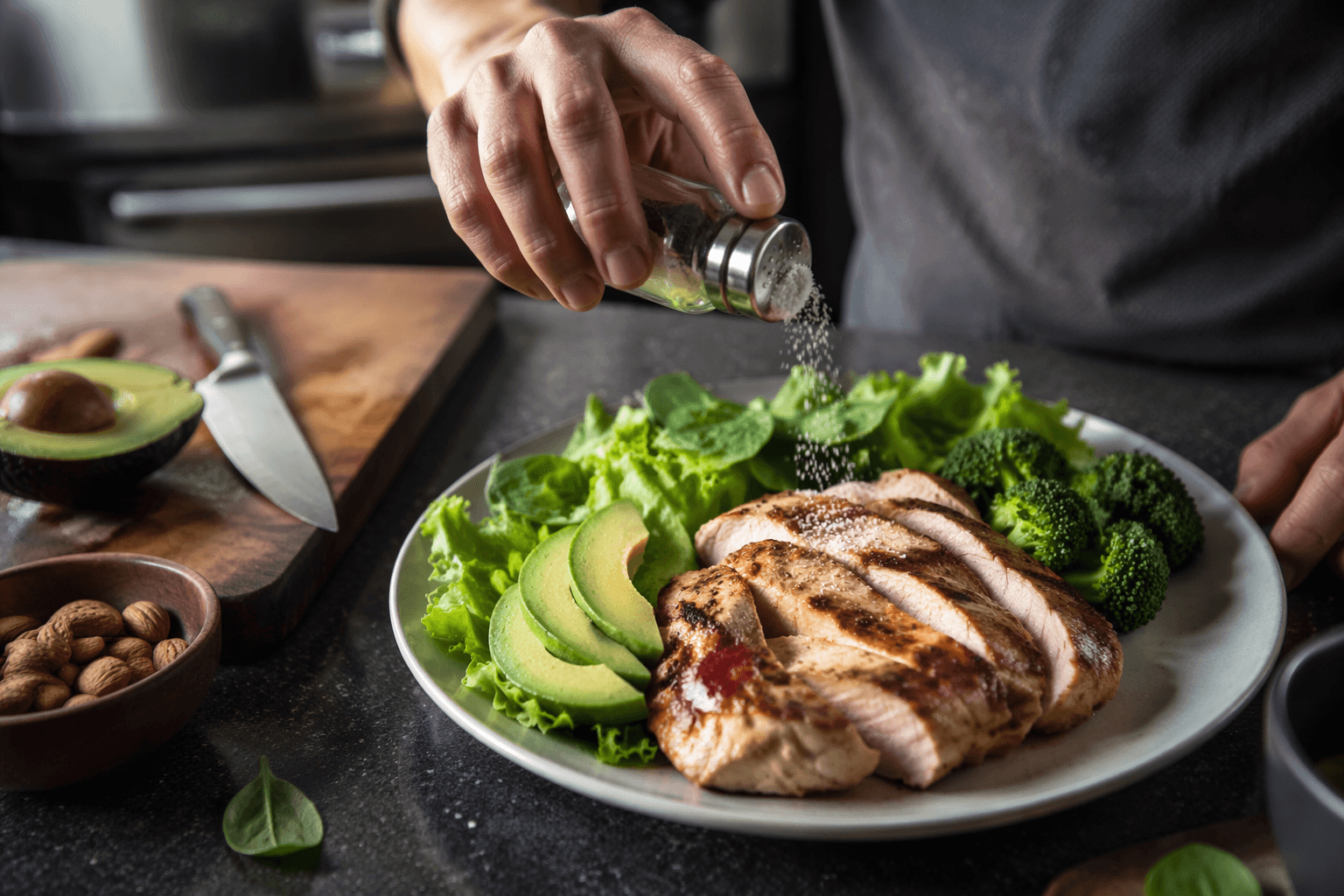
This is the stretch where hidden carbs can sabotage you before you feel any different. A food can look keto-friendly and still push you away from the very-low-carb range if you do not read the label closely. If you are trying to keep the first week calm, keep your meals simple enough that you can recognize every ingredient at a glance.
Days 4 to 7: expect the adjustment, not a miracle
The roughest part of the first week is often the transition itself. Cleveland Clinic puts keto flu onset at about two to seven days after you reach ketosis, and the symptoms can include fatigue, headache, nausea, constipation, irritability, and trouble focusing. That is the trap: people feel those symptoms, assume they are doing keto wrong, and quit right when adaptation is underway.
Your body is switching fuel systems, and the first days or weeks can feel off before they feel steady. If you walk into that window expecting a smooth glide, every headache looks like a warning sign. If you expect a short adjustment period, you are more likely to stay calm, keep your meals consistent, and let the transition pass.
The rookie mistakes that make keto feel harder than it is
The first mistake is overeating protein because it feels safer than fat. Keto is moderate-protein, not high-protein, and that difference matters when you are trying to stay aligned with the diet’s structure. Protein is part of the plan, but if every meal becomes a giant protein pile, you are no longer really building the kind of plate keto asks for.
The second mistake is treating the symptoms of keto flu as a reason to quit. Fatigue, irritability, nausea, and brain fog are common enough in the adjustment window that they should be part of your expectations, not a surprise plot twist.
The third mistake is assuming every packaged food with a low-carb halo is automatically safe. Keto is a very-low-carbohydrate pattern, not a branding exercise, so you need to check labels instead of trusting the front of the box. That becomes especially important when you are tired, hungry, and looking for the fastest possible fix.
Days 8 to 14: make the diet livable, not dramatic
By the second week, the job changes. You are no longer just surviving the switch into ketosis. You are learning what a sustainable keto day actually looks like, and that usually means fewer improvised meals, fewer label guesses, and more repetition than you expected.
This is also the point where the bigger health debate comes into view. The American Heart Association does not rank ketogenic diets as heart-healthy eating patterns, while recent reviews have found that keto may improve weight, triglycerides, blood pressure, and glycemic control. Those reviews also warn that LDL cholesterol and total cholesterol can rise in some people.
Every story on Keto Diet Magazine is assembled by an automated editorial system that works from verified research, official records, and credible reporting, then clears automated accuracy and moderation checks before it goes live. The standards that system follows are set and overseen by the people who run the publication. Read our full editorial policy.
Did this article answer your question?