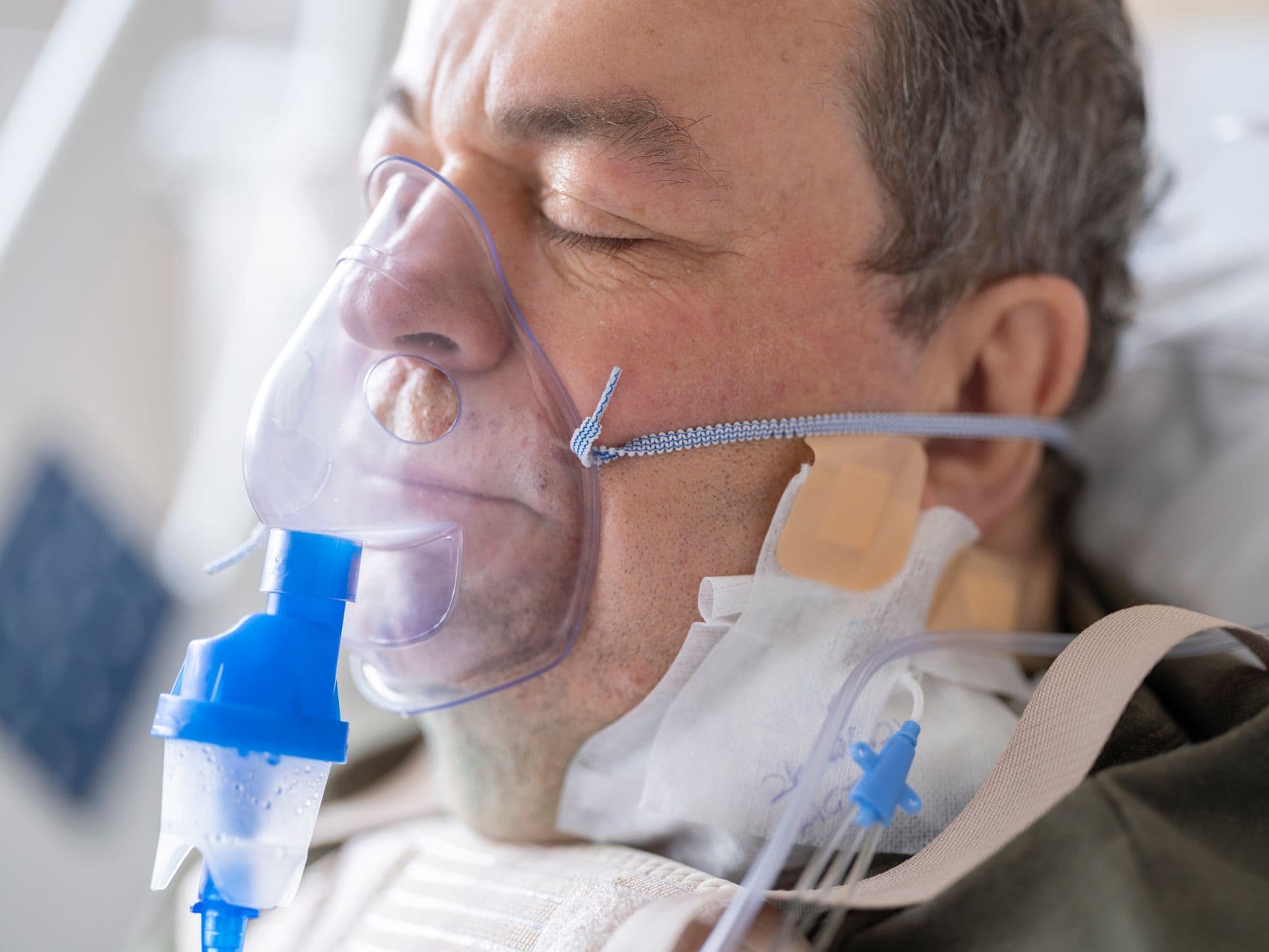
Critical illness changes the metabolic rules fast, and that is exactly why ketogenic therapy is showing up in the intensive care unit. This is not lifestyle keto with a food scale and a macro app. In the ICU, it is being explored as a controlled intervention for the sickest patients, where clinicians are trying to stabilize glucose, manage seizures, and work around the fact that standard nutrition often misses the mark.
What this review is really saying
The new Nutrients scoping review does not sell keto as settled ICU care. It does something more interesting: it maps the early evidence and shows why the question is serious enough to keep testing. The authors used Joanna Briggs Institute and PRISMA-ScR guidance, screened 42 publications, and ended up with seven studies in the synthesis. That is a thin evidence base, but it is enough to show a pattern, not just a one-off curiosity.
The practical takeaway is straightforward. In critically ill patients, metabolism, hormone signaling, and immune function can go off the rails at the same time, and clinicians do not have many nutrition strategies that are tailored to those ICU-specific problems. Against that backdrop, ketogenic therapy is being looked at as a metabolic tool, not a wellness fad.
Where the signal looks strongest: seizures
The clearest use case right now is super-refractory status epilepticus, or SRSE, where seizures keep going despite standard treatment. In the ICU study highlighted by the review, 12 patients with SRSE, with a median age of 34, were treated with a ketogenic diet and 75% of them, 9 out of 12, had their status epilepticus resolve. The median time to resolution was 3 days after ketogenic-diet initiation, which is fast enough to matter in a unit where every hour counts.
Even more important for bedside reality, the responders were successfully weaned off anesthetic agents at a median of 16 days after starting the diet. That is the kind of detail that makes ICU clinicians pay attention, because the goal is not just to stop seizures in theory, it is to get patients off heavy sedation and through a dangerous stretch of critical illness. The same study also reported side effects, including gastrointestinal intolerance, malnutrition, metabolic abnormalities, electrolyte disturbance, and acute weight loss, though most of those problems were correctable.
That side-effect list is the reminder keto fans need to keep in view: in the ICU, ketosis is not romantic, it is managed. It is watched with labs, adjusted around complications, and used only when the team can actually support it.
Why sepsis keeps coming up
Sepsis is the other big arena, and the logic is different. Here, the diet is being examined for its possible effects on glycemia, insulin demand, and immune response. The review notes one study where, after day 4, none of the patients in the ketogenic-diet group required insulin. That is not a blanket claim that keto “treats” sepsis, but it is a meaningful clue that the feeding strategy may change how hard the team has to work to control glucose.
A 2024 open-label, randomized controlled trial in critically ill sepsis patients randomized 40 adults to ketogenic feeding or standard high-carbohydrate feeding. On top of that, a 2025 BMJ Open protocol lays out a multicenter sepsis trial in five ICUs in China, registered as ChiCTR2400093805, with primary outcomes focused on protection of the heart, kidneys, and liver. That is a big step from feasibility talk to organ-protection testing.

If you follow ICU nutrition at all, that progression matters. It suggests the field is no longer asking only whether ketosis can be induced, but whether it can be used in a way that meaningfully changes organ stress and resource use in critically ill patients.
The evidence is early, but it is no longer just anecdotal
A 2024 systematic review of nutritional ketosis in critical illness included 11 studies and came to the same broad conclusion: randomized and nonrandomized trials are still needed for firmer answers. That is the right level of caution. The current evidence is suggestive, not definitive, and it is spread across small cohorts, case series, and early trials.
The ICU keto story itself has been building for years. A 2014 adult SRSE case series helped establish that ketogenic therapy was possible in this setting at all. More recently, a 2021 review argued that ketogenic diets are emerging as a critical-care adjunct when antiseizure drugs and anesthetic agents fail. In other words, this is not a brand-new idea, but it is one that is finally being pushed toward a more formal clinical shape.
Protocols are starting to catch up
That formal shape matters because ICU keto is hard to do well. Clinicians still cite the same barriers again and again: difficulty achieving ketosis, lack of expertise, lack of resources, and limited dietitian support. Those are not trivial obstacles. In the ICU, a diet has to fit around ventilation, sedation, tube feeds, electrolyte shifts, and the daily chaos of critical care.
That is why a 2025 standard operating procedure paper for adult ICU status epilepticus is worth noticing. Written by Ruiqiang Zheng, Weibi Chen, Yishu Ren, Tim Rahmel, Simone Kreth, Katharina Feil, Daniela Schweikert, and Michael Adamzik, with work spanning Xuanwu Hospital Capital Medical University, Ruhr-Universität Bochum, and Northern Jiangsu People’s Hospital Affiliated to Yangzhou University, it aims to make ketogenic use more reproducible and transferable across centers. For a therapy that has lived in the margins, standard operating procedures are how it starts to look less improvised and more legitimate.
The bottom line for keto readers
This is the part that matters if you live in the keto world: therapeutic ketosis in the ICU is not a signal to blur hospital care with home dieting. It is a tightly monitored medical intervention being tested in patients with SRSE, sepsis, and other forms of critical illness, where the stakes are sedation, organ function, and survival. The new scoping review does not prove keto belongs in every ICU, but it does show why doctors keep coming back to it.
That is the real shift here. Keto is moving beyond weight-loss talk and into protocol-level medicine, but only in a place where the numbers are watched, the risks are real, and the margin for error is tiny.
Every story on Keto Diet Magazine is assembled by an automated editorial system that works from verified research, official records, and credible reporting, then clears automated accuracy and moderation checks before it goes live. The standards that system follows are set and overseen by the people who run the publication. Read our full editorial policy.
Did this article answer your question?