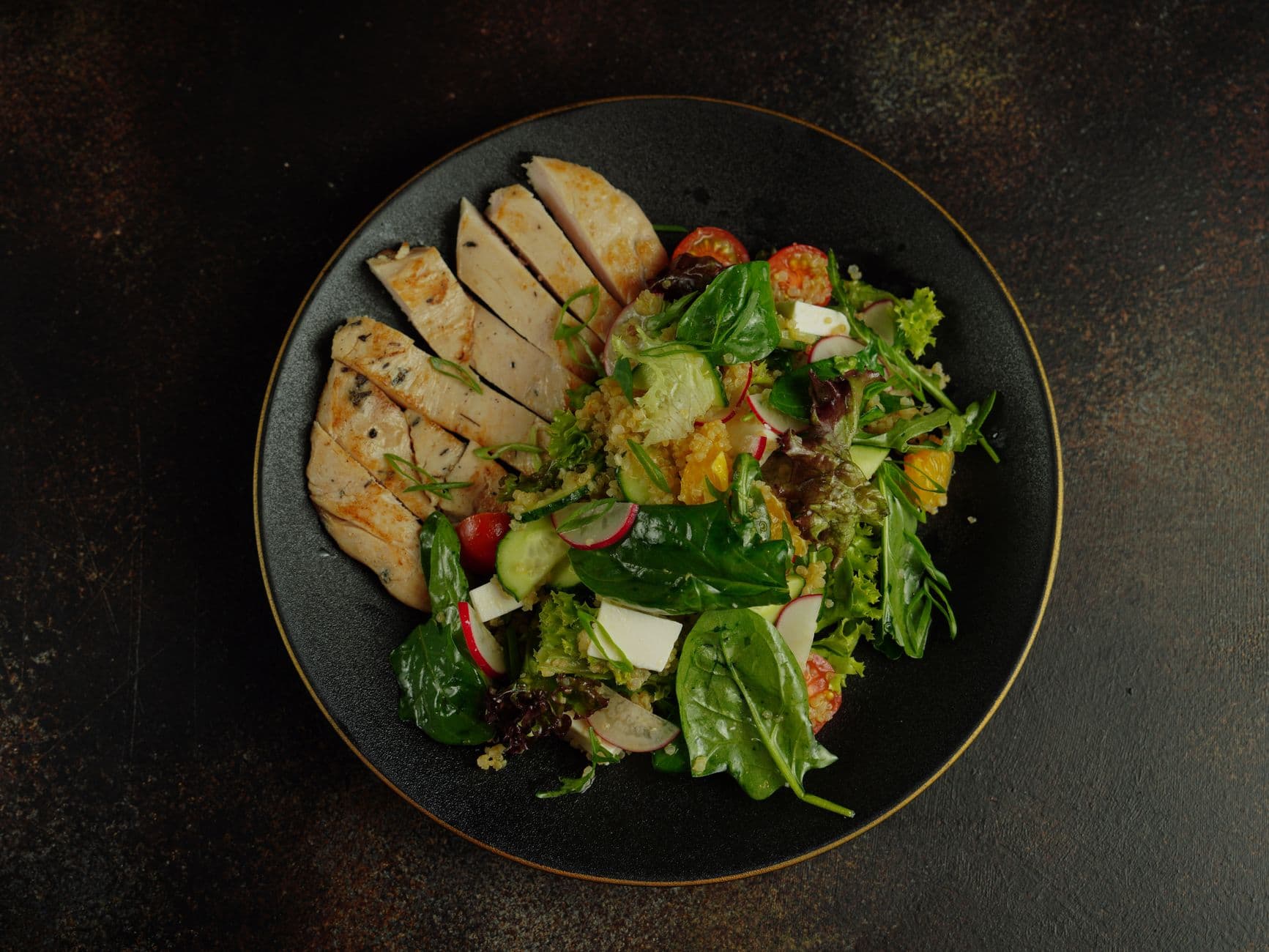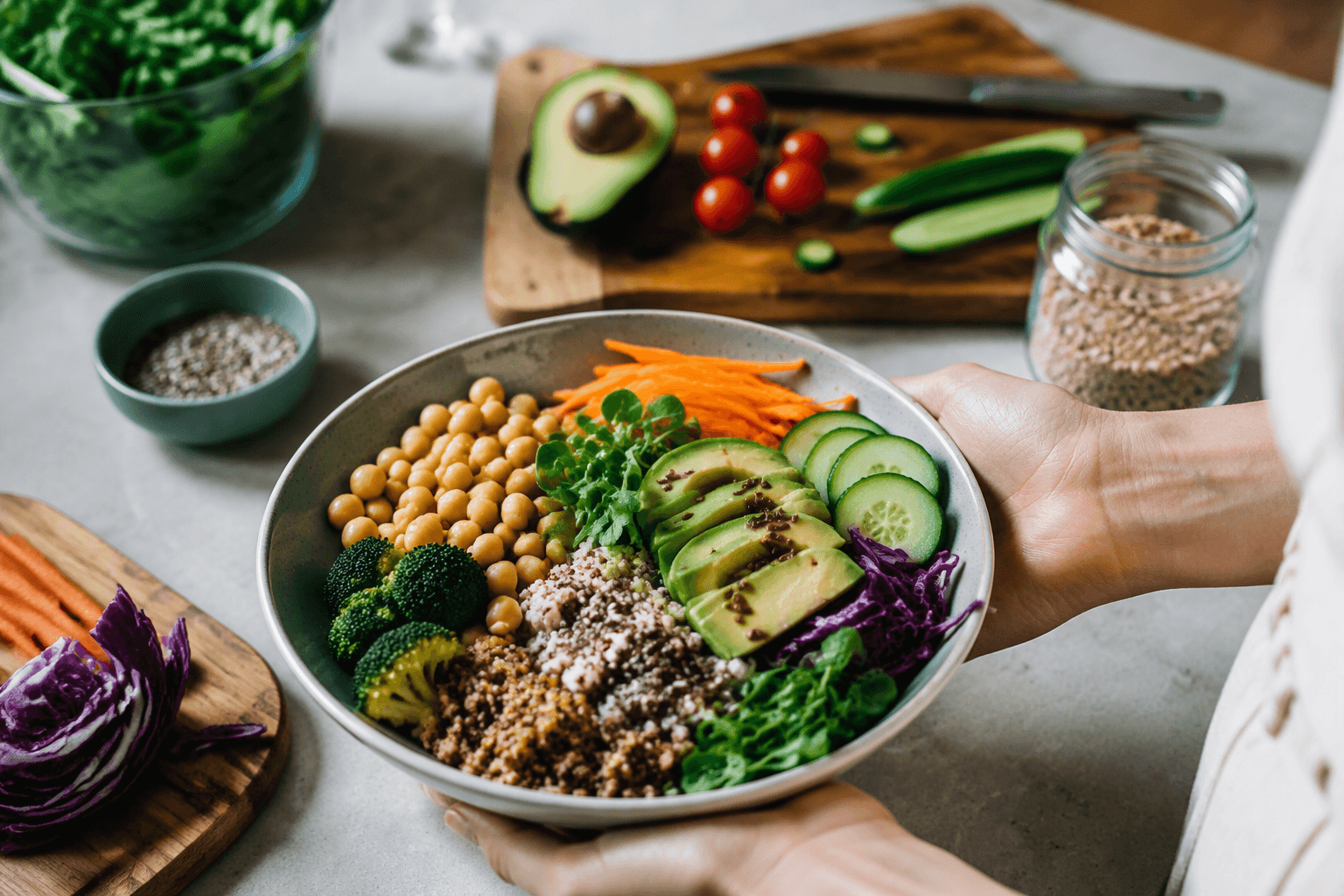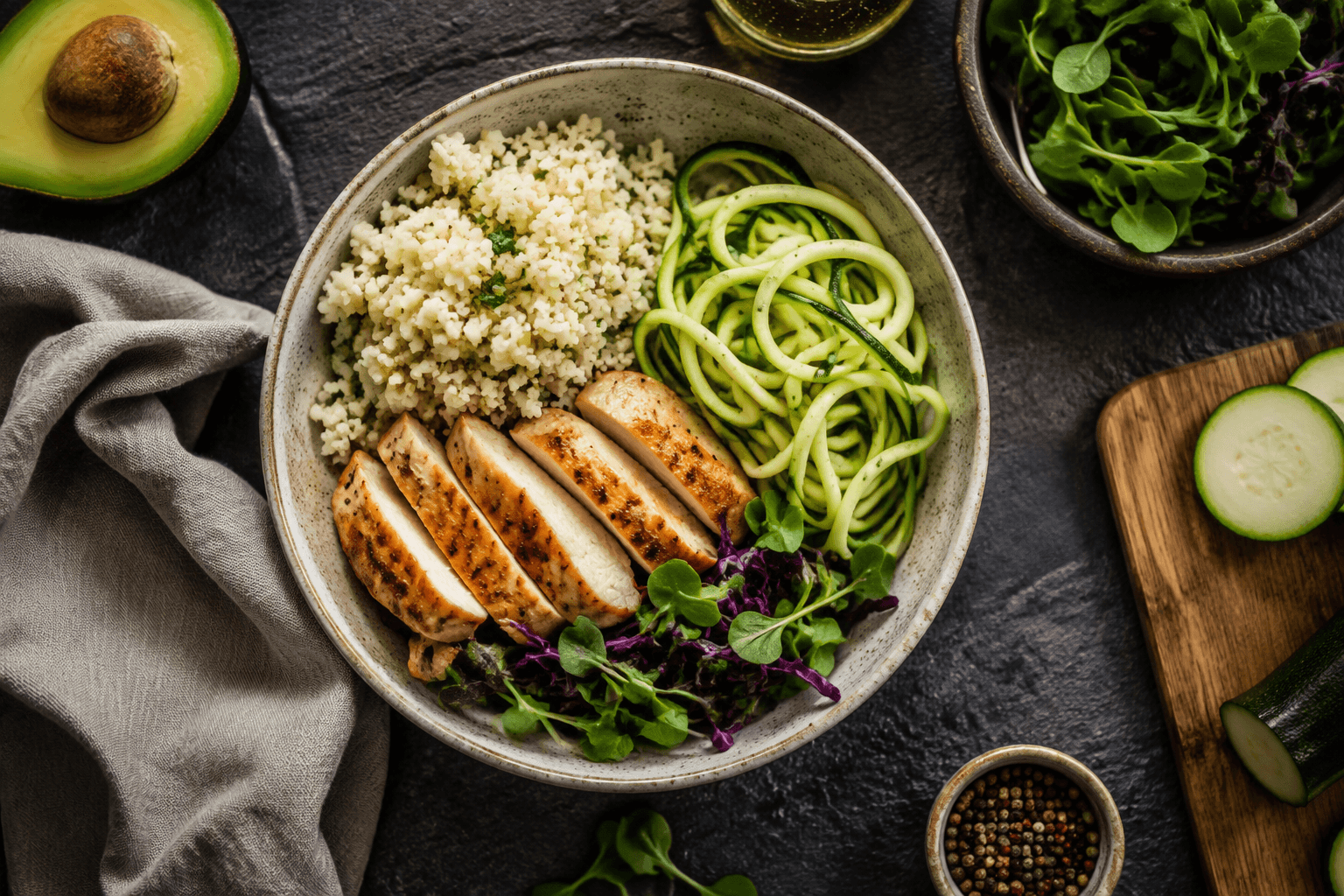
Lettuce wraps, aubergine panini and cauliflower rice make low-carb eating easier because they keep lunch, dinner and snack time feeling complete instead of punishing. The most useful keto swaps show up in the everyday friction points of sandwiches, bowls and quick grab-and-go meals.
Sandwiches that still feel like lunch
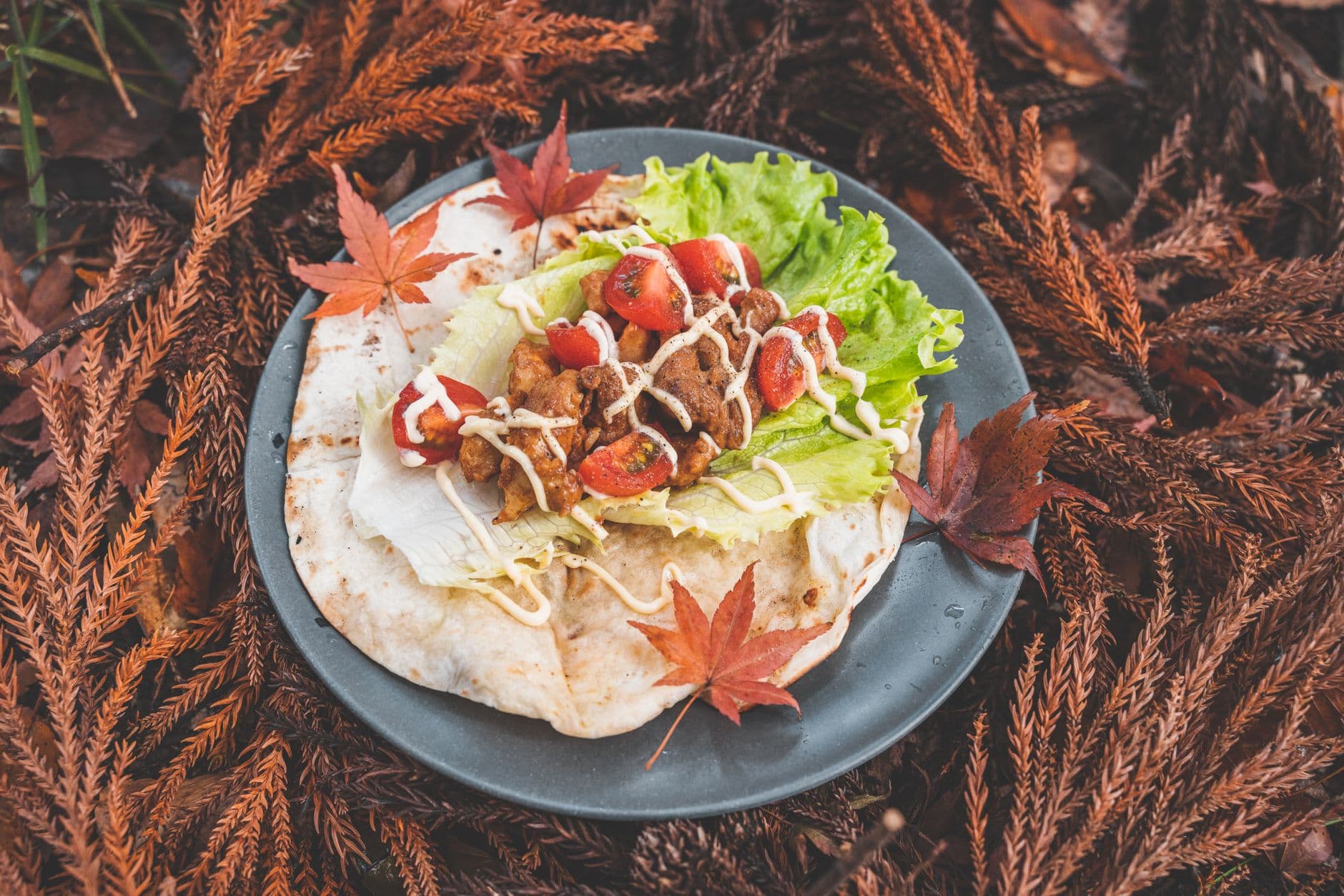
Lovefood opens with options like aubergine panini and lettuce wraps. Lettuce wraps are the easiest place to start because they ask almost nothing of you: no specialty baking, no extra prep, just a crisp vessel for leftovers, chicken salad or tuna. They are also the cheapest path when you are trying to keep a keto lunch habit alive on ordinary produce.
Aubergine panini is the more convincing move when you miss something warm and structured. Sliced aubergine gives you a sturdier bite than a leaf wrap, and it works especially well when you want a sandwich-shaped lunch without the bread crash. BBC Good Food’s low-carb replacement guide also calls out spaghetti, bread, pancakes and pizza as foods that can be reworked instead of abandoned.
Pasta nights without the starch
Pasta is where many low-carb plans break down, because you are not just replacing an ingredient, you are replacing comfort. That is why courgettes, zucchini noodles and spaghetti squash keep turning up in low-carb kitchens. Lovefood includes courgettes as a lighter stand-in, while Mount Sinai Health includes roasted eggplant as a pasta substitute with a starchy, comforting feel without the starch itself.
Courgette noodles, often called courgetti, are the easiest weeknight fix if you already own a peeler or spiralizer. They cook fast, take almost any sauce, and stay close enough to the original pasta format that you do not have to rethink the whole meal. Spaghetti squash and roasted eggplant are a little more substantial, which helps when you want the plate to feel like dinner rather than a side dish.
Rice bowls and fried rice fixes
Rice bowls are another high-friction spot because the bowl format depends on bulk. Atkins collects rice substitutes under its low-carb and keto-friendly rice alternatives, and the wider low-carb world keeps coming back to cauliflower rice, shirataki rice and broccoli rice for good reason. Cauliflower rice is the easiest to buy and the easiest to cook into almost any bowl, especially if you are already making a stir-fry or curry.
Shirataki, also called konjac rice, is the better choice when you want the most convincing grain-like experience without the starch. It behaves more like a dedicated rice substitute than a chopped vegetable does, which makes it useful for fried rice, curry bowls and meal prep containers that need to reheat cleanly. Broccoli rice sits somewhere in the middle: it is still very produce-driven, but it brings a little more flavor and vegetable heft than plain cauliflower.
Snacks and quick lunches that keep you moving
The lunch problem is not just about what you cook, it is about what you can eat without a full reset of your day. The American Diabetes Association’s Diabetes Food Hub and Diabetes UK both frame low-carb and very low-carb eating as meal-planning patterns, not all-or-nothing rules. A keto lunch works best when it can be assembled fast, packed easily and eaten without drama.
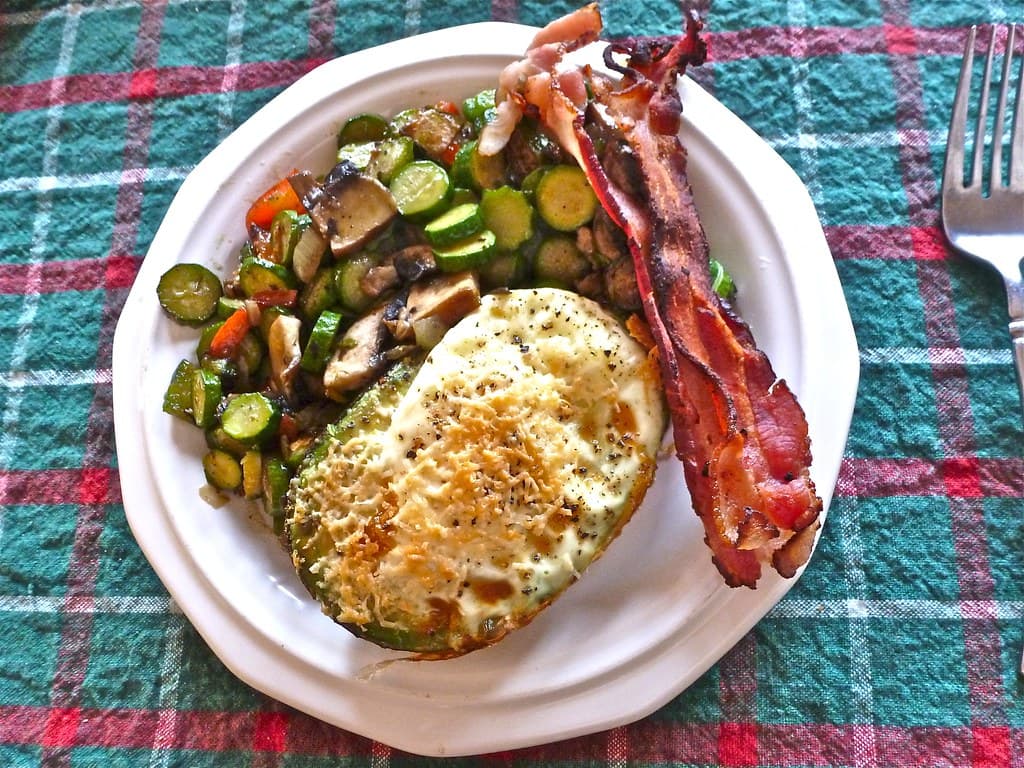
That is also where convenience products enter the picture. Atkins positions its bars, snacks and treats as low-carb options with protein and flavor built in, which makes that category useful for emergencies and travel. Whole-food versions still win on cost and ingredient quality, but shelf-stable snacks can keep you from reaching for a sandwich at 3 pm when hunger gets loud.
- lettuce wrap plus leftover chicken or tuna
- courgetti tossed with pesto or meat sauce
- cauliflower rice bowl topped with eggs, salmon or beef
- snack box built around cheese, nuts and a protein source
For a quicker lunch, think in templates:
The bigger keto lesson behind the swaps
Harvard T.H. Chan School of Public Health tied low-carbohydrate diets emphasizing healthy, plant-based sources to slower long-term weight gain in 2023, and in 2026 Harvard linked both low-carb and low-fat patterns to lower heart-disease risk when they were rich in high-quality plant foods and low in animal products.
A Frontiers in Nutrition systematic review published on 2025-01-06 found improvements in glucose and lipid metabolism in overweight or obese patients with type 2 diabetes on low-carbohydrate diets, while the American Heart Association has also noted that some reduced-carb diets may lower diabetes risk and others may raise it depending on food quality. University of Utah Health warned in 2024, from a mouse study, that a long-term ketogenic diet was associated with fatty liver disease and accumulation of aged cells in normal tissues. At the same time, Virginia Tech News in 2026 linked a keto diet to unlocking the effects of exercise for people with high blood sugar.
Every story on Keto Diet Magazine is assembled by an automated editorial system that works from verified research, official records, and credible reporting, then clears automated accuracy and moderation checks before it goes live. The standards that system follows are set and overseen by the people who run the publication. Read our full editorial policy.
Did this article answer your question?