A supervised ketogenic intervention in adults with type 2 diabetes lifted calculated LDL by 10% on average, yet Virta Health said the same group saw a 12% drop in 10-year ASCVD risk. That split is the heart of the story for keto followers who have watched LDL become the loudest number in the room.
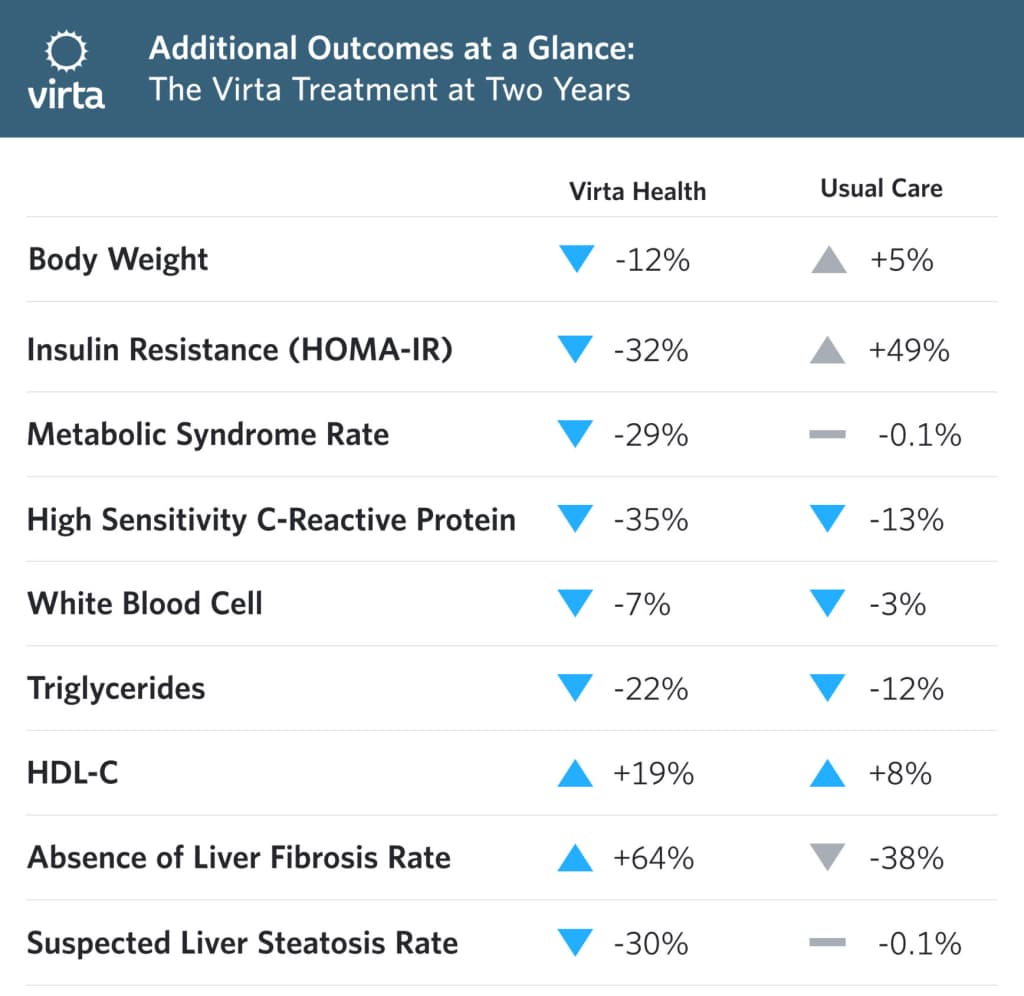
Virta first put its cardiovascular data into the public record on May 2, 2018, saying the program improved 22 of 26 cardiovascular risk markers and lowered 10-year ASCVD risk by 11.9%. The company said inflammation, measured by C-reactive protein, fell 39%, and that 60% of patients achieved type 2 diabetes reversal at one year. Virta also said the program's cardiovascular gains came alongside weight loss and estimated savings of $9,600 per patient over the first two years.

Cardiologist Bret Scher has pointed to that pattern as a reason to look beyond LDL in isolation when metabolic health is the issue. Virta's current outcomes page now describes the one-year ASCVD change as 12% and says more than 20 cardiovascular disease markers improved. In the company's newer educational material on blood lipids and a well-formulated ketogenic diet, calculated LDL rose in some participants, but LDL particle size increased while total LDL particle number and ApoB stayed unchanged. Virta frames that shift as a move toward less atherogenic lipoproteins, even when the standard LDL number climbs.
The company has kept tying those findings to the burden of heart disease in type 2 diabetes, saying cardiovascular disease affects more than 1 in 3 adults in the U.S. and costs the nation more than $316 billion. In that framing, the important question is not whether LDL moved up in a vacuum, but how the whole risk stack moved together, including blood pressure, inflammation, medication use and the ASCVD score.

That is the tension Virta keeps returning to: a higher LDL reading can set off alarms, but in this supervised cohort the broader cardiovascular ledger moved the other way.
Every story on Keto Diet Magazine is assembled by an automated editorial system that works from verified research, official records, and credible reporting, then clears automated accuracy and moderation checks before it goes live. The standards that system follows are set and overseen by the people who run the publication. Read our full editorial policy.
Did this article answer your question?