Doctors are not split over whether keto can work. They are split over how far its benefits can be trusted, because the diet can move weight and glucose quickly while raising questions about sustainability, nutrient balance, and safety over time. That is why keto sits in an unusual place in medicine, useful in some settings, but rarely treated as a one-size-fits-all plan.
Where doctors tend to agree
Keto works by slashing carbohydrate intake enough to push the body into ketosis, where ketones become a main fuel source instead of glucose. That metabolic shift is the reason many clinicians acknowledge its short-term power: appetite often drops, weight can come off quickly, and blood sugar can improve in people who are trying to manage diabetes or prediabetes. Cleveland Clinic has also pointed to possible short-term gains in triglycerides, which helps explain why the diet still attracts medical interest.
The American Diabetes Association takes a notably individualized stance. For adults with diabetes and prediabetes, it recommends nutrition counseling built around glycemic targets, weight management, and cardiovascular risk factors, not one single eating pattern for everyone. That approach matches what many physicians practice in real life: keto may be appropriate for some people, but it is usually considered a tool to match a specific clinical goal, not a default lifestyle prescription.
Why the caution starts quickly
The first concern is whether keto can be lived with long enough to matter. A diet that sharply limits bread, fruit, beans, and many vegetables may produce fast results, but the same restriction can make it hard to sustain, especially if meals feel repetitive or socially awkward. Doctors also worry about nutritional variety, since a very narrow menu can crowd out micronutrients that are easy to miss when carbs are heavily restricted.
Side effects are another reason clinicians hesitate. Mayo Clinic has flagged headaches, constipation, bad breath, kidney stones, low blood pressure, nutrient deficiencies, and a possible increased risk of heart disease. Those are not minor footnotes for people already managing other conditions, and they help explain why physicians often want lab work, symptom checks, and medication reviews before they sign off on keto.
Who should only try it with medical supervision
Keto is not treated the same way across all patients. It can be risky for people with pancreas, liver, thyroid, or gallbladder conditions, and it may also need close oversight for anyone taking medication regimens that affect blood sugar, fluids, or blood pressure. In practice, that means the diet is often handled more cautiously when a person has diabetes, a history of kidney issues, or several chronic conditions at once.

That supervision matters because keto can change the body fast. If glucose levels fall quickly, medication doses may need adjustment, and if fluid balance shifts, symptoms like dizziness or fatigue can show up early. Physicians who are comfortable with keto usually want it paired with a broader care plan, not approached as a stand-alone fix.
Why keto still has real clinical credibility
The diet’s medical history is a big reason it has not been dismissed outright. Mayo Clinic physician Russell Wilder coined the term ketogenic diet on July 27, 1921, in Rochester, Minnesota, and ketogenic dietary therapy was first reported in the 1920s as a treatment for epilepsy. Johns Hopkins Medicine traces that early clinical use to seizure care, which gives keto a longer and more serious medical pedigree than most fad diets ever earn.
That history still matters today. The UK’s NHS says ketogenic therapy is a special high-fat, low-carbohydrate diet shown to help reduce seizures in children with drug-resistant epilepsy. In other words, keto is not just a weight-loss trend that happened to catch on later; it began as a controlled medical intervention, and that origin still shapes how some doctors think about it.
How the modern debate widened
Keto’s mainstream popularity grew far beyond epilepsy care. Mayo Clinic notes that the diet became more visible during the Atkins era in the 1970s, which helped move it from specialist treatment into consumer weight-loss culture. That shift is part of the reason keto now lives in two worlds at once: a legitimate therapeutic approach in some clinics, and a heavily marketed lifestyle trend everywhere else.
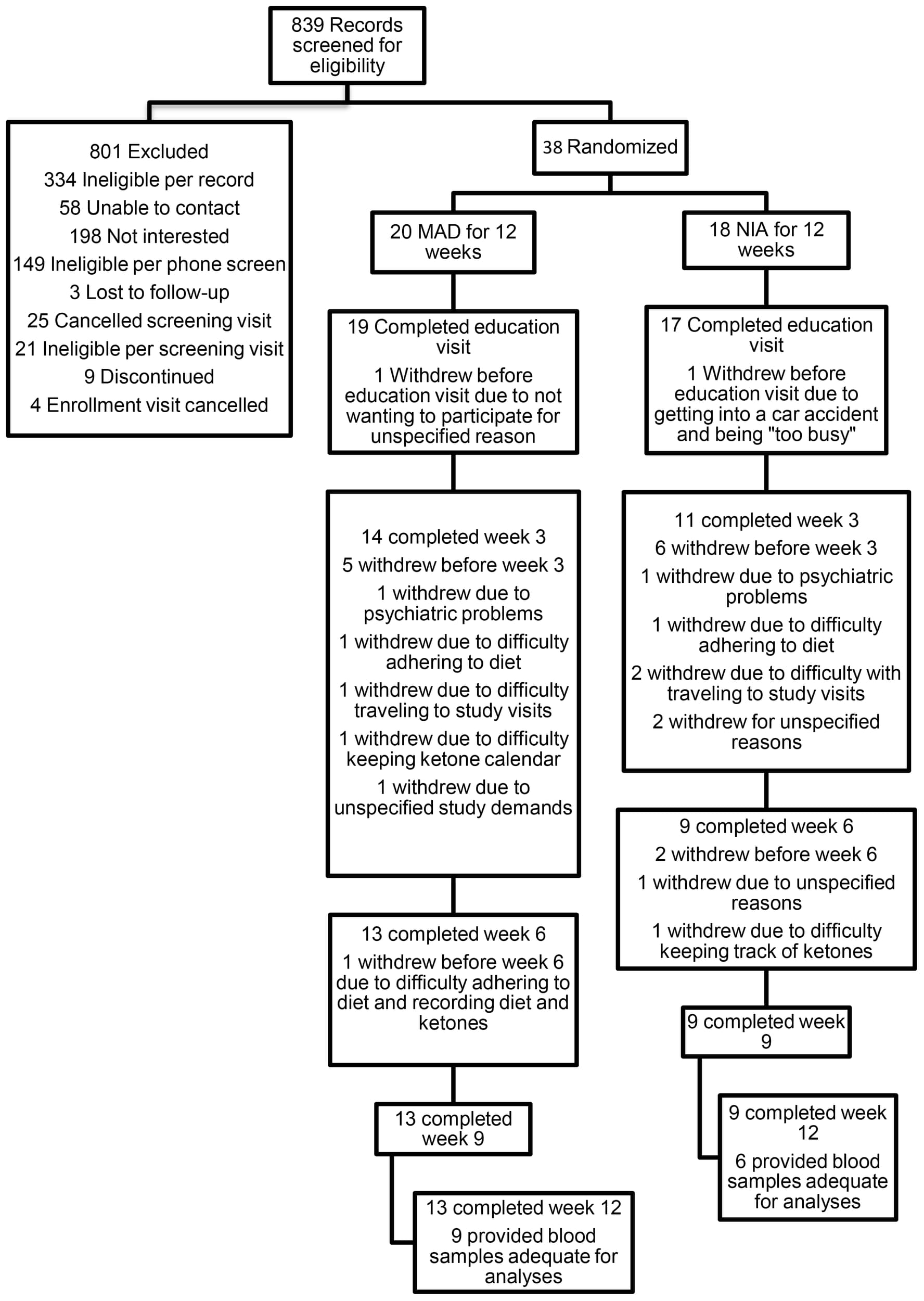
The evidence behind the trend is still mixed. Recent reviews continue to find that high-quality long-term randomized trials of low-carbohydrate or ketogenic diets for type 2 diabetes remission are limited, which leaves the long-range picture less certain than the short-term one. A 2024 Cell Reports Medicine study sharpened that tension further: over 12 weeks, ketogenic carbohydrate restriction reduced body fat in healthy adults, but it also increased atherogenic lipoproteins and reduced glucose tolerance.
That is the core reason doctors keep splitting on keto. The early wins are real enough to make the diet worth considering, especially when blood sugar or rapid weight loss is the immediate goal. The doubts are real too, and they are strongest when the conversation turns to long-term safety, lipid changes, kidney strain, and whether the diet fits the person in front of the doctor, not just the numbers on a scale.
Every story on Keto Diet Magazine is assembled by an automated editorial system that works from verified research, official records, and credible reporting, then clears automated accuracy and moderation checks before it goes live. The standards that system follows are set and overseen by the people who run the publication. Read our full editorial policy.
Did this article answer your question?