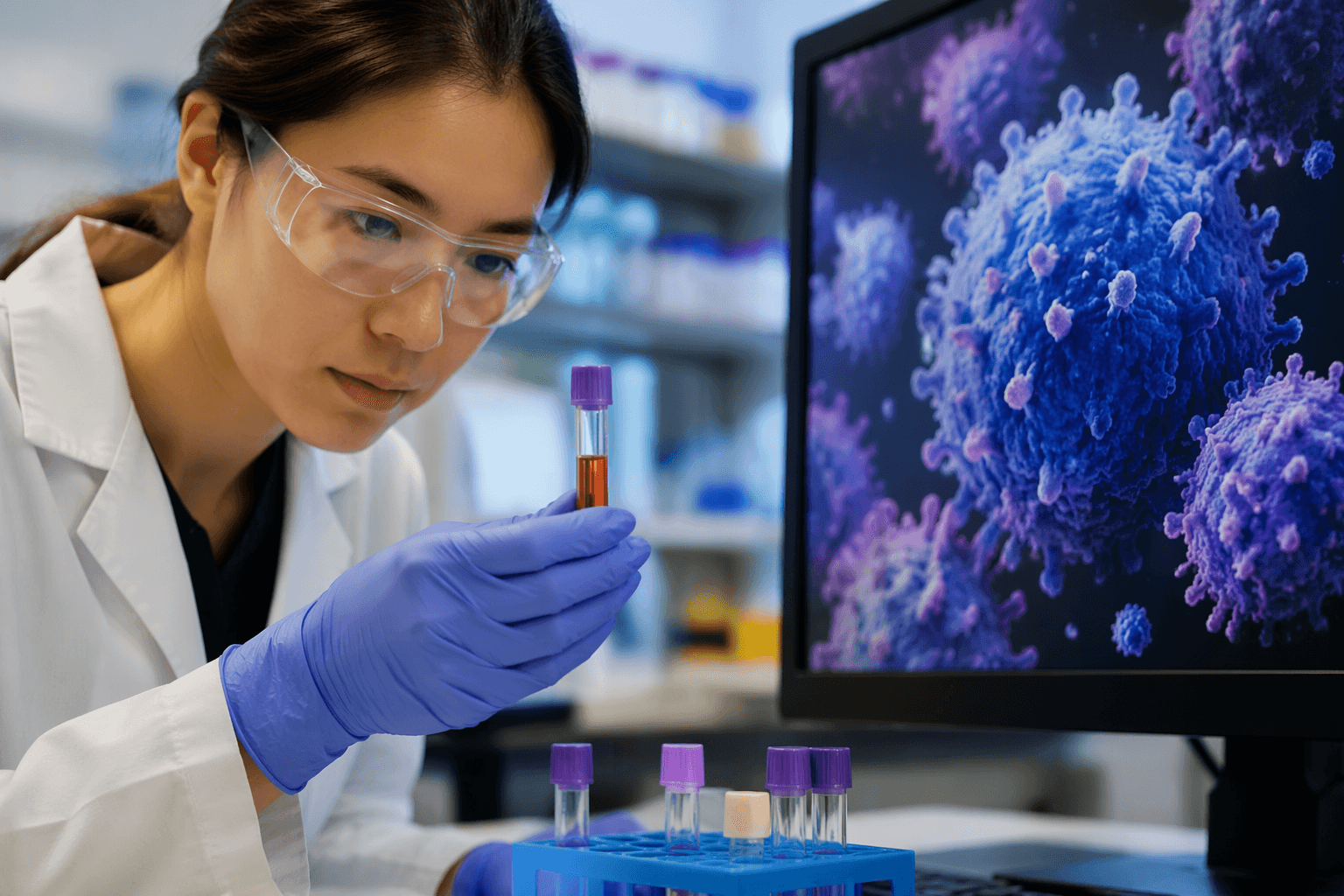
Ketogenic diet headlines can swing from inspiring to irresponsible fast, especially when cancer gets dragged into the conversation. The real question for keto readers is simple: is this the kind of metabolic oncology result that could eventually matter in clinic, or just another overhyped “keto cures cancer” claim wearing a lab coat?
This new work leans toward the first category, but only in a very specific way. A March 2026 study in Cell found that beta-hydroxybutyrate, or BHB, the ketone body that rises during fasting and on a ketogenic diet, enhanced CAR T-cell function in multiple preclinical cancer models. That is promising for people who follow keto, but it is not the same thing as proving that a ketogenic diet treats cancer in patients.

What the study actually found
The researchers showed that BHB did more than float around as a marker of ketosis. In the Cell paper, BHB metabolically reprogrammed CAR T cells and helped fuel the cells through the TCA cycle and oxidative phosphorylation. That translated into better proliferation, stronger cytokine production, and superior tumor control in the models they tested.
That detail matters, because CAR T therapy is already a real weapon in oncology, especially for certain blood cancers. The catch is that many patients still do not respond, and some who do respond later relapse. So if a simple metabolic lever can make CAR T cells work harder and last longer, that is the sort of mechanism cancer researchers pay attention to.
Why this is interesting for keto readers
Keto people already think in terms of fuel, flexibility, and metabolic signaling, so this study speaks the language of the community. BHB is not just “burning fat chemistry.” In this setting, it looks like an active signal that may help immune cells do their job better under the right conditions.
That is also why Benjamin Bikman has been pointing readers toward this line of research. Bikman, a professor of cell biology and physiology at Brigham Young University in Provo, Utah, has long argued that ketosis is worth studying for more than weight loss. A recent profile said his interest is personal too: his mother died from cancer when he was young, and that family history helped shape his low-carb focus.
Still, enthusiasm needs a leash. Bikman highlighting a study is not the same thing as proof that people with cancer should start keto on their own. What makes this paper notable is not that it sells a cure, but that it gives a plausible metabolic mechanism for why ketosis might improve one specific cancer treatment.
Where the evidence is still thin
This is the part that separates serious metabolic oncology from internet hype. The BHB findings are preclinical, meaning they come from models, not from a clinical trial showing better outcomes in patients. Penn Medicine called the results promising and potentially cost-effective, but also said they still need clinical-trial testing before they can be used in patient care.
That caution is not boilerplate. The broader keto-and-cancer literature has been mixed for years. A 2021 systematic review covering 39 studies and 770 patients found no conclusive evidence that ketogenic diets improved overall survival or anti-tumor outcomes. A 2025 review in Frontiers also concluded that the field still needs better evidence, and recent assessments continue to describe the human data as limited and heterogeneous.
That is the key distinction keto readers should keep in mind. Preclinical biology can point to a mechanism worth chasing, but it does not automatically turn into a safe, effective clinical strategy. Cancer is not a single disease, and “ketogenic diet” is not a single intervention when you start looking at calorie intake, protein levels, treatment type, tumor biology, and patient status.
Who these findings might matter for
If this line of research pays off, it is most likely to matter first for patients already receiving CAR T therapy, not as a standalone diet-based cancer strategy. CAR T is a highly specialized treatment used for certain blood cancers, and the study suggests that the keto-associated ketone BHB may help those engineered T cells proliferate, make cytokines, generate energy, and control tumors more effectively.
That makes the most plausible future use case a supportive one: diet or metabolic support alongside immunotherapy, tested carefully in defined patient groups. It does not mean ketogenic eating should be treated as a substitute for chemotherapy, immunotherapy, radiation, or transplant when those are the appropriate treatments.
It also does not mean every cancer type will respond the same way. The current finding is about CAR T cells in multiple preclinical cancer models, not a blanket statement about all cancers or all patients.
How to read the headline without getting burned
For keto readers, the useful takeaway is not “keto cures cancer.” It is that ketosis may create a metabolic environment that helps certain immune therapies work better, at least in early models. That is a very different claim, and a much more defensible one.
- Is the result preclinical or in patients?
- Is it about a specific therapy, like CAR T, or a broad cancer claim?
- Has it been tested in clinical trials, or is it still a lab finding?
A practical way to separate promising research from overreach is to ask three questions:
On those terms, this study lands in the promising-but-early bucket. It adds to the growing case that metabolism matters in oncology, and it gives keto researchers a real mechanistic target in BHB. But it does not justify self-prescribing a ketogenic diet as cancer treatment.
The bottom line is the same one that should anchor any serious reading of this story: the signal is real enough to study, but not strong enough to replace oncology care. If you or someone you love is dealing with cancer, diet changes belong in the conversation with the oncology team, not outside it, because the gap between an exciting metabolic finding and a usable treatment is still the hardest mile in the field.
Every story on Keto Diet Magazine is assembled by an automated editorial system that works from verified research, official records, and credible reporting, then clears automated accuracy and moderation checks before it goes live. The standards that system follows are set and overseen by the people who run the publication. Read our full editorial policy.
Did this article answer your question?