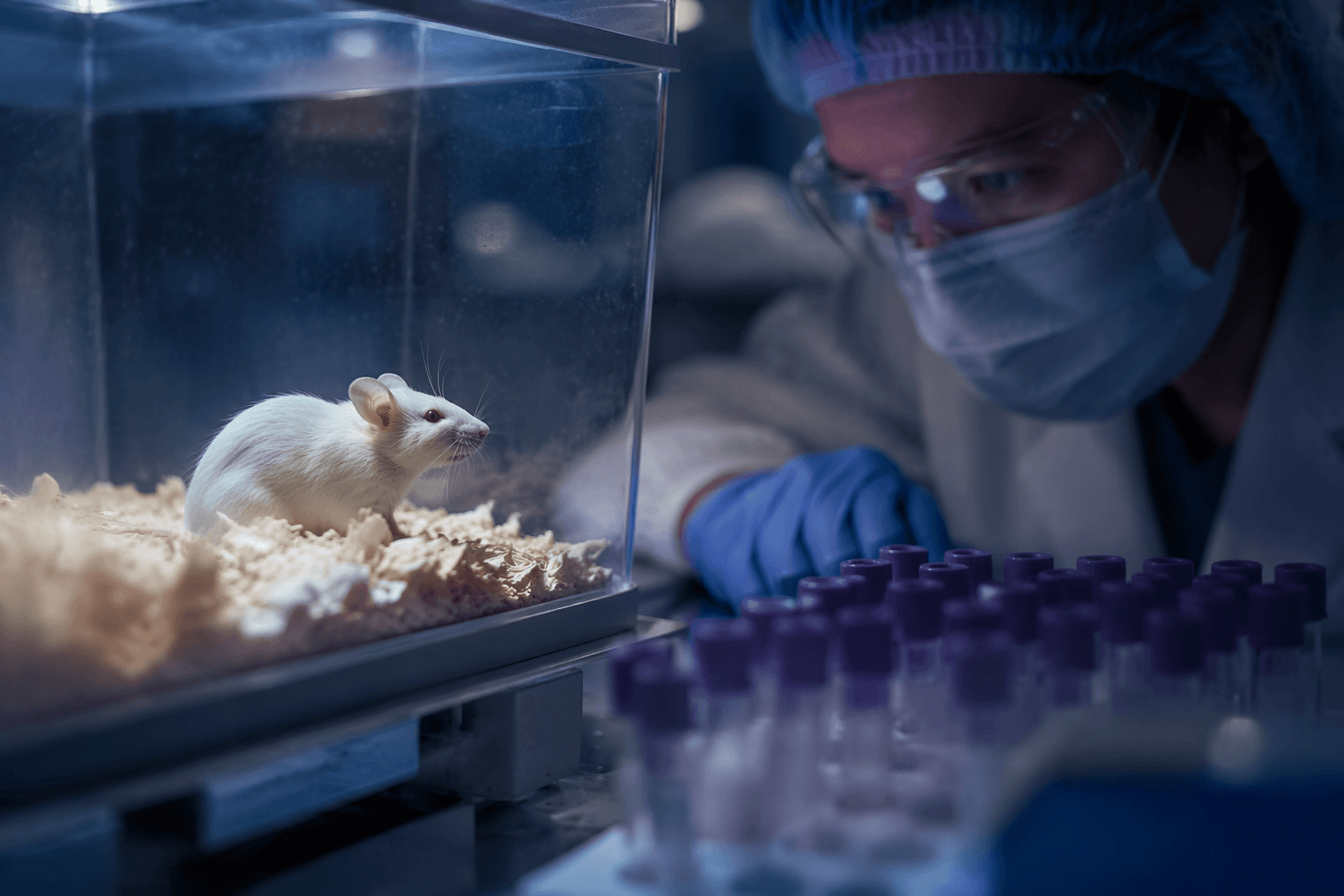
Before this gets mistaken for a family nutrition plan, the result lives in a juvenile mouse model and a human cell line, not in children. Within that tightly defined setup, a ketogenic diet made two cancer drugs work harder, slowed tumor invasion, and improved survival, which is exactly why the finding matters scientifically.
What the study actually tested
The paper from Thomas N. Seyfried and colleagues, including Purna Mukherjee, Bennett Greenwood, Juan Henao, and Michael A. Kiebish, tested nutritional ketosis alongside mebendazole, or MBZ, and devimistat, also called CPI-613. The work used juvenile syngeneic p20-p25 mice as a preclinical model of pediatric high-grade glioma, and it also evaluated the same drug combination in the human pediatric glioma cell line SF-188.
That design matters because it is not a general keto story. It is a very specific diet-drug experiment in a very specific cancer model, with the paper presenting graphical abstract material and video comparisons of treated and control mice to show how the animals differed under the combined approach.
Why pediatric glioma is such a hard target
The disease context is severe. The paper describes pediatric high-grade gliomas as a leading cause of cancer death in children, and SEER says brain and other nervous system cancers are the leading cause of childhood cancer death in the United States. These tumors are also highly heterogeneous and clinically difficult, which helps explain why standard treatment has struggled to move survival much.
Part of the problem is biology. Pediatric high-grade gliomas are infiltrative, meaning they do not sit neatly in one place, and they can spread through cerebrospinal fluid and leptomeningeal pathways. Even when current therapies do help, survivors often pay a steep price in lasting quality-of-life harms, so any approach that can lower toxicity while preserving anti-tumor effect gets attention fast.
How keto fits the biology
The study frames ketogenic therapy as a metabolic strategy, not as a standalone cure. In plain language, the idea is to starve tumor metabolism in two directions at once: glycolysis, the process cells use to burn glucose, and glutaminolysis, the pathway that lets cells use glutamine as another fuel source.
That is the key scientific logic for keto here. A ketogenic diet shifts the body away from relying on carbohydrate fuel, and in this model it was paired with drugs meant to pressure the tumor’s backup energy systems as well. The authors describe the combination as a metabolic vehicle, which is a neat way of saying the diet helps carry the drug strategy further than the drugs could go alone.
What changed in the mice
The biggest result was not subtle. The maximum therapeutic benefit on both tumor invasion and mouse survival occurred only when mebendazole and devimistat were given together with a ketogenic diet. In other words, the diet was not just an accessory in the experiment. It was the condition that unlocked the strongest response.
The combination also allowed lower drug dosing in juvenile mice, which mattered because it minimized toxicity while improving overall survival. That is the kind of tradeoff cancer researchers care about: if a diet can help a drug regimen work at a lower dose, it could point toward a more tolerable treatment strategy, especially in pediatric settings where long-term harm is a major concern.
The paper’s visual material reinforces that message. The graphical abstract and video evidence contrast treated mice with controls, and the treated animals are presented as having less invasive disease behavior than the untreated group. That is an important distinction, because this study is not just about whether tumors shrink in a dish, but whether the disease’s spread through tissue can be blunted in a living model.
Where this line of research comes from
Seyfried’s name is inseparable from metabolic therapy work that includes ketogenic diets, fasting, and caloric restriction. His research program at Boston College has long pushed the idea that cancer can be attacked by changing the body’s fuel environment, not only by escalating conventional drugs.
This paper also builds on earlier preclinical work from the same research line. A 2023 preprint described nutritional ketosis plus mebendazole and devimistat in juvenile mice and reported that invasive VM-M3 glioblastoma cells spread through the brain and spinal column in a way similar to pediatric malignant glioma. The new journal publication strengthens that earlier claim and gives it the formal weight of peer-reviewed publication.
It also fits into a broader clinical conversation. A 2024 framework paper proposed ketogenic metabolic therapy as a diet-drug combination approach for glioblastoma, which shows how the field is moving from a simple “keto for energy” story toward a more targeted metabolic strategy. The pediatric mouse study pushes that idea further into a highly specific childhood brain tumor context.
What the keto community should take from it
For people who follow keto closely, the big takeaway is not that keto has become a cancer treatment. It is that ketogenic therapy is being studied as an adjunct to cancer drugs in a hard-to-treat pediatric brain tumor model, with early evidence that it may improve how those drugs perform. That is a scientific signal, not a green light for families to experiment on their own.
The most important detail is still the narrowness of the result: a juvenile mouse model, one human cell line, one specific tumor context, and one drug combination. But the image the study leaves behind is striking, because it shows a familiar keto concept, fuel restriction, being used in a very different arena, where the question is not weight loss or metabolism but whether a child’s brain tumor can be made less invasive and less lethal.
Every story on Keto Diet Magazine is assembled by an automated editorial system that works from verified research, official records, and credible reporting, then clears automated accuracy and moderation checks before it goes live. The standards that system follows are set and overseen by the people who run the publication. Read our full editorial policy.
Did this article answer your question?