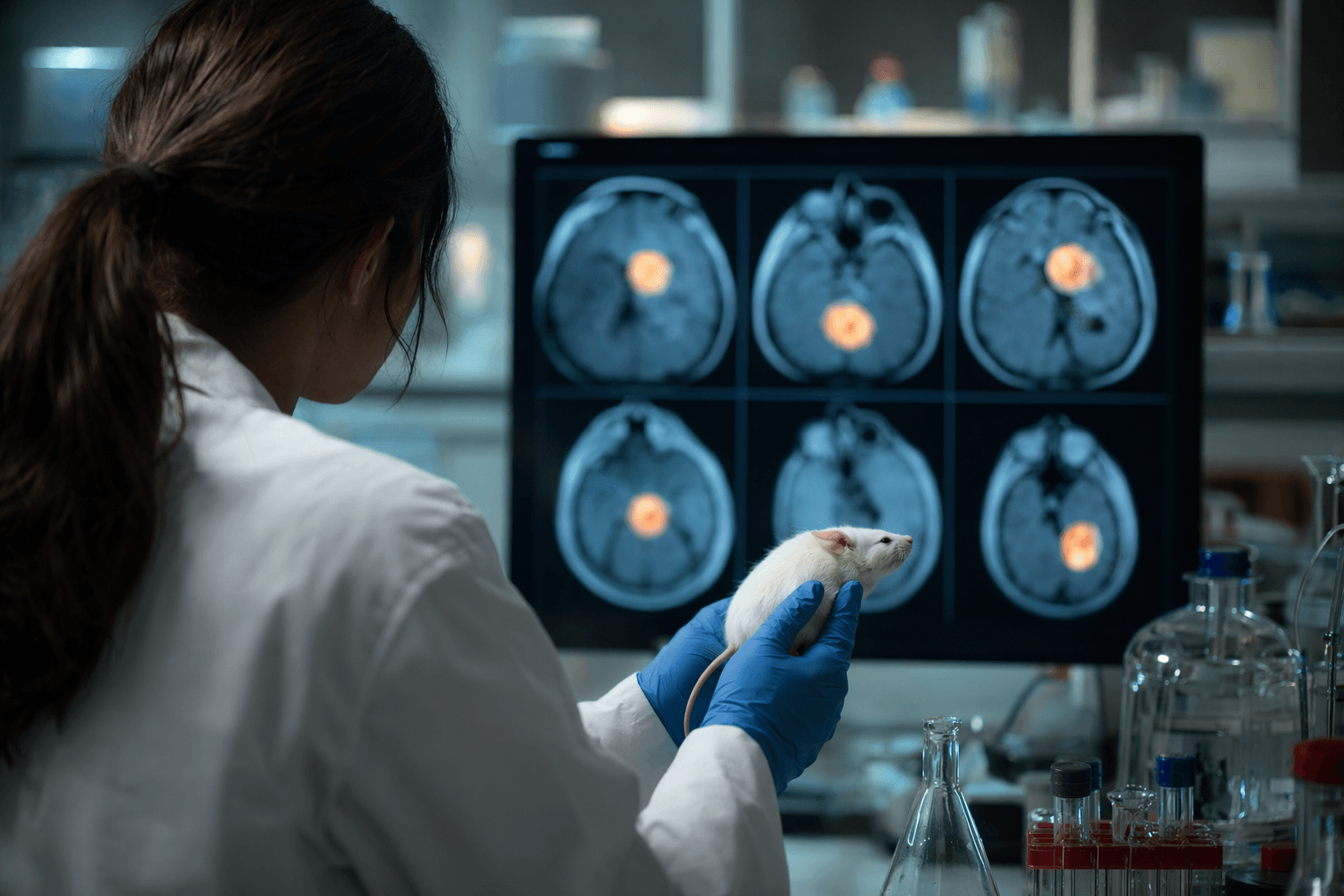
A calorie-restricted ketogenic diet helped an old tumor drug get where it needed to go, into the brain. In mouse models of glioblastoma, the combination of keto and 6-diazo-5-oxo-L-norleucine, better known as DON, cut tumor growth, inflammation, edema and hemorrhage while improving survival.
The work matters because glioblastoma is still one of the toughest cancers in medicine. A 2025 National Comprehensive Cancer Network-associated analysis put average survival at about 15 months and the 5-year survival rate at 7.2 percent. The American Brain Tumor Association describes glioblastoma as a malignant Grade IV tumor that spreads diffusely through brain tissue, which is part of why standard treatment so often falls short. CBTRUS data also show the incidence is about three times higher in adults 65 and older than in adults 40 to 64, underscoring the burden in an aging population.
The Boston College-led team tested the calorie-restricted ketogenic diet, or KD-R, with DON in two syngeneic orthotopic mouse models, VM-M3 and CT-2A. Their logic was metabolic, not magical. The researchers framed glucose and glutamine as the two major fermentable fuels driving glioblastoma growth and invasion, then tried to shut down both energy sources at once while maintaining therapeutic ketosis.
That pairing appears to have done more than just reduce fuel. The diet helped DON reach the brain, which allowed a lower DON dose to work. That point is central, because the blood-brain barrier has long made brain cancer hard to treat. In the mice, the combo was reported as non-toxic and strong enough to target the two cell populations tied to aggressive glioblastoma behavior, cancer stem cells and mesenchymal cells.
DON itself has a long and uneven history. First isolated in the 1950s, it was studied for about six decades as a possible anticancer drug. Earlier phase I and II trials were blunted by dose-limiting nausea and vomiting, which is why researchers have been so interested in better delivery and dosing strategies rather than simply reviving the same old playbook.
The team brought together scientists from Boston College in Chestnut Hill, Harvard Medical School, Berg LLC, Zulia University in Venezuela and the University of Budapest in Hungary. The paper in Communications Biology adds another preclinical argument for the metabolic theory of cancer, the idea that tumors like glioblastoma are driven by abnormal cell metabolism as much as by genetic damage.
Nobody should treat glioblastoma with diet alone. What this study shows is why cancer researchers keep testing metabolic therapy: a carefully designed ketogenic intervention may still have a place as part of a multi-target strategy for a brain cancer that has spent decades outrunning conventional treatment.
Every story on Keto Diet Magazine is assembled by an automated editorial system that works from verified research, official records, and credible reporting, then clears automated accuracy and moderation checks before it goes live. The standards that system follows are set and overseen by the people who run the publication. Read our full editorial policy.
Did this article answer your question?