Keto started as a seizure treatment, not a gut plan
If you’ve spent any time in the keto world, you know how often the diet gets sold as a fix-all. That is where IBS readers get misled. The original ketogenic diet was built as a medical therapy for intractable epilepsy, and Johns Hopkins Medicine marked the ketogenic therapy diet’s 100th birthday on July 27, 2021. Historical reviews also point back to July 1921, when Russell Wilder published the papers that helped establish the idea in epilepsy care.
That history matters because the modern internet version of keto is not the same thing as medically directed ketogenic therapy. At Johns Hopkins in Baltimore, Maryland, the Pediatric Ketogenic Diet Center, started by John Freeman, M.D., helped revive research and clinical use in the early 1990s after decades in which anti-seizure drugs pushed keto into the background. The therapeutic version was designed for seizure control. The lifestyle version is usually marketed for weight loss, performance, or vague “clean eating” claims, and that is a very different bargain for a person with IBS.
What keto actually does in the body
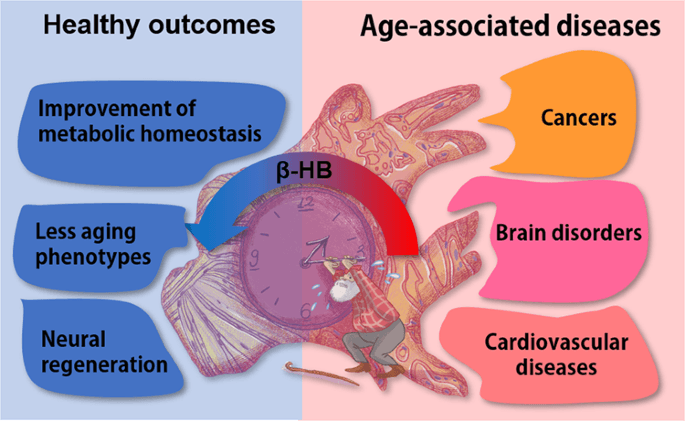
Keto is a high-fat, very-low-carbohydrate diet. When carbohydrate intake drops enough, the body shifts toward making ketone bodies, which become an alternate fuel source. That metabolic shift is the whole point of keto, whether you are following a medically supervised epilepsy protocol or a looser version aimed at weight loss.
The problem for IBS is that “lower carb” does not automatically mean “easier on the gut.” IBS is sensitive to diet composition, fiber intake, fat load, and food triggers. A stripped-down low-carb plate may remove some common irritants, but if it becomes too restrictive, too low in fiber, or too heavy on fat, you can trade one set of symptoms for another.
Why IBS and keto do not line up neatly
This is where the internet hype runs headfirst into medical reality. The American College of Gastroenterology says FODMAPs are not unhealthy or harmful, but they can exacerbate gastrointestinal symptoms in people with sensitive digestive tracts. The American Gastroenterological Association says the low-FODMAP diet is currently the most evidence-based diet intervention for IBS. That is a very different message from the blanket “just cut carbs” advice that floats around keto circles.
The National Institute of Diabetes and Digestive and Kidney Diseases says doctors may suggest that IBS patients eat more fiber, avoid gluten, or try a low-FODMAP diet, and it emphasizes that different dietary changes help different people. It also notes that fiber may improve constipation in IBS by making stool softer and easier to pass. In other words, there is no one-size-fits-all fix here. For some people, a lower-carb pattern may calm things down. For others, the same approach can backfire because the missing piece is fiber, not carbohydrates.
The keto food choices most likely to cause trouble
This is the part people usually want spelled out, because “keto-friendly” does not always mean “IBS-friendly.” The biggest issues tend to come from three places: fat load, low fiber, and ingredients that overlap with your own trigger list.
A very fat-heavy keto day can be rough on a sensitive gut, especially if you are already prone to bloating, urgency, or loose stools. On the other side of the ledger, a keto plan that leans too hard on protein and fat while cutting out fiber can make constipation worse, which is especially relevant if you already deal with IBS-C. And if your keto food choices include ingredients that happen to be high-FODMAP or gluten-containing for your system, you have not escaped the trigger, you have just changed the packaging.
The cleanest takeaway is this: lower carb is not the same thing as gut-friendly. If your symptoms flare, the cause could be the carb cut, the fat load, or one specific food hiding inside the overall plan.
How to figure out what is actually helping, or hurting
If you want a real answer instead of a guess, you have to separate the variables. That means not changing five things at once and then crediting keto for whatever happens. If you switch to low carb, cut gluten, add fiber, and remove certain foods all in the same week, you will never know which change mattered.
A practical way to think about it:
1. Keep the plan simple enough that you can see patterns in your symptoms.
2. Watch for constipation closely, because Cleveland Clinic lists constipation as a possible side effect of ketosis.
3. Pay attention to whether bloating or abdominal pain tracks more with richer meals, which points toward fat load.
4. If your main issues are bloating and pain, a low-FODMAP approach has far stronger support than keto as a general IBS strategy.
5. If constipation is the main problem, do not ignore fiber just because the internet told you carbs are the enemy.
That last point is the one too many keto fans miss. NIDDK’s guidance on IBS is not “eat less carb and call it a day.” It is more nuanced, because gut symptoms are more nuanced.
The bottom line for IBS readers
Keto has a real medical pedigree, but that pedigree comes from epilepsy care, not IBS treatment. Johns Hopkins, Russell Wilder, and the early therapeutic work around ketogenic therapy show how serious the original diet was, and how different it is from the modern weight-loss version. For IBS, the evidence points more strongly toward individualized diet work, especially low-FODMAP strategies and fiber adjustments, than toward keto as a standard answer.
Some people may feel better on a simplified low-carb pattern. That does not make strict ketogenic eating a reliable IBS treatment. If your gut improves, the win may come from cutting a specific trigger, lowering a fat burden, or making stools easier to pass, not from ketosis itself.
Every story on Keto Diet Magazine is assembled by an automated editorial system that works from verified research, official records, and credible reporting, then clears automated accuracy and moderation checks before it goes live. The standards that system follows are set and overseen by the people who run the publication. Read our full editorial policy.
Did this article answer your question?