What this mouse study adds to the keto conversation
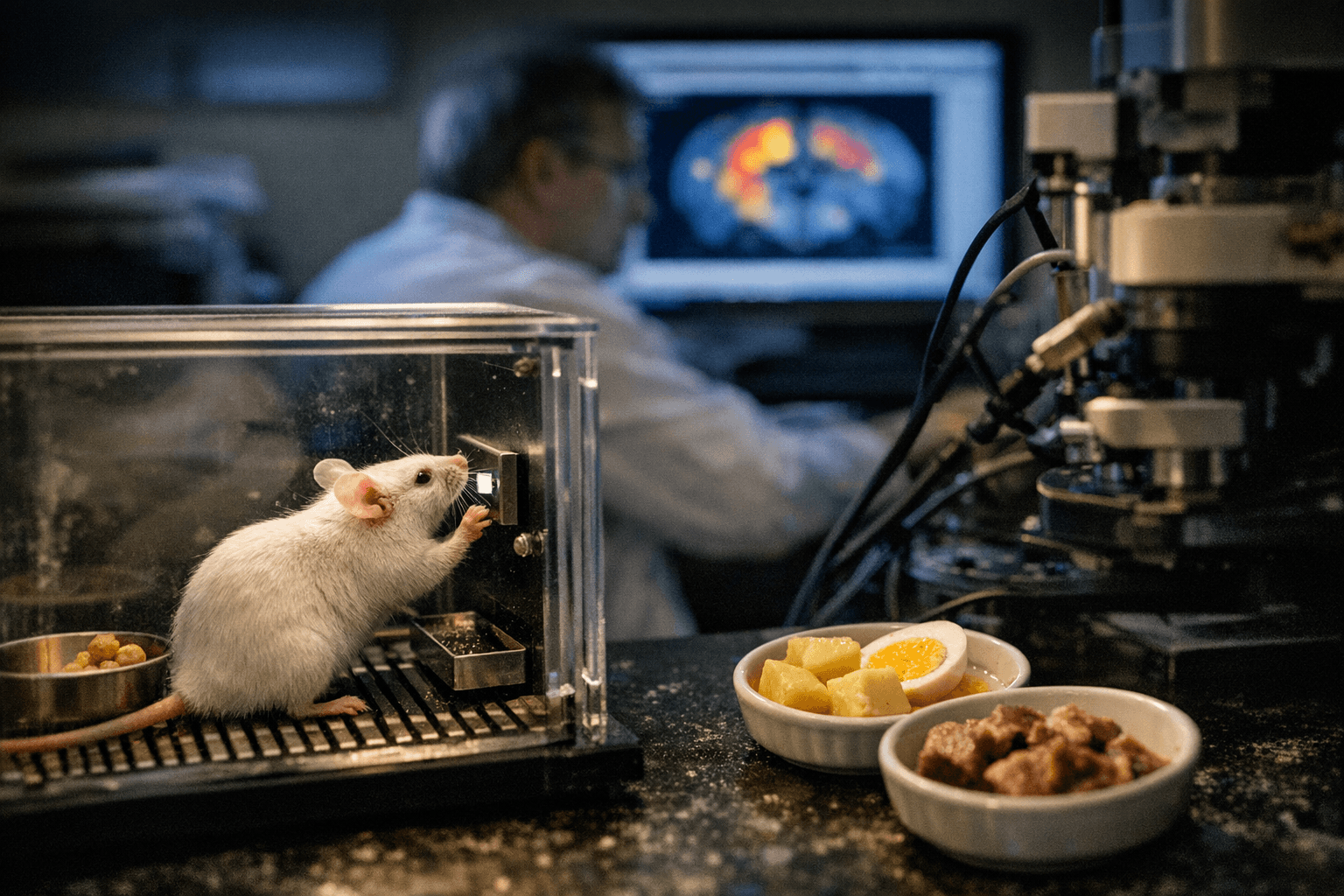
A new paper from Capital Medical University and the Capital Institute of Pediatrics in Beijing points to a striking possibility: ketogenic metabolism may do more than burn fat for fuel, it may also reshape how the brain learns what is rewarding. In mice fed a ketogenic diet, the researchers found strong changes in hippocampal signaling tied to reward learning, with the dopaminergic synapse pathway rising to the top and CAMK2A emerging as a central regulator.
The study, published as article 27(8):3587 in the *International Journal of Molecular Sciences*, was handled quickly, with submission on March 16, 2026, revision on April 1, acceptance on April 15, and publication on April 17. The author list included Yanan Qiao, Yubing Zeng, Chen Chen, Jinying Shen, Yi Wang, Pei Pei, and Shan Wang, and the work gives keto readers a new way to think about why the diet can feel energizing, stabilizing, or strangely difficult to maintain depending on the person.
Inside the pathway: BHB, CAMK2A, and dopamine-linked signaling
The core biochemical player in the paper is beta-hydroxybutyrate, better known as BHB, one of the main ketone bodies produced during ketosis. In HT22 hippocampal neuronal cells, treating the neurons with BHB increased CAMK2A protein expression and boosted phosphorylation of GluA1, a downstream synaptic target that helps carry signaling forward inside neurons.
That detail matters because it suggests ketones are not acting only as an alternate fuel source. They may also be changing the molecular machinery that supports learning, motivation, and synaptic plasticity in the hippocampus, the brain region so often associated with memory but increasingly recognized as part of broader reward and decision-making circuits. The pathway analysis in the ketogenic-diet-fed mice showed the dopaminergic synapse pathway was significantly upregulated, and CAMK2A sat at the center of that network.
Why the behavioral tests matter
The strongest part of the story is that the biology lined up with behavior. When the researchers knocked down Camk2a in the hippocampus of ketogenic-diet-fed mice, the diet’s pro-reward effects disappeared in standard tests such as sucrose preference and conditioned place preference. In plain terms, the mice no longer showed the same reward-related shift.
Just as important, general locomotor activity in the open field test was not impaired. That helps separate reward processing from simple movement or overall activity, which is a useful distinction in mouse work because it suggests the effect is not just that the animals got more active or less sluggish. Instead, the data point toward a specific influence on how the brain assigns value to reward.
What keto readers can take from this without overreading it
For people living the keto lifestyle, this kind of finding lands right in the real-world questions you already know: Why do some people feel less driven by sugar cravings after keto, while others find the diet mentally draining or emotionally flat? This study offers a plausible mechanism, but only in mice, and only for a particular hippocampal pathway involving BHB, CAMK2A, and dopaminergic signaling.
That is the key limit. The paper does not prove that keto improves reward learning in humans, changes motivation in the same way, or will blunt cravings for everyone. It does, however, give future human research a concrete place to look, especially around cognition, motivation, brain-energy metabolism, and the difference between feeling “settled into keto” versus feeling deprived and white-knuckled.
Why this matters beyond weight loss and epilepsy
Keto has long been discussed as a diet for seizure control, but this paper pushes the conversation into a wider brain-behavior frame. The authors’ conclusion is that ketone metabolism may influence reward learning through a defined signaling axis rather than acting as a vague metabolic background effect. For the keto community, that opens the door to thinking about mood, drive, and learning as part of the diet story, not just scale weight or blood ketones.
That broader view also matches other mechanistic work coming out of Washington University School of Medicine in St. Louis. In 2026, researchers there reported a separate hippocampal mechanism in *Cell Reports* showing that ketogenic feeding dampens excitatory neurotransmission by reshaping synaptic biology, including synaptic vesicle pools and related transcriptomic, epigenetic, and physiological changes. Taken together, these studies suggest the keto brain story is getting more specific, with multiple pathways converging on hippocampal circuit function.
How this fits into keto history
The diet behind all of this is not a new trend. The ketogenic diet was formally introduced in 1921 as a fasting-mimicking therapy for epilepsy, and it became established in pediatric epilepsy care in the 1920s and 1930s through early clinical work associated with Russell Wilder. Classic ketogenic therapy has often meant an extremely strict regimen, historically described as about 90 percent of calories coming from fat.
That old-school intensity is part of why the diet still carries such a strong identity in the community. Reviews continue to note that, with strict adherence, some epilepsy patients see seizure reductions of about 50 percent, which helps explain why the diet remains more than a wellness fad. At the same time, modern reviews are tracking ketogenic therapy far beyond epilepsy, including Alzheimer’s disease, depression, schizophrenia, obesity, and malignancy.
The bigger takeaway for the keto world
This study’s real value is that it makes keto feel less mysterious and more mechanical. Instead of treating cravings, motivation, or mental clarity as side effects people just happen to report, it points to a possible brain pathway that could be tested, measured, and eventually refined. BHB may be doing more than keeping ketosis going, and CAMK2A may be one of the switches that helps determine whether the diet feels sustainable or psychologically rough.
Still, the caution matters as much as the excitement. These are mouse results, not proof of the same effect in people, and the human brain is not a scaled-up hippocampus in a lab cage. For now, the study offers a compelling map of how keto might talk to reward circuitry, and a reminder that the diet’s most interesting effects may live not just in the body, but in the brain’s machinery for wanting, learning, and staying on course.
This article was produced by Prism’s automated news system from verified source data, official records, and press releases, then run through automated quality and moderation checks before publishing. The system is built and supervised by the people who set the standards it runs under. Read our full AI policy.
Know something we missed? Have a correction or additional information?
Submit a Tip

%3Amax_bytes(150000)%3Astrip_icc()%2F1036682-d776599ed42a484b88430e2a23025ed2.jpg&w=1920&q=75)