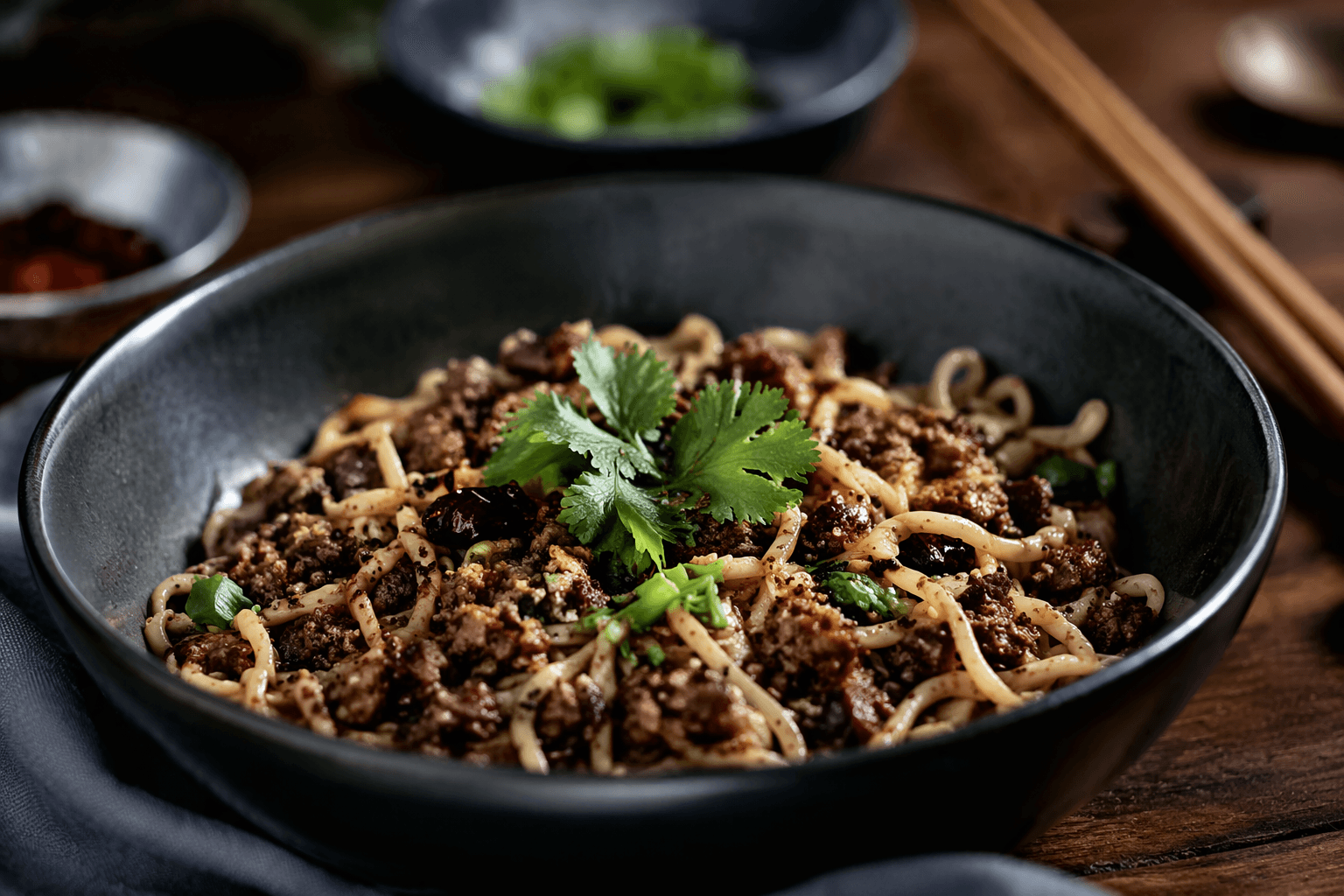
Keto spicy cumin lamb noodles hit the exact craving many people miss most after cutting carbs: the oily, deeply savory, restaurant-style bowl that feels like a real dinner, not a compromise. MSN’s listing leans hard into that appeal with tender lamb, aromatic spices and grain-free noodles, while another version pushes the same idea through high-heat cooking and fragrant spices for a stir-fry feel that delivers depth without wheat.
Why this bowl lands so well on keto
The strength of this dish is that it does not try to apologize for being low-carb. Instead, it builds the same kind of bold satisfaction people expect from takeout by focusing on heat, aroma and richness. Lamb brings natural fat and a fuller flavor than leaner proteins, so the bowl feels substantial even before the noodles come into play.
That matters in keto cooking because the best recipes are often the ones that solve the emotional part of eating, not just the macro math. A cumin-forward lamb stir-fry with chili heat gives you the punch of a takeout order, but in a format that fits a lower-carb plate. The result is the kind of dinner that keeps a keto plan feeling like real food, not a string of substitutions.
What makes the noodles hold up
The noodle choice is doing important work here. Grain-free noodles, including shirataki or other low-carb substitutes, give the dish its familiar structure without loading the bowl with starch. Shirataki noodles are translucent Japanese noodles made from konjac, and they are commonly used in soups or stir-fries, which makes them a natural fit for a hot, fast-cooked lamb dish like this one.
That texture matters more than many people expect. In a dish built around searing and spice, the noodles need to catch sauce and carry flavor without collapsing into mush. Shirataki and similar low-carb noodles do that job well enough to make the bowl feel complete, especially when the lamb and spices are doing the heavier lifting.
For home cooks, that is the practical win. Once the spice base and the sear are right, the noodle substitute stops being the main event. The dish reads like a full, indulgent meal because the flavor profile is doing the work that wheat noodles usually do in a carb-heavy version.
How to make the flavor feel indulgent, not dutiful
The key is intensity. Cumin and chili notes bring warmth, depth and a little burn, while the lamb adds richness that helps the bowl taste finished. High-heat cooking is part of the formula too, because quick searing builds the browned, savory edges that make stir-fried food taste like it came from a busy kitchen.
That approach is especially useful for keto because low-carb cooking can fall flat when it is too cautious. This dish avoids that trap by leaning into aromatics and fast cooking instead of trying to imitate a noodle bowl with restraint. The payoff is a meal that feels satisfying enough to stand in for takeout.
- Use a noodle base that can handle sauce and heat.
- Build flavor with cumin, chile and other aromatic spices.
- Keep the lamb front and center for richness and satiety.
- Cook fast and hot so the dish gets that restaurant-style depth.
Where it fits in the keto playbook
The broader keto context explains why recipes like this are showing up with more appeal. Mayo Clinic describes keto as typically limiting carbohydrates to less than 50 grams per day, and its Healthy Keto meal plan keeps net carbs around 50 grams per day over a four-week plan. That leaves limited room for traditional noodle bowls, which is exactly why a grain-free version feels so useful.
At the same time, this is not the kind of eating pattern everyone should treat casually. The American Heart Association places very low-carb and ketogenic diets in the fourth, or bottom, tier for heart-healthy alignment. Harvard Health has also warned that keto can be high in saturated fat and may not be safe for some people with heart disease. Those cautions do not erase the appeal of a dish like this, but they do put it in context: the bowl works best as part of a deliberate plan, not as a free pass.
Why the flavor profile feels familiar
There is also a cultural thread running through the dish that gives it extra resonance. Uyghur cooking commonly uses cumin, dried chiles, lamb and hand-pulled noodles, which makes this keto version feel like a low-carb riff on a real regional flavor language rather than a made-up fusion idea. Laghman, a noodle dish made with meat, often lamb or beef, vegetables and spices, is found across Central Asia, including places such as Uzbekistan, Tajikistan, Turkmenistan, Afghanistan, northeastern Afghanistan and northern Pakistan.
That matters because the dish is not just borrowing heat for effect. It is drawing from a tradition where lamb and noodles already belong together, then swapping in a keto-friendly noodle base to keep the structure intact. The result is familiar in the best way: bold, savory and built for people who want comfort food that still respects the plan.
Keto spicy cumin lamb noodles work because they understand the real craving. The bowl does not try to hide its low-carb structure, but it still delivers the oily spice, rich meat and slurpable comfort people miss when they cut carbs. That is what makes it feel like takeout, only sharper, leaner and much easier to keep on repeat.
Every story on Keto Diet Magazine is assembled by an automated editorial system that works from verified research, official records, and credible reporting, then clears automated accuracy and moderation checks before it goes live. The standards that system follows are set and overseen by the people who run the publication. Read our full editorial policy.
Did this article answer your question?