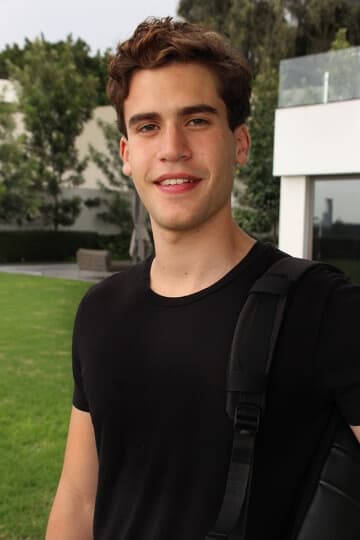
Harvard’s School of Engineering and Applied Sciences in Cambridge, Massachusetts, is spotlighting a student startup that is trying to do something the keto market still handles badly: make a meal-support shake that is both plant-based and ketogenic. Andres Rosales came to the idea during an internship at a health company, where he saw clinicians increasingly looking at ketogenic diets to help patients manage, and sometimes reverse, type 2 diabetes.
That observation exposed the gap Rosales noticed next. Many of the meal-support products commonly recommended to diabetic patients did not fit a plant-based, keto-friendly approach. For people who use shakes because they need something quick, portable and nutritionally reliable, that mismatch matters. In keto terms, the formula has to do more than stay low in carbohydrates. It has to carry enough fat to support ketosis, bring enough protein to count as a real meal, and still taste good enough to repeat.

The basic tension is familiar to anyone who has lived on low-carb convenience foods. UC Davis describes the ketogenic diet as a strict eating pattern that is high in fat, moderate in protein and low in carbohydrates. That sounds simple on paper, but plant-based versions are hard to build well. Once dairy is out of the picture, product designers have to solve for satiety, texture and clean ingredient lists without blowing up the carb count. That is the real test for any keto shake that wants to be more than a lab exercise.
The timing also fits a broader shift in medical and nutrition thinking. Harvard T.H. Chan School of Public Health has pointed to plant-based low-carbohydrate diets and a lower risk of premature death for people with type 2 diabetes. The Institute for Functional Medicine says many clinicians are already using ketogenic diets therapeutically for patients with insulin resistance and type 2 diabetes. Clinical Guidelines for Therapeutic Carbohydrate Restriction, published Sept. 25, 2020, show how far low-carb eating has moved from fad status into protocol-driven care.
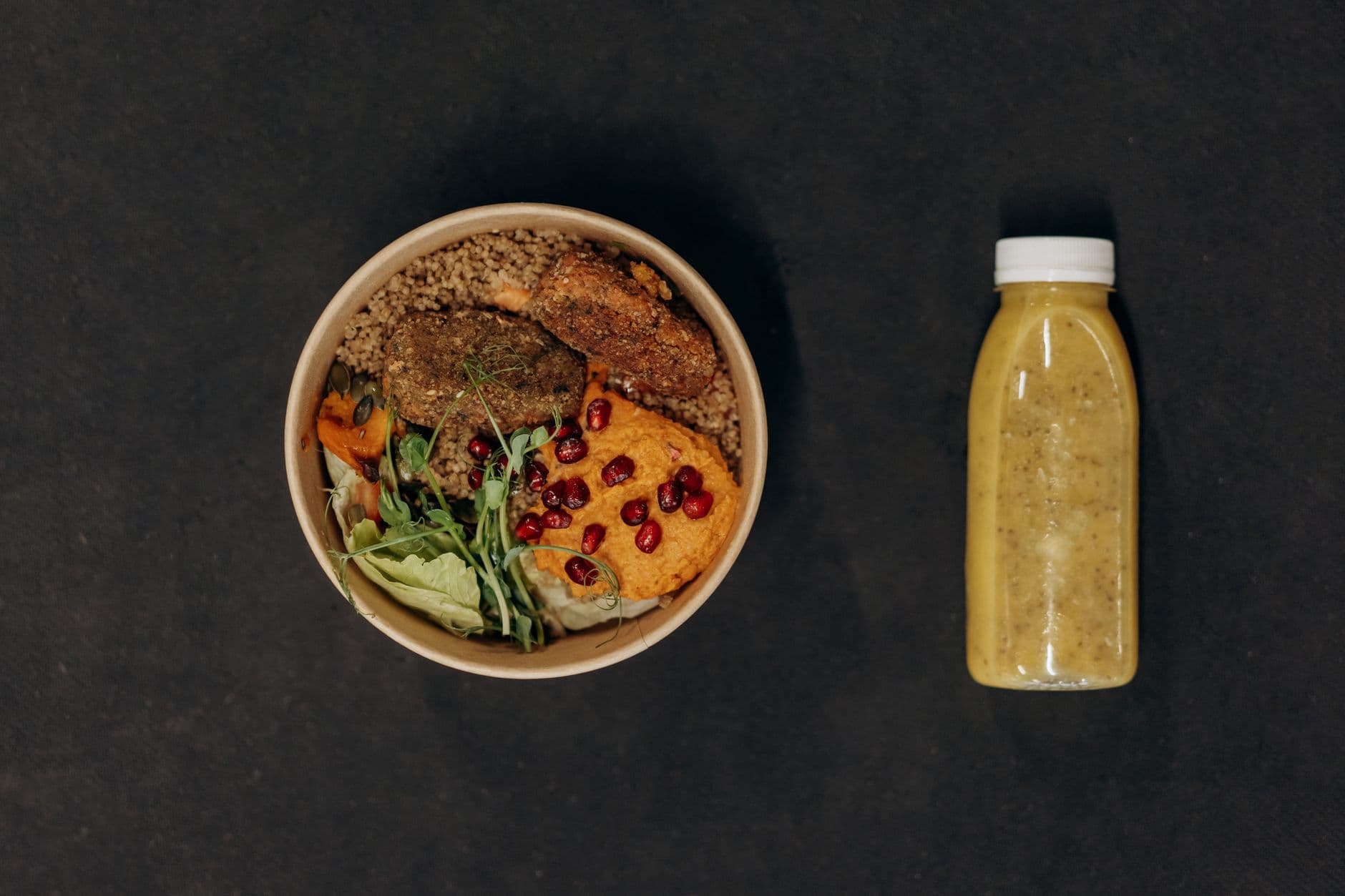
Rosales’s startup sits right in that overlap between engineering, nutrition and product design. Harvard SEAS is presenting the shake as a student-built answer to a very practical question: what should a keto patient drink when convenience matters, but dairy-heavy or off-plan products do not fit the goal? That is a narrower problem than “reinvent nutrition,” but it is the kind that can actually move daily keto eating forward.
Every story on Keto Diet Magazine is assembled by an automated editorial system that works from verified research, official records, and credible reporting, then clears automated accuracy and moderation checks before it goes live. The standards that system follows are set and overseen by the people who run the publication. Read our full editorial policy.
Did this article answer your question?