Jenn Allen’s comfort-food roundup keeps low-carb dinners looking like full plates instead of diet food. It leans on pork, chicken, salmon, cod, steak, squash, cauliflower, zucchini, salads, and quick vegetable sides to keep the plate full without the usual starches. It replaces pasta, potatoes, and bread without giving up the texture, richness, or family-table comfort that makes a meal worth repeating.
What makes a swap feel real
The best keto dinners in this group do not rely on trickery. They work because they preserve the parts of comfort food people actually miss: a glossy gravy, a sticky barbecue glaze, a creamy or crisp side, and a plate that still looks complete. That is why the selection stretches across roast pork, barbecue chicken, salmon, cod, steak, squash, cauliflower, zucchini, salads, and simple vegetable sides instead of trying to force every meal into the same format.
That mix matters most on nights when not everyone at the table is eating low-carb. A dinner that reads as normal roast supper, barbecue plate, or hearty protein-and-vegetable spread can satisfy the keto eater without turning the rest of the family into bystanders.
The roast dinner energy stays intact
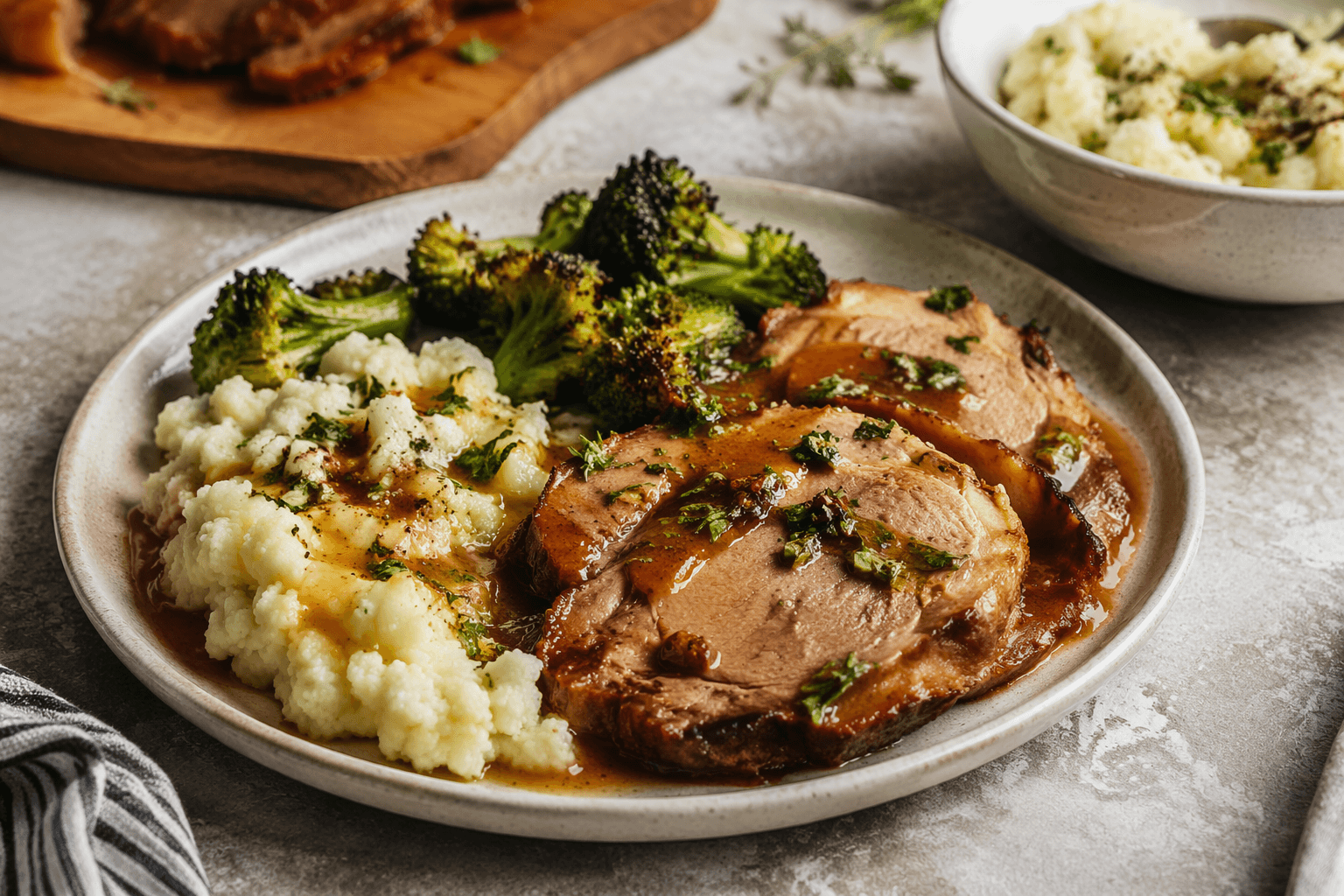
German Pork Loin is the clearest example of a swap that does not feel like one. It still behaves like a slow-cooked roast dinner, complete with gravy, but the keto adjustment is simple and practical: xanthan gum takes the place of flour in the gravy. That change keeps the sauce thick without bringing the starch baggage that usually pushes a roast plate out of keto territory.
The meat looks generous, the gravy still clings properly, and the meal keeps the familiar structure of protein plus sauce plus vegetable side.
Barbecue still belongs on the menu
Air Fryer BBQ Chicken lands in the same sweet spot. The recipe leans on smoke and sweetness, but the low-sugar barbecue sauce keeps it in lower-carb territory instead of letting it drift into full barbecue-plate excess. That balance keeps it tasting like barbecue chicken.
The air fryer helps the dish feel weeknight-friendly rather than fussy. You get the familiar sauce, the browned edges, and the kind of dinner that does not need a second explanation at the table. For mixed households, that is a major advantage: it can sit next to a non-keto plate and still look like the same meal.
Sides do the heavy lifting
Cauliflower with Lemon and Dill is doing more than standing in for a vegetable. It is presented as a quick substitute for the starch-heavy side dish that usually anchors the plate, and that is a bigger job than it sounds. The goal is not to imitate potatoes bite for bite, but to give the meal a bright, substantial side that keeps the whole dinner from feeling stripped down.
Shirazi Salad plays a different role, and it is just as important. Its freshness, acid, and crunch cut through richer mains and can stand in for heavier accompaniments that would normally bring balance to the plate. When a keto dinner feels heavy on meat, a sharp salad like this keeps the meal from collapsing into monotony.
Squash, cauliflower, zucchini, salads, and quick vegetable sides make the plate feel full without leaning on starch.
Why the low-carb label still needs a little discipline
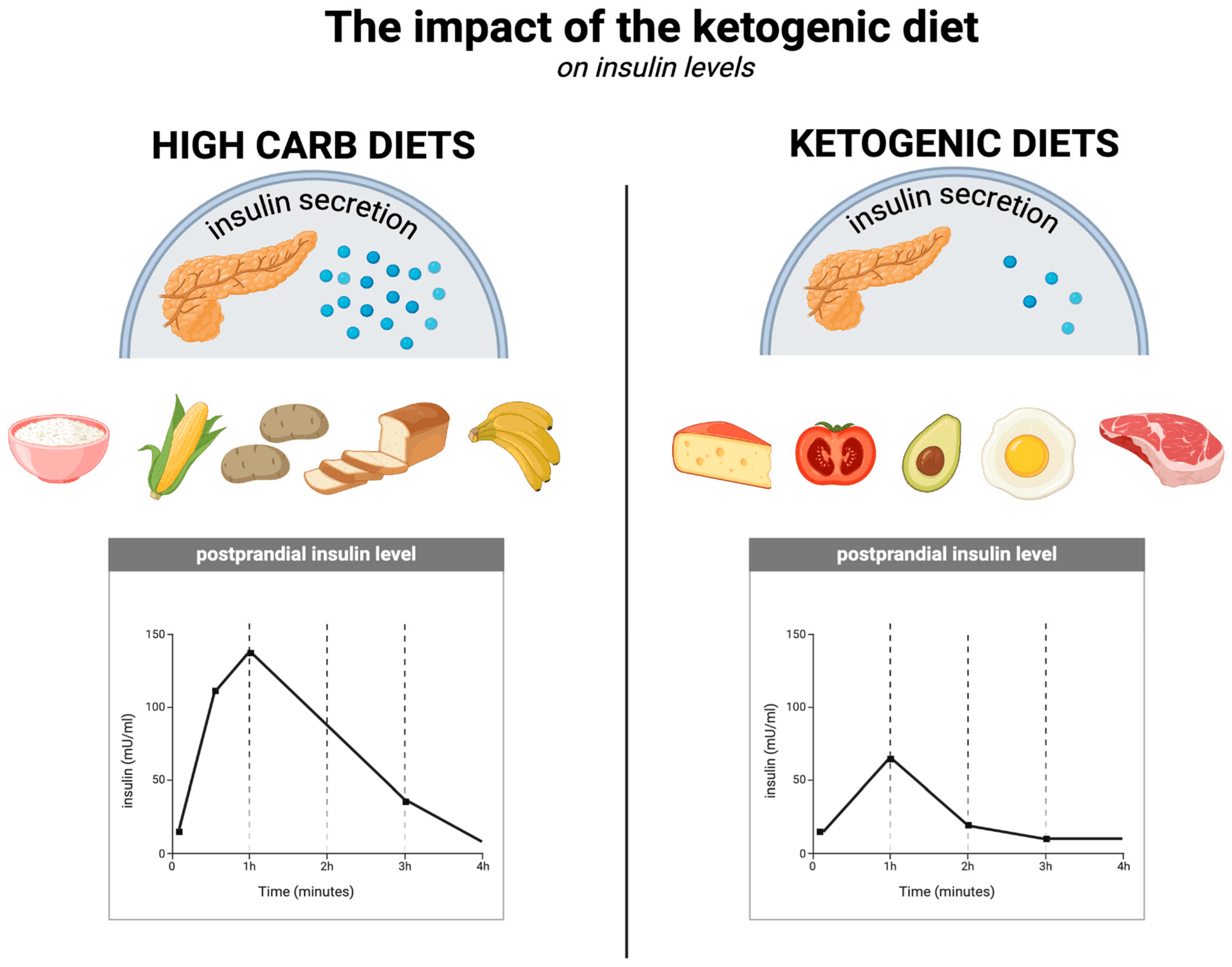
There is a useful distinction between low-carb and true ketogenic eating, and this recipe set sits right where many home cooks actually live. Low-carb eating patterns can help improve A1C, and the American Diabetes Association’s very-low-carb pattern often lands around 20 to 50 grams of non-fiber carbs per day. Low-carb eating limits carbs from grains, starchy vegetables, and fruit while emphasizing protein and fat.
Keto is tighter than that. A true ketogenic plan can draw as much as 90 percent of daily calories from fat in Harvard Health’s description, and medical reviews usually describe keto as roughly 55 to 60 percent fat, 30 to 35 percent protein, and 5 to 10 percent carbohydrates. That is why so many recipes marketed as keto are really low-carb adaptations with a keto-friendly bent, not strict ketogenic meals in the clinical sense.
That distinction also explains the caution around these diets. Lowering carbs can also lower fiber, and if vegetables are not part of the plan, nutrient gaps can creep in fast.
A long history, now on a weeknight plate
Ketogenic eating is not some brand-new internet invention. Its roots go back to 19th-century use for diabetes, and it was introduced in 1920 as a treatment for drug-resistant epilepsy in children. Ketogenic diets were first used clinically for pediatric drug-resistant epilepsy in the 1920s, which is a long way from today’s air fryer chicken and roast pork.
Every story on Keto Diet Magazine is assembled by an automated editorial system that works from verified research, official records, and credible reporting, then clears automated accuracy and moderation checks before it goes live. The standards that system follows are set and overseen by the people who run the publication. Read our full editorial policy.
Did this article answer your question?