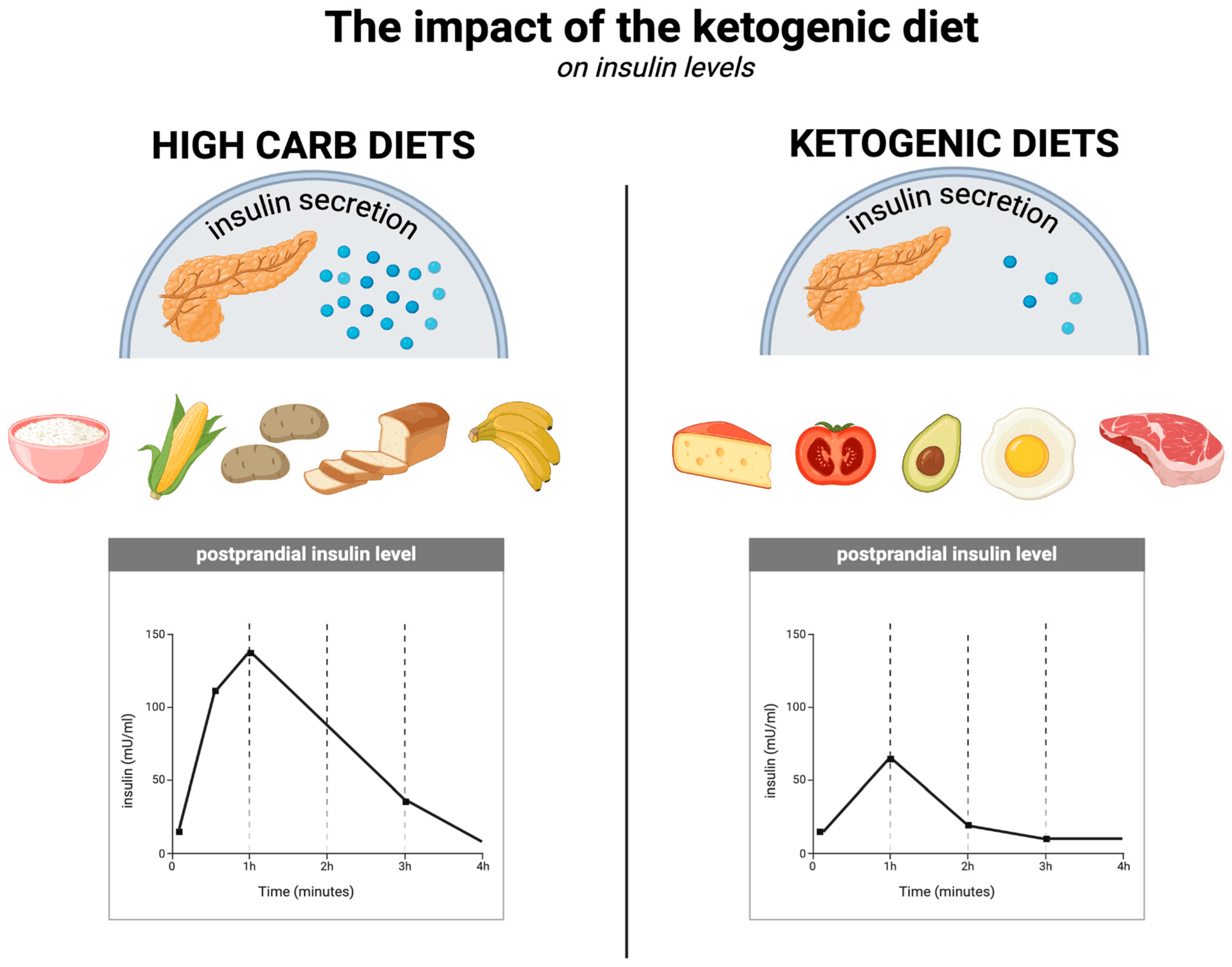
A randomized phase II trial is comparing progression-free survival on a ketogenic diet versus a non-ketogenic diet in metastatic pancreatic cancer. Cancer and carbohydrate talk gets overheated fast, especially online, where “cut carbs and starve the tumor” can sound more certain than the science allows. Cancer cells often depend heavily on glucose, insulin and IGF-1 can act as growth signals, and ketogenic eating changes that metabolic landscape, but none of that turns keto into a proven cancer treatment.
What “feeding cancer” actually means
The phrase sounds blunt, but the biology is not. In cancer metabolism, the question is not whether every carbohydrate directly becomes tumor fuel in a simple one-to-one way; it is how glucose availability, blood sugar swings, and insulin signaling may influence the environment cancer cells grow in. That is why the conversation keeps circling back to refined carbs, sugary foods, and the difference between overall carbohydrate load and the quality of those carbs.
Glycemic index and glycemic load matter here because they shape how quickly blood sugar rises and how much insulin the body has to produce in response. Lower-GI and lower-GL foods can help keep those levels steadier, which is one reason carbohydrate restriction attracts attention in cancer research. In cancer trials, ketogenic diets are high fat, moderate protein, and low carbohydrate, designed to shift the body toward ketones instead of glucose.
Why glucose keeps showing up in cancer research
Cancer cells often lean hard on glucose, a pattern commonly linked to the Warburg effect. That does not mean sugar alone causes cancer, and it does not mean every tumor behaves the same way, but it does explain why glucose metabolism has become such a central research target. If a tumor’s growth is tied to how it processes fuel, then glucose and the hormones that respond to it are worth studying.
Insulin and IGF-1 sit at the center of that discussion. When carbohydrate intake is high, especially from refined or sugary sources, those signals can rise, and researchers continue to examine whether that growth-promoting environment matters in certain cancers. Keto enters the picture because it can lower blood sugar and insulin in some cancer-trial contexts, which makes it scientifically interesting even when the clinical outcome question is still open.
What the animal studies do, and do not, show
In 2022, mouse research suggested that beta-hydroxybutyrate, a ketone produced during ketogenic dieting, may inhibit colorectal cancer development in animals. Separate research found that ketogenic diets strongly resisted colorectal cancer in mice.
Mouse data can identify a mechanism worth pursuing, yet it cannot tell you whether a person with cancer will benefit from the same dietary strategy. It also cannot settle the practical problem that a diet designed to restrict carbohydrate may be hard to maintain for someone already struggling to eat, hold weight, or preserve muscle.
Where human evidence stands right now
A 2025 phase 1 breast cancer trial said clinical evidence supporting ketogenic diets for cancer patients is limited. A 2026 randomized clinical trial looked at a very low-carbohydrate ketogenic diet as a feasibility study in treatment-naive women with endometrial cancer.
The National Cancer Institute is also running or listing active trials:
- DIET2TREAT, a ketogenic diet combined with standard-of-care therapy for newly diagnosed glioblastoma.
- A phase I ketogenic dietary intervention with immunotherapy in metastatic melanoma and kidney cancer.
- A randomized pilot trial of a ketogenic diet in overweight or obese patients with stage I-IVB endometrial cancer.
Why caution matters in real cancer care
Cancer and cancer treatment can change nutrition needs in ways that make strict dieting risky. Nutrition in cancer care can be affected by the tumor or by treatment and can lead to weight loss, malnutrition, anorexia, cachexia, and sarcopenia. That is a very different context from general keto forums or weight-loss podcasts, and it is one reason a restrictive plan can backfire for some patients.
The American Cancer Society says about 1 in 5 cancers are linked to excess body weight, physical inactivity, unhealthy diet, and drinking too much alcohol, so diet absolutely remains part of the cancer conversation. But survivor guidance from the ACS frames healthy lifestyle choices as part of broader survivorship, not as a stamp of approval for ketogenic treatment.
Every story on Keto Diet Magazine is assembled by an automated editorial system that works from verified research, official records, and credible reporting, then clears automated accuracy and moderation checks before it goes live. The standards that system follows are set and overseen by the people who run the publication. Read our full editorial policy.
Did this article answer your question?