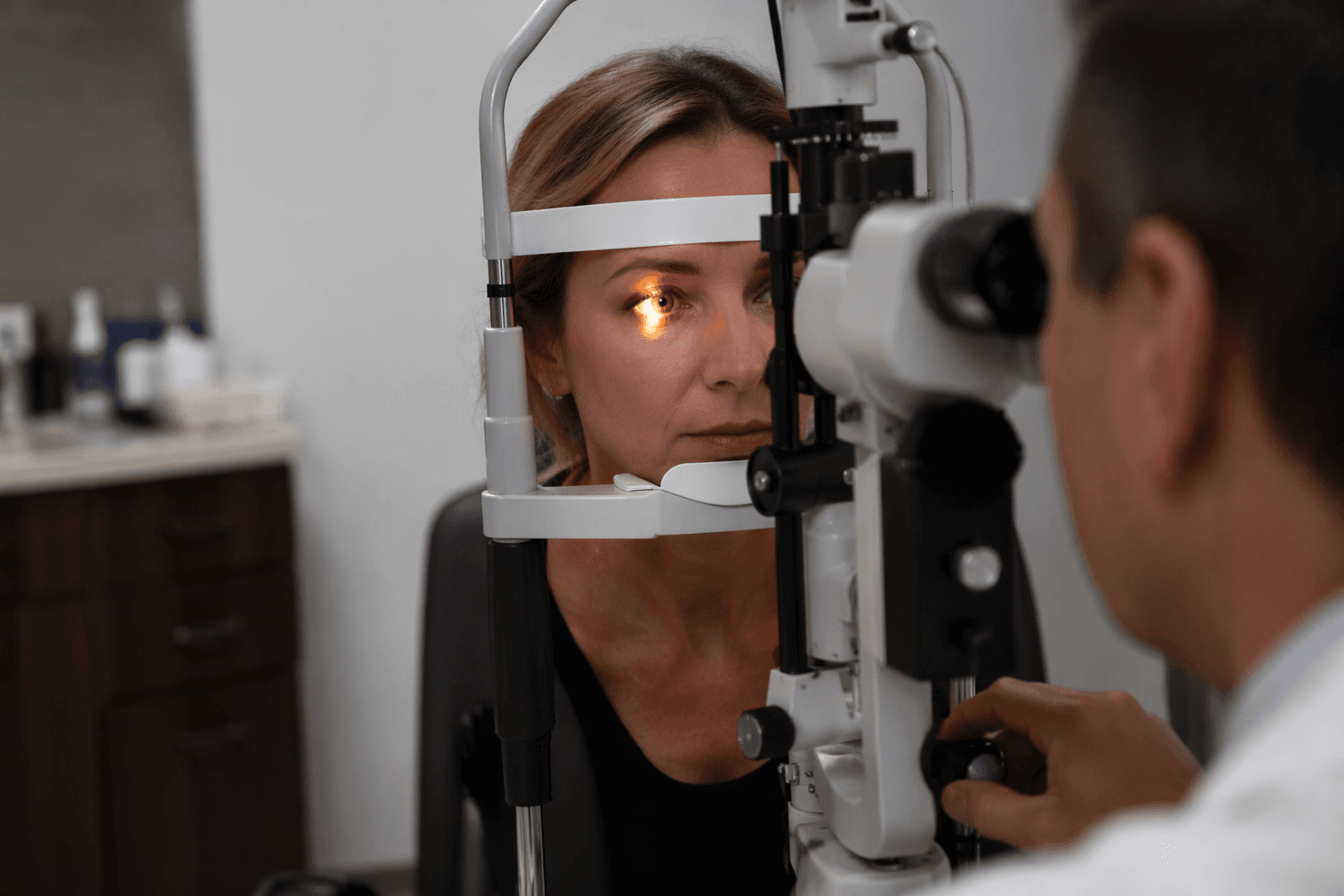
The Oklahoma Medical Research Foundation has landed a $470,000 National Eye Institute grant to test whether a ketogenic diet can help protect vision in multiple sclerosis. The two-year project, led by Scott Plafker, Ph.D., R.Ph., is built around optic neuritis, the inflammatory attack on the optic nerve that can hit up to 70% of people with MS and leave them with pain, blurred vision or sudden vision loss.
That is the part researchers want to get ahead of. In current practice, acute optic neuritis is commonly treated with high-dose corticosteroids because they can speed visual recovery, but the National Eye Institute has said oral corticosteroids alone were ineffective in a clinical trial and raised the risk of future attacks. Plafker’s group is trying to find a non-steroidal route that lowers inflammation before the nerve takes irreversible damage.
The grant follows earlier work from Plafker’s lab showing that mice fed a low-carbohydrate, high-fat ketogenic diet had less inflammation and significantly milder symptoms in an MS-like mouse model. OMRF has also reported that the diet changed the gut microbiome in a way that increased bacteria producing indole compounds. Those metabolites appeared to circulate through the bloodstream and reduce inflammation around the optic nerve while supporting recovery.
The new study will test whether those indoles, or similar compounds, can be turned into supplements or therapies that capture some of the same effect without forcing patients into a strict ketogenic diet. That makes the project less about a diet trend and more about whether ketosis can be translated into a practical treatment strategy for a specific, high-stakes neurologic problem.
Gabriel Pardo, who leads OMRF’s Multiple Sclerosis Center of Excellence, said he was hopeful the work could point toward a more natural treatment with fewer side effects and a better understanding of the microbiome-inflammation connection. OMRF has said Plafker’s research program is also aimed at explaining how very low-carbohydrate diets affect both motor and visual deficits in MS.
The timing matters because optic neuritis is often one of the first clues that MS is in play. The National Institute of Neurological Disorders and Stroke says MS is an autoimmune disorder that usually begins in adults ages 20 to 40, which is exactly why scientists keep coming back to the optic nerve as an early window for intervention. The question now is whether a keto-driven shift in metabolism and gut chemistry can do more than support symptoms in mice and actually protect vision before the damage is done.
Every story on Keto Diet Magazine is assembled by an automated editorial system that works from verified research, official records, and credible reporting, then clears automated accuracy and moderation checks before it goes live. The standards that system follows are set and overseen by the people who run the publication. Read our full editorial policy.
Did this article answer your question?