The sharpest takeaway here is not that keto “cured” a rare brain disease. It is that a classical ketogenic diet, added only after tacrolimus had already helped, was part of a tightly managed neurologic rescue plan for a 46-year-old woman with adult Rasmussen’s encephalitis. In that setting, seizure burden dropped again, cognition held steady, and the patient stayed clinically stable for nearly five years.
A rare case where keto entered the picture late
The July 10 case report in *Case Reports in Neurology* followed a 46-year-old woman with focal non-motor seizures and progressive cognitive impairment. Her workup was classic high-stakes epilepsy medicine: neuroimaging showed progressive left hemispheric atrophy with hippocampal and mammillary involvement, continuous EEG showed persistent left frontotemporal epileptogenic activity, and cerebrospinal fluid testing showed intrathecal antibody synthesis.
The treatment sequence matters. Oral tacrolimus came first and cut the reported seizure burden from about 30 to 40 episodes a day to 15 to 20. Only after seizures persisted, and multiple antiseizure medications were not well tolerated, did the team add a classical ketogenic diet as adjunctive therapy. Six months later, the diet was associated with another seizure reduction of about 50 percent, plus subjective stabilization of cognitive symptoms.
Why this is not everyday lifestyle keto
This is the boundary line that needs to stay bright. The case involved a medically supervised therapeutic ketogenic diet, not a casual low-carb reset, and it was paired with immunomodulatory treatment for a rare immune-mediated neurologic disorder. The Epilepsy Foundation defines the classic ketogenic diet as a special high-fat, low-carbohydrate plan prescribed by a physician and carefully monitored by a dietitian, which is exactly the kind of oversight this case assumes.
The International League Against Epilepsy also frames ketogenic diet therapy as an epilepsy treatment option, usually for seizures that are not controlled by antiseizure medications, and notes that it is used more often in children than adults. That matches the practical reality here: the diet was not used as a solo wellness tool, but as one more lever in a difficult adult epilepsy case where standard drugs were not enough.
What Rasmussen’s encephalitis actually is
Rasmussen’s encephalitis is a rare immune-mediated neurological disorder marked by refractory focal epilepsy, progressive neurological deficits, and unilateral cerebral atrophy. Adult-onset disease accounts for fewer than 10 percent of reported diagnoses, which is one reason these cases remain so under-characterized and so hard to manage cleanly.
A major *Brain* review estimated the annual incidence at about 2.4 cases per 10 million people. The accepted 2005 Bien diagnostic framework leans on seizures, clinical deficits, EEG, neuroimaging, and pathology, which is a good reminder that this diagnosis is built from multiple data streams rather than one clean lab test. In adult cases, that complexity often gets worse, not better, because the presentation can be later and more variable than the classic pediatric form.
Where keto fits in the epilepsy toolbox
Ketogenic therapy has a long neurologic history. The International League Against Epilepsy traces its use in the United States back to 1921, its decline to the 1940s as antiseizure drugs took over, and its resurgence to the 1990s. That history is part of why keto still has real medical credibility in epilepsy even when the broader wellness world turns it into a trend.
In hard epilepsy, the classical ketogenic diet is not sold as magic. It is a structured, high-fat, low-carbohydrate intervention that can be used when seizures do not respond well to medication, and it is monitored for adherence, tolerability, and clinical effect. In this case, the diet came in only after tacrolimus had already made a measurable dent in the seizure count, which is the right way to read the result: add-on therapy, not replacement therapy.
What the case suggests about anti-inflammatory potential
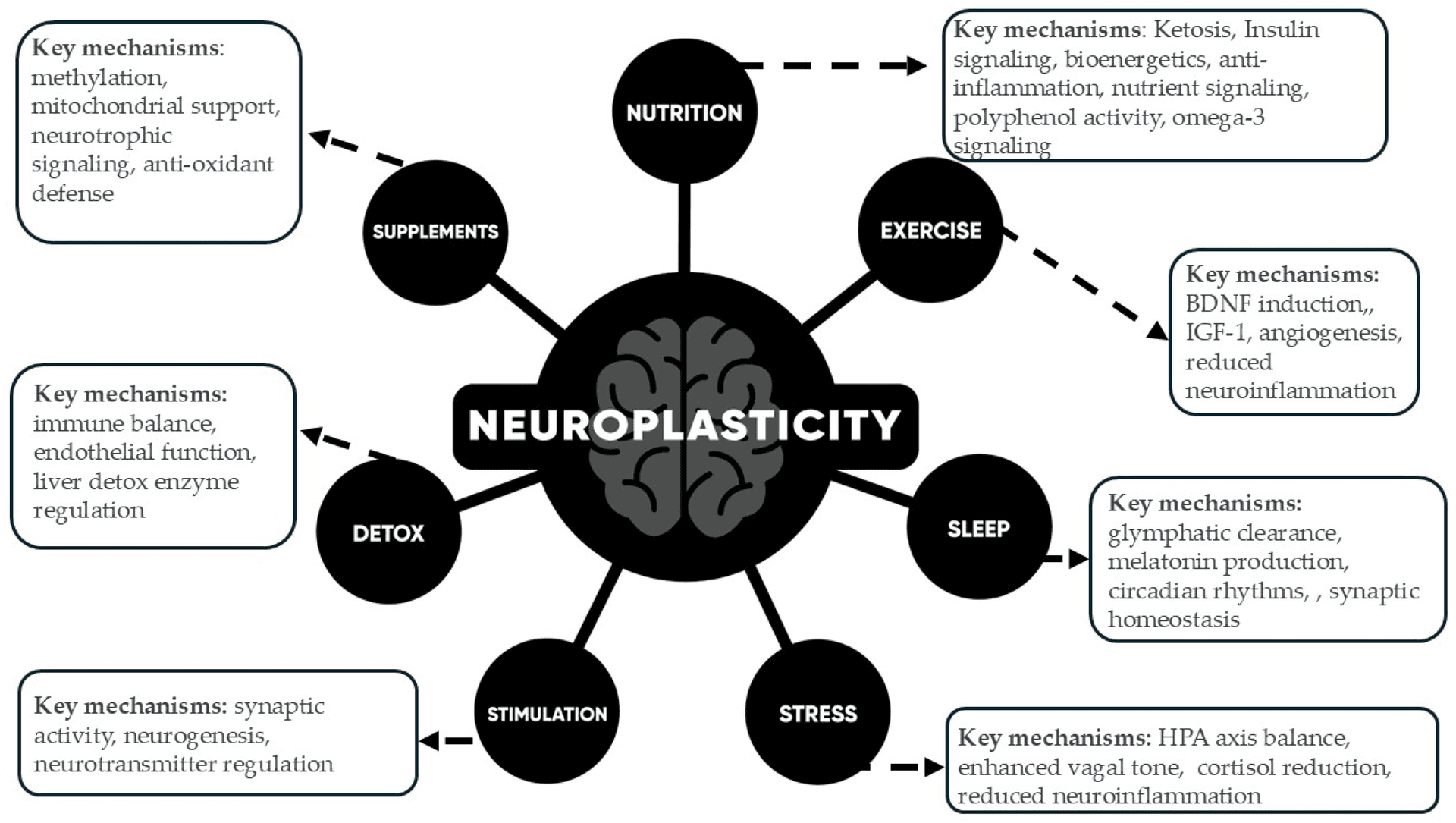
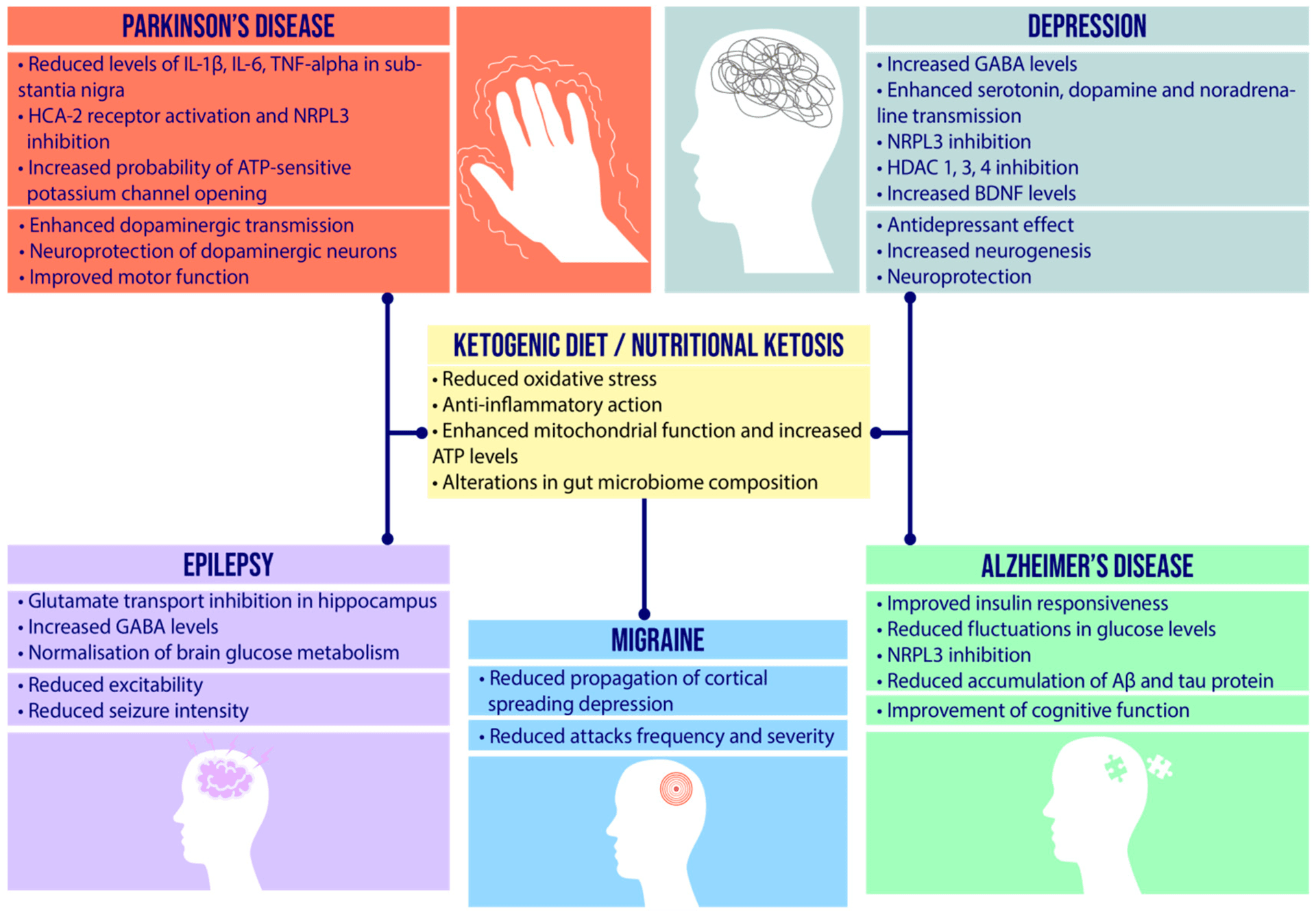
The most interesting part of the discussion is not calorie restriction. The authors argue that the ketogenic intervention may have done more than shift fuel use, possibly influencing microglial activation, cytokine signaling, and broader cellular metabolism. That is the part that makes sense in an immune-driven disease like Rasmussen’s encephalitis, where inflammation is not a side note but part of the engine.
That does not mean keto should be treated as a stand-alone anti-inflammatory treatment for seizures or encephalitis. It means the diet may have a biologic role that is especially relevant in neuroimmunology, where immune signaling and neuronal excitability are tangled together. In other words, the diet may belong in the neurology conversation for reasons that go beyond the usual carb-counting frame.
Why adult Rasmussen’s cases still lean so heavily on specialists
Adult-onset Rasmussen’s encephalitis is especially challenging because it is rare, variable, and often resistant to medications. Reviews of adult-onset disease emphasize that surgery, including hemispherotomy, remains the only definitive seizure-curing option for many patients, even when immunotherapies help slow decline. That is the stark backdrop behind this case: the patient improved, but the broader disease still lives in a territory where cure is often surgical, not dietary.
That is why this report matters to the keto community in a very specific way. It shows where ketogenic therapy still has its strongest clinical identity, in neurology, under medical supervision, inside a multi-modal treatment plan. It also shows the limit line clearly: one medically supervised case with tacrolimus, EEG, MRI, CSF testing, and years of follow-up is a long way from a do-it-yourself answer for seizures, encephalitis, or any other immune brain disorder.
The real lesson is not that keto can be casually repurposed for rare disease. It is that, in the hands of a neurology team, a classical ketogenic diet can still act like a serious therapeutic tool when the problem is refractory epilepsy and the stakes are brain tissue, cognition, and long-term stability.
Every story on Keto Diet Magazine is assembled by an automated editorial system that works from verified research, official records, and credible reporting, then clears automated accuracy and moderation checks before it goes live. The standards that system follows are set and overseen by the people who run the publication. Read our full editorial policy.
Did this article answer your question?