What this keto review really tests
The most useful thing about this keto review is that it does not stop at the usual weight-loss pitch. It asks a more practical question: what kind of support actually helps you stay keto in real life, with a real schedule, a real grocery bill, and real meals with other people?
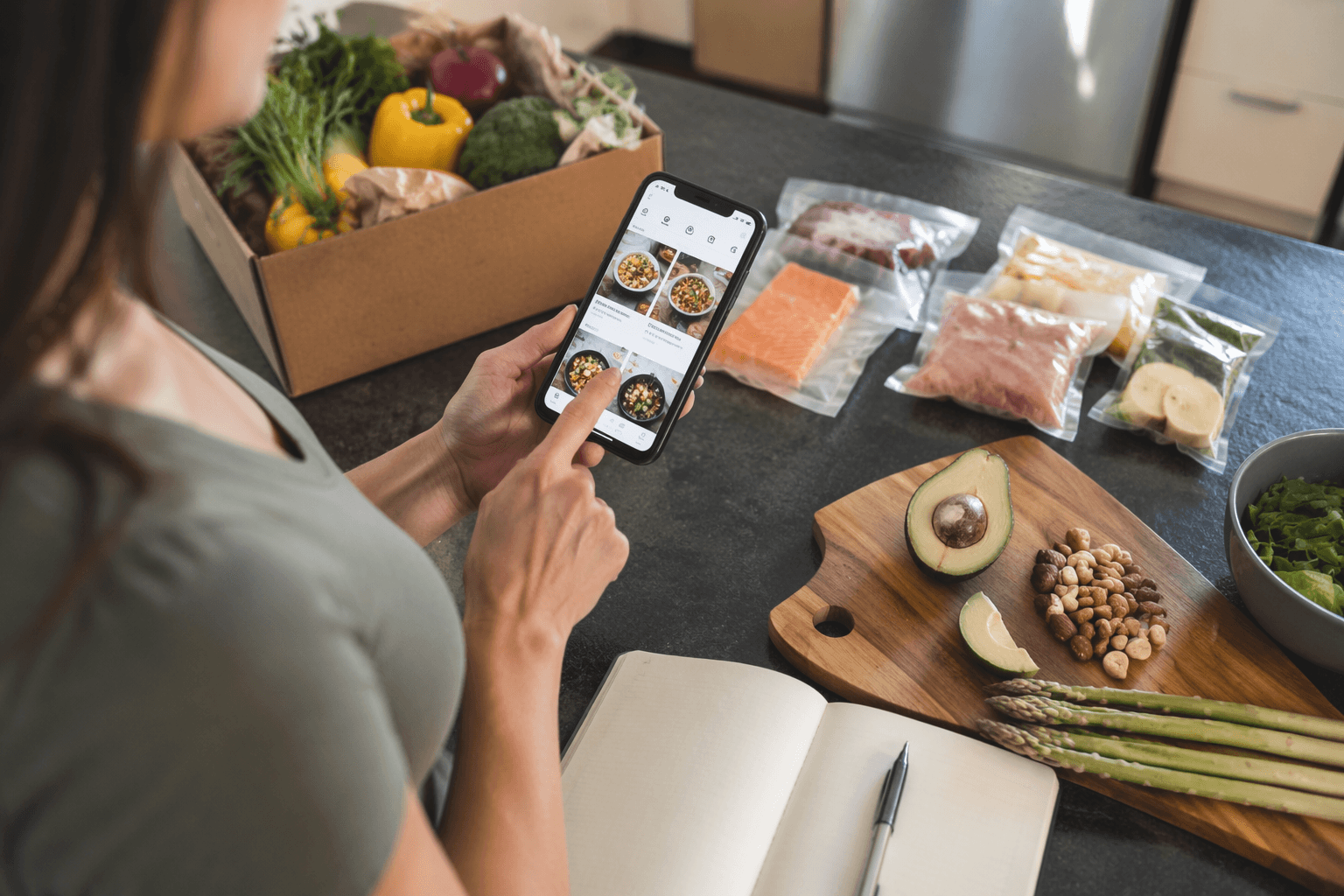
That is where the comparison becomes interesting. Instead of treating keto as one fixed program, the guide separates two very different ways to live low-carb: a meal-planning app style option with plans and no food delivery, and Sunbasket’s more hands-on ready-to-cook keto meals that skip strict tracking tools. For anyone trying to decide whether they need structure, convenience, or both, that split is the whole story.
How keto works, stripped down
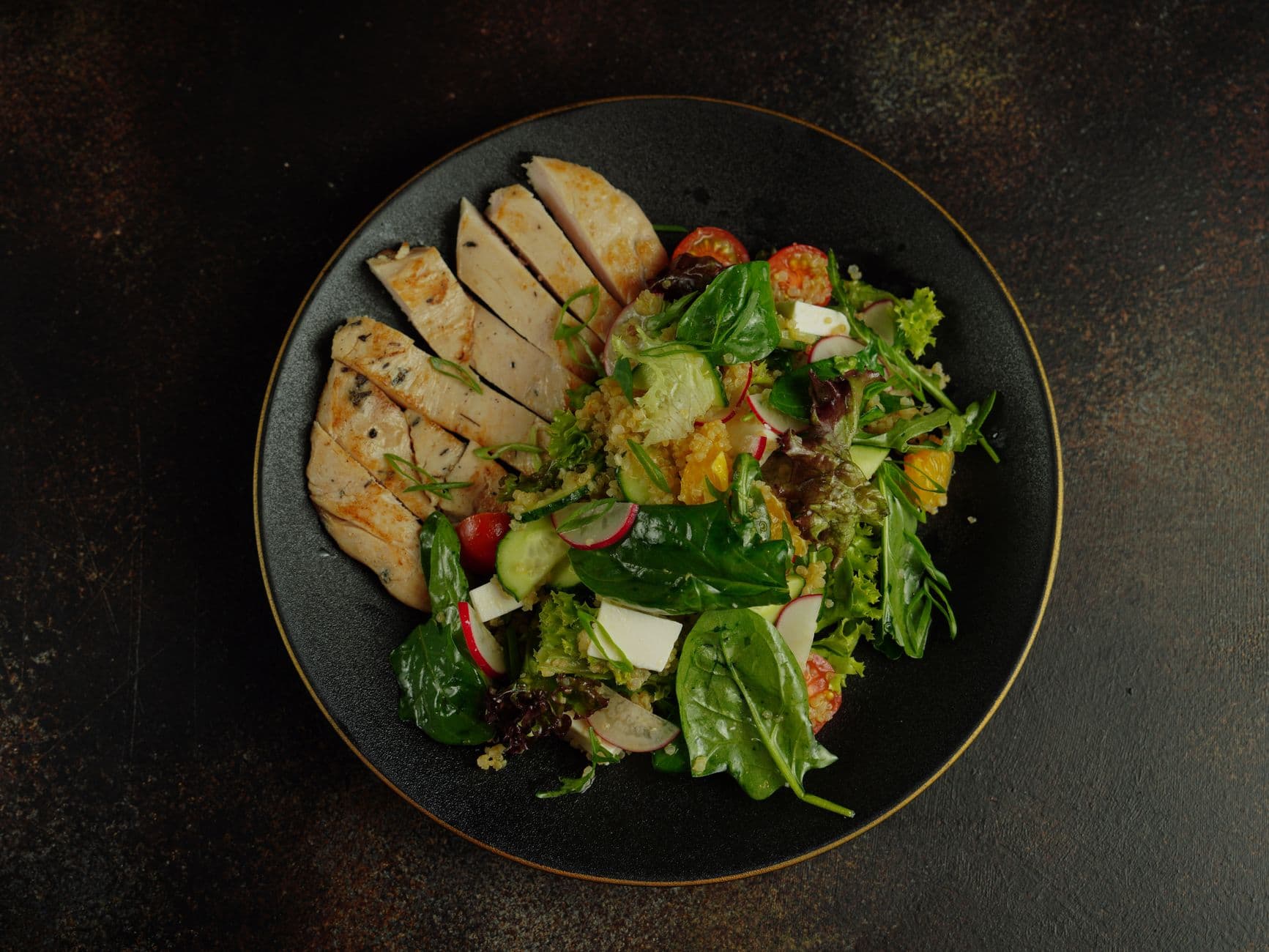
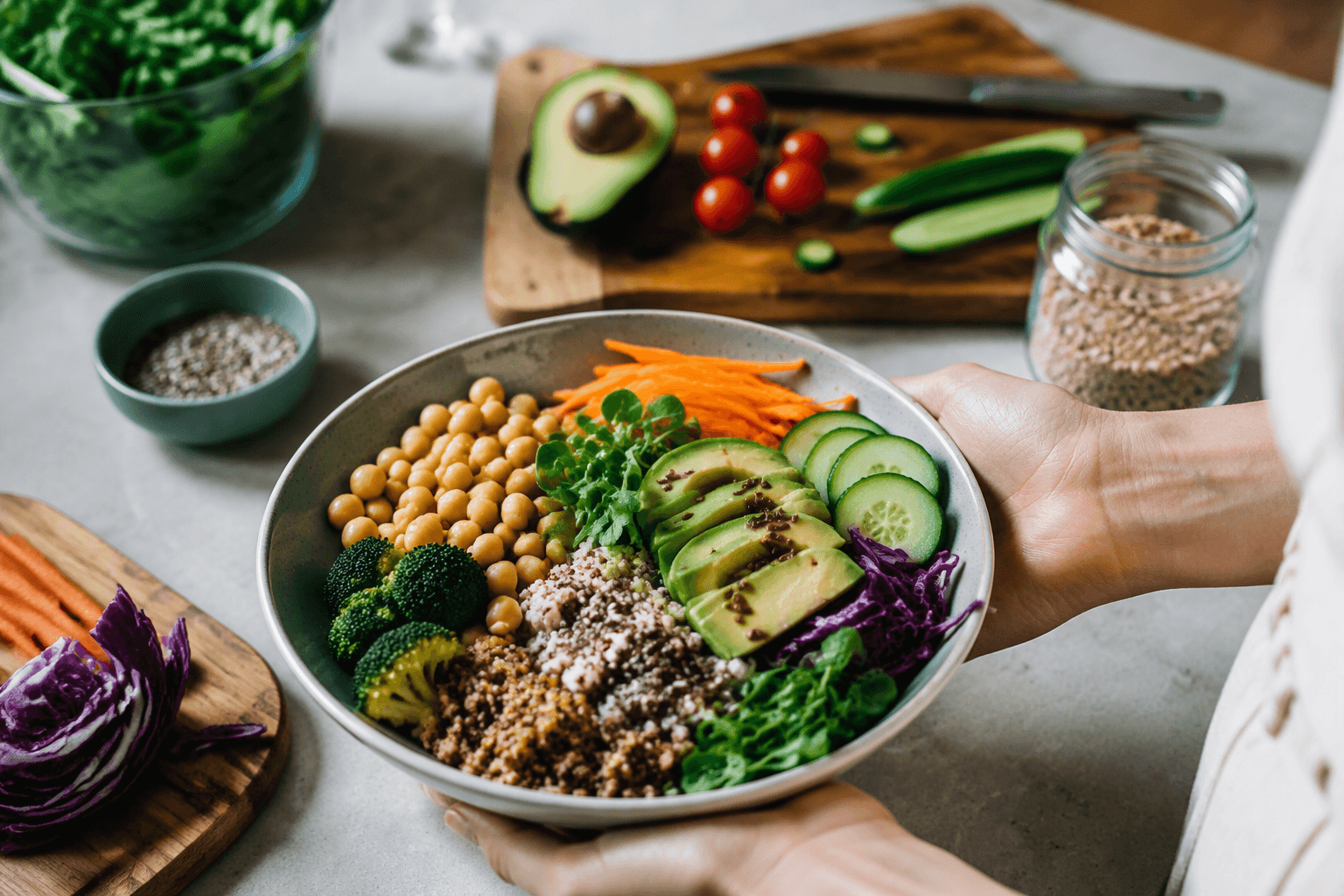
The basic formula is simple enough. Keto usually keeps carbohydrates very low, often around 20 to 50 grams a day, so the body shifts into ketosis and burns fat for fuel instead of glucose. That is why keto menus lean on foods like avocados, eggs, fatty fish, and vegetables, while bread, pasta, and sugary treats get pushed way back.
That simplicity is also part of the appeal. People who want a clear set of rules often like keto because it replaces guesswork with a tight framework. But the same structure that makes it easy to explain can make it harder to live with, especially when the foods you are most likely to share with other people are the ones the diet cuts hardest.
The real choice is support level, not just keto vs. not keto
The comparison in the review works because it highlights how different keto products solve different problems. One option offers a free app with meal plans but leaves the cooking, shopping, and food prep to you. The other delivers ready-to-cook meals from Sunbasket, which means less planning pressure and less need to track every carb by hand.
That distinction matters because it changes the daily burden. If you already like meal prep and do not mind reading labels, an app can give you direction without adding cost for delivered food. If you want to remove friction from weeknight dinners, a ready-to-cook service may be more realistic, especially when your schedule is already packed.
Where keto gets tested in everyday life
This is where the review earns its keep for keto-curious readers: it treats cost, convenience, and flexibility as the big decision points. Keto is not difficult only because carbs are limited. It is difficult because the diet changes how you shop, cook, and eat with everyone else.
Social eating is a good example. A plan built around very low carbs can make shared meals awkward when the table is full of bread, pasta, or dessert. Even at home, the diet asks for repetition and advance planning, and that can wear thin if you do not have the time or budget to keep restocking avocados, eggs, fatty fish, and other keto staples.
That is why the review’s advice to look closely at menus and support features before committing feels practical rather than promotional. If the plan only works when your week is perfect, it may not be a useful plan at all.
The nutrient tradeoffs matter too
The broader health context adds an important reality check. The American Heart Association’s 2026 dietary guidance says heart-healthy eating should focus on the overall pattern, not a single nutrient or food. It emphasizes vegetables, fruits, whole grains, unsaturated fats, minimally processed foods, and lower added sugars and sodium.
That matters because many keto versions rely heavily on high-fat animal foods. The AHA says saturated fat should stay under 6% of total calories and identifies butter, cheese, red meat, other animal-based foods, and tropical oils as key sources. So if keto turns into a steady stream of bacon, butter, and cheese, it may clash with the kind of heart-healthy pattern public-health experts keep recommending.
Harvard Health makes a similar point in plainer language: if you try keto, choose healthier fat sources such as olive oil, avocados, and nuts. It also suggests a reduced-calorie Mediterranean-style pattern may be a better path for long-term weight maintenance after a short keto phase.
Why long-term sustainability is the real test
Mayo Clinic says keto typically keeps carbs below 50 grams a day and may help appetite control and weight loss, but it can be hard to stick with over time. That is the practical question many keto readers care about most. A diet can look great on paper and still fail if it is too rigid for real life.
The CDC’s weight-loss guidance points in a similar direction. It recommends evidence-based support such as registered dietitians, community programs, FDA-approved medications or devices, and bariatric surgery when appropriate. In other words, keto is only one possible tool, not the only serious option for someone trying to manage weight.
That is a useful reminder for readers who want a plan they can actually maintain. If a keto app helps with accountability, good. If a meal service lowers friction enough to keep you consistent, also good. But if the whole approach depends on constant perfect tracking, it may not survive long enough to matter.
The medical side of keto is real, but narrow
It is also worth separating casual weight loss from keto’s clinical history. Harvard Health notes that keto has been used in medicine for almost 100 years to treat drug-resistant epilepsy, especially in children. Recent medical reviews continue to study variants like the classic ketogenic diet, modified Atkins diet, medium-chain triglyceride diet, and low glycemic index treatment for that use.
That medical background does not make keto automatically right for everyone else. In fact, Harvard Health describes it as a medical diet with serious risks, not just a trendy weight-loss plan. It can have a role, but it is not something to treat casually, especially if you already have heart concerns or need a plan that protects long-term health.
Hydration and kidney-stone prevention are another caution point. The National Institute of Diabetes and Digestive and Kidney Diseases continues to emphasize hydration in kidney-stone prevention, which matters when people move toward restrictive, high-animal-protein eating patterns. That is another reason the fine print matters more than the slogan.
The bottom line for keto-curious readers
Taken as a shopping-and-implementation guide, the review is genuinely useful. It helps readers compare a free planning app against ready-to-cook keto meals and shows that “keto” is not one product, one routine, or one level of effort.
For anyone trying to stay keto in 2026, the bigger lesson is straightforward: success is less about the label and more about fit. The right plan has to match your budget, your schedule, your tolerance for food prep, and your ability to keep the diet sustainable when life is not perfectly controlled.
Every story on Keto Diet Magazine is assembled by an automated editorial system that works from verified research, official records, and credible reporting, then clears automated accuracy and moderation checks before it goes live. The standards that system follows are set and overseen by the people who run the publication. Read our full editorial policy.
Did this article answer your question?