A ketogenic diet did more than change fuel use in septic mice. It shifted gut bacteria, pushed a fat-derived molecule into the lungs, and sharply reduced lung injury, pointing keto coverage toward the gut-lung axis rather than the usual weight-loss story.
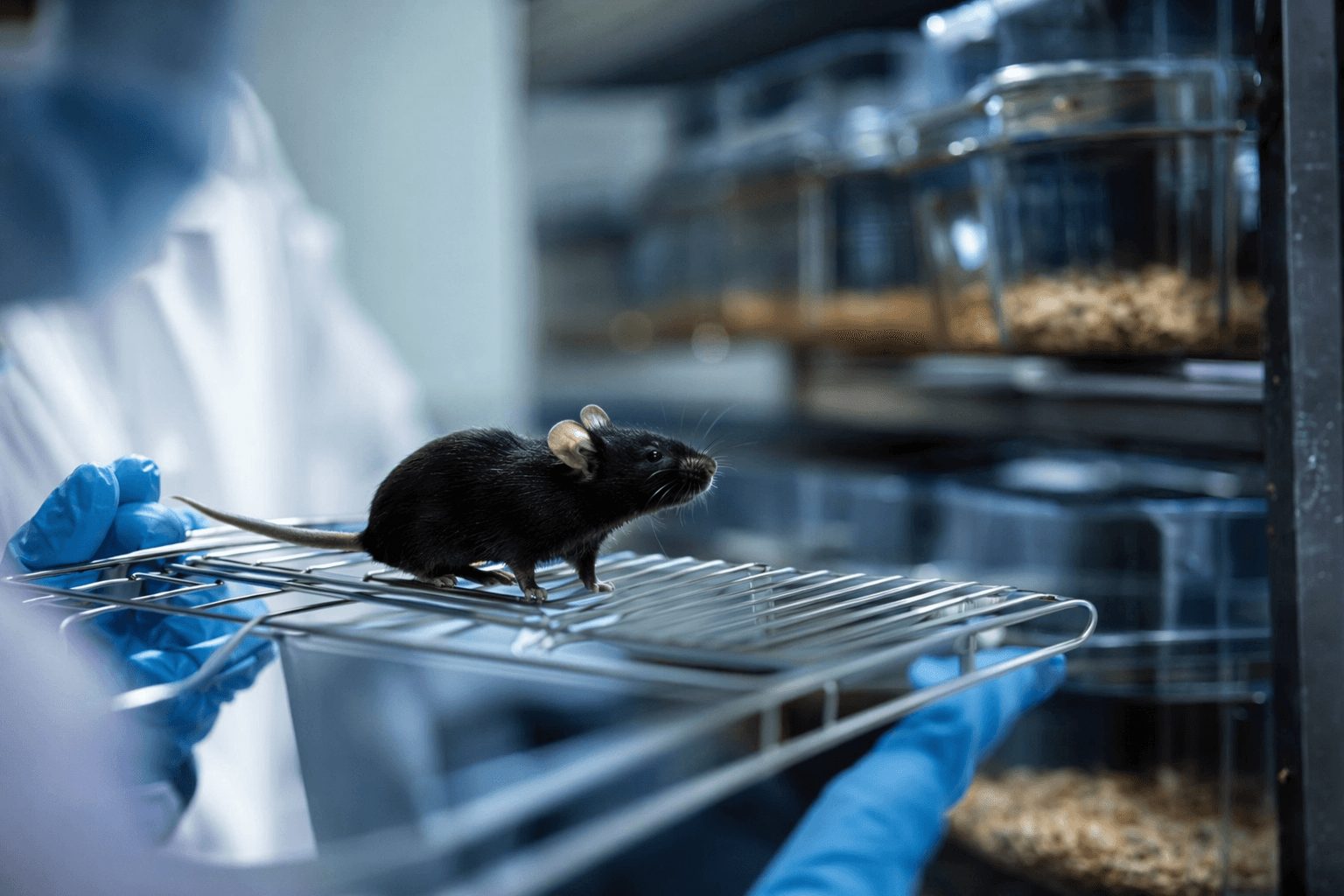
The study, led by Mingyuan Wei at South China Normal University in Guangzhou, China, fed mice either a ketogenic diet or a standard diet for two weeks before inducing sepsis. The keto-fed mice had lower death rates and less lung damage. The key mechanism was not simply ketosis. The diet enriched Limosilactobacillus reuteri and Lactiplantibacillus plantarum, and those bacteria helped convert dietary oleic acid into azelaic acid. That compound moved to the lung, promoted efferocytosis, and worked through PPAR-gamma signaling with an expansion of MerTK-positive macrophages.
The effect also weakened the case for a simple “keto alone” explanation. In mice without gut bacteria, or after antibiotic treatment, the protection disappeared. That makes the microbiome look like the real engine here, not just a high-fat, very low-carb menu. The Cell Metabolism paper also reported that higher azelaic acid levels in lung tissue were linked with better clinical outcomes in people with sepsis, a detail that gives the pathway some translational bite even though the main experiment was still in mice.

That matters because sepsis remains brutally common and deadly. The World Health Organization reported 48.9 million cases and 11 million sepsis-related deaths worldwide in 2020, while the Institute for Health Metrics and Evaluation estimated 166 million cases and 21.4 million deaths in 2021. Recent reviews still put ICU sepsis mortality in the 30% to 50% range. This is why any nutrition angle draws attention, and why it also needs restraint.

There is already some human testing in the background. A 2024 randomized trial in 40 critically ill adults with sepsis looked at whether a ketogenic diet could induce stable ketosis, and a 2025 BMJ Open protocol described a multicenter trial across five intensive care units in China. Those efforts matter because only human trials can show whether the mouse pathway holds up, whether azelaic acid can be tracked as a real biomarker, and whether keto or keto-like metabolites can safely improve outcomes. For now, the takeaway is narrower and more interesting: the gut may be doing more of the heavy lifting than the ketones themselves.
Every story on Keto Diet Magazine is assembled by an automated editorial system that works from verified research, official records, and credible reporting, then clears automated accuracy and moderation checks before it goes live. The standards that system follows are set and overseen by the people who run the publication. Read our full editorial policy.
Did this article answer your question?