What keto actually changes
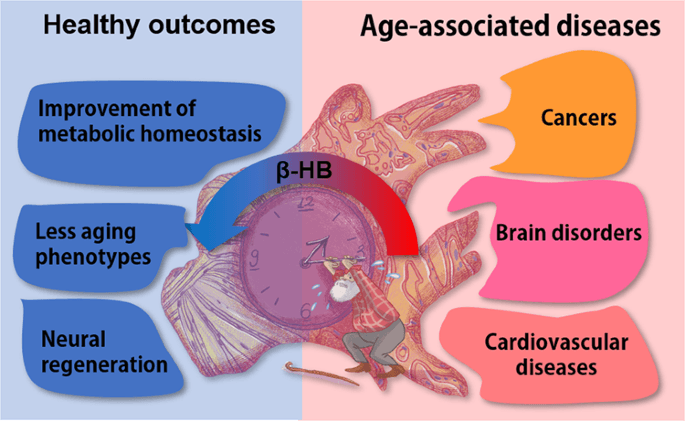
Keto is not just “eating fewer carbs.” It is a very low-carb, high-fat way of eating that pushes your body to switch from glucose to fat and ketones for fuel. The National Cancer Institute defines it plainly: when carbohydrate intake drops hard enough, the body breaks down fat into ketones, and those ketones become a major energy source for many cells.
That fuel shift is the whole point. Cleveland Clinic notes that when glucose falls, insulin falls too, and that drop tells the liver to ramp up ketone production. In practical terms, you are not just trimming bread and sugar. You are changing the body’s default energy system.
The first decision: how strict are you actually trying to be?
This is where a lot of beginners go wrong. They hear “keto” and assume every version is the same, but the classic medical ketogenic diet is extremely strict. Johns Hopkins Medicine describes the pediatric epilepsy version as about 90% fat, 7% protein, and only 3% carbohydrate.
That level of precision matters because keto started as a clinical tool, not a casual lifestyle trend. Harvard T.H. Chan School of Public Health notes that it was used in the 19th century to help control diabetes and was introduced in 1920 as an effective treatment for epilepsy in children when medication was ineffective. Johns Hopkins later helped revive clinical interest through its Pediatric Ketogenic Diet Center, started by John Freeman, M.D., and Kelly in the early 1990s, after anti-seizure drugs had overshadowed the diet for decades. The center has treated more than 1,500 children since 1994.
For most people starting out today, the question is not whether you can perfectly mimic a hospital protocol. It is whether you can build a version that is low enough in carbs to stay in ketosis and sustainable enough to keep doing it.
What to eat in week one
If you want keto to work, keep the plate simple. The safest beginner move is to center meals on whole foods with a clear fat source and very few carbs.
- Meat, poultry, fish, and eggs
- High-fat dairy, if you tolerate it
- Oils, butter, and avocado
- Nuts and seeds in controlled portions
- Non-starchy vegetables like leafy greens, broccoli, cauliflower, zucchini, and cucumber
This is where keto becomes practical instead of theoretical. You are replacing starch with fat, not just subtracting carbs and hoping for the best. A chicken breast with olive oil, a salmon plate with greens, or eggs cooked in butter will generally fit the plan far better than any “keto” packaged snack with a long ingredient list.
The smarter move in week one is to build meals around real food rather than trying to imitate bread, pasta, and dessert right away. The more processed the substitute, the easier it is to overshoot carbs or end up eating something that technically fits the label but leaves you hungry an hour later.
What to avoid if you want to stay in ketosis
This is the part beginners underestimate. Keto fails most often because hidden carbs are everywhere, especially in packaged foods and restaurant meals. The obvious offenders are bread, pasta, rice, sweets, soda, and juice, but the sneaky ones are sauces, glazes, and “healthy” snacks that bring in more starch and sugar than you expected.
The rule of thumb is simple: if a food is built around flour, sugar, grains, or starch, it is probably not doing you any favors. That also means you need to watch the carb count on packaged products that wear a keto label but still add up fast.
A better week-one approach is to strip the menu down until your carb intake is easy to see. If you can look at a meal and identify the protein, the fat, and the low-carb vegetable, you are probably on the right track.
How you know you are doing keto correctly
The first sign is not a number on a scale. It is whether your carbs are low enough for your body to start producing ketones. If that is happening, the usual pattern is lower glucose, lower insulin, and a shift toward fat burning.
A practical check is consistency. If every meal is built around protein, fat, and low-carb vegetables, and you are not sneaking in starches through drinks, sauces, or snacks, you are probably much closer to ketosis than someone who is “mostly low-carb” but still eating bread at lunch and rice at dinner.
Some people use urine strips or blood ketone meters, but the bigger test in week one is discipline. Keto is not forgiving about casual cheating early on. A couple of carb-heavy meals can be enough to push you out of ketosis and restart the adjustment process.
What week one can feel like
Do not expect the first days to feel glamorous. Keto can be rough at the start because your body is changing fuel sources, and that often comes with fatigue, headaches, brain fog, irritability, and a dip in workout performance. People often call this “keto flu,” and while it is temporary for many, it is real enough to derail a beginner who thinks the diet is broken.
Hydration and electrolytes matter more than most newcomers expect. When carbs drop, water weight often drops too, and that can bring a noticeable shift in how you feel. If you are suddenly dragging, it is worth looking at your fluid and mineral intake before you conclude the diet is not working.
Why the results conversation needs some honesty
Keto gets a lot of attention for weight loss, but the evidence is more nuanced than the hype. A 2023 umbrella review found benefits in some groups, including adults with overweight or obesity and people with epilepsy, but the quality of the evidence varies across conditions. In other words, it is not magic, and it is not equally proven for everything people claim it can fix.
A 2024 review in the American Journal of Clinical Nutrition found that keto may improve triglycerides, blood pressure, weight, and glycemic control, but it also warned that total cholesterol and LDL cholesterol may rise. That is a big deal, because the same diet that helps one marker can worsen another.
There are also kidney-related concerns to take seriously. Kidney-focused reviews have flagged kidney stones, metabolic acidosis risk in some patients, and increases in LDL-C and apolipoprotein B in susceptible people, especially those with chronic kidney disease. That is why keto is not a one-size-fits-all plan, especially if you already have health conditions that make protein, fat, or electrolyte balance more complicated.
Where keto fits, and where it does not
Harvard notes that keto has been studied in closely monitored settings for cancer, diabetes, polycystic ovary syndrome, and Alzheimer’s disease. Johns Hopkins also notes that for some people with type 2 diabetes, keto may work in the short term, but it is not the only way to lose weight or manage glucose. The American Diabetes Association recognizes several eating patterns, including Mediterranean-style, vegetarian, low-carbohydrate, and very low-carbohydrate approaches.
That is the real takeaway for week one. Keto can be a useful tool, especially if you like structure and do well with clear food rules. But the diet works best when you treat it like a method, not a miracle. Keep it simple, keep carbs truly low, base meals on whole foods, and pay attention to how your body responds instead of chasing the fastest promise on the internet.
The beginners who last are usually the ones who respect the rules, watch the side effects, and stop pretending that every fat-heavy meal is automatically a keto meal.
Every story on Keto Diet Magazine is assembled by an automated editorial system that works from verified research, official records, and credible reporting, then clears automated accuracy and moderation checks before it goes live. The standards that system follows are set and overseen by the people who run the publication. Read our full editorial policy.
Did this article answer your question?