Why this bowl lands differently
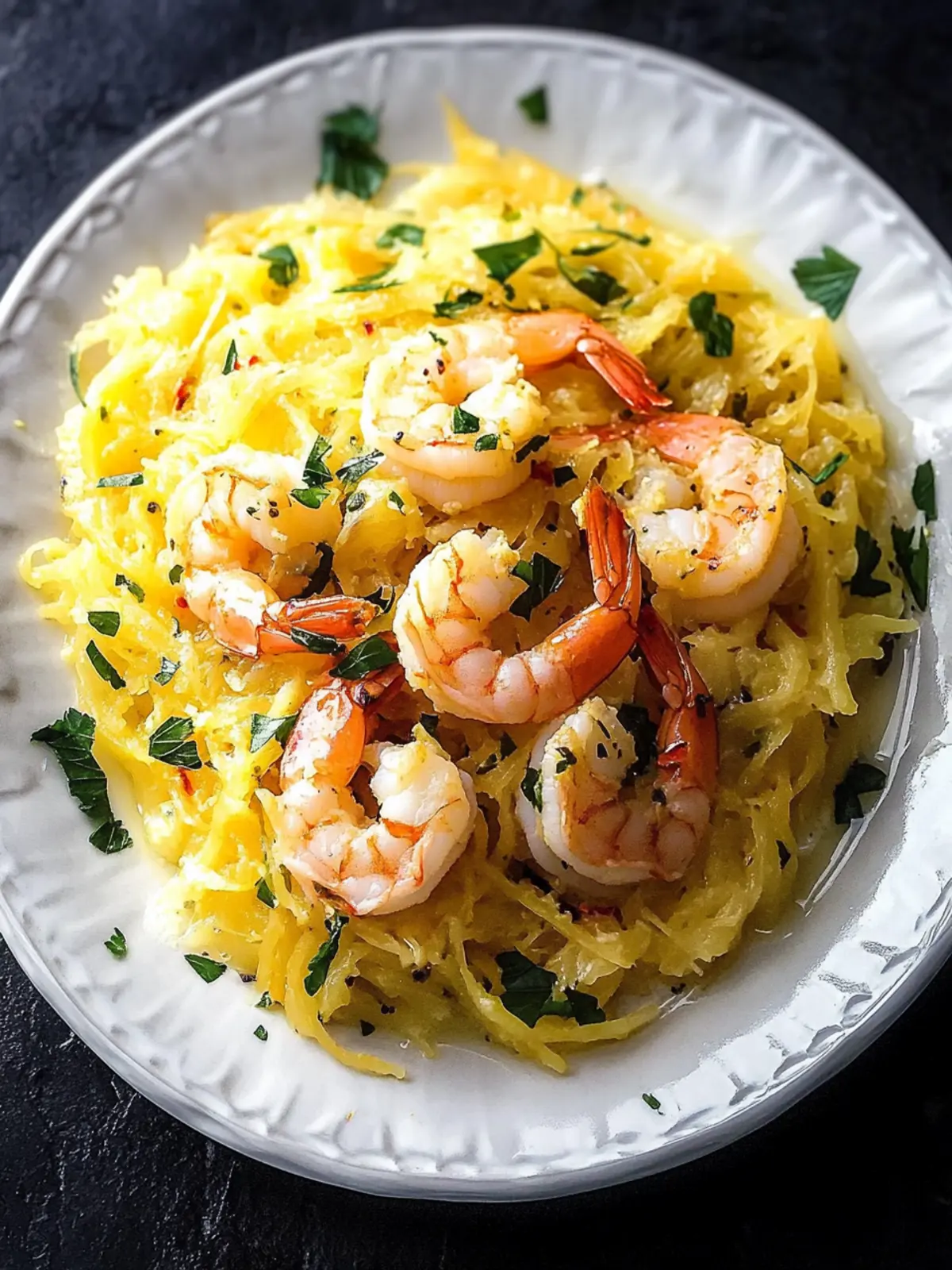
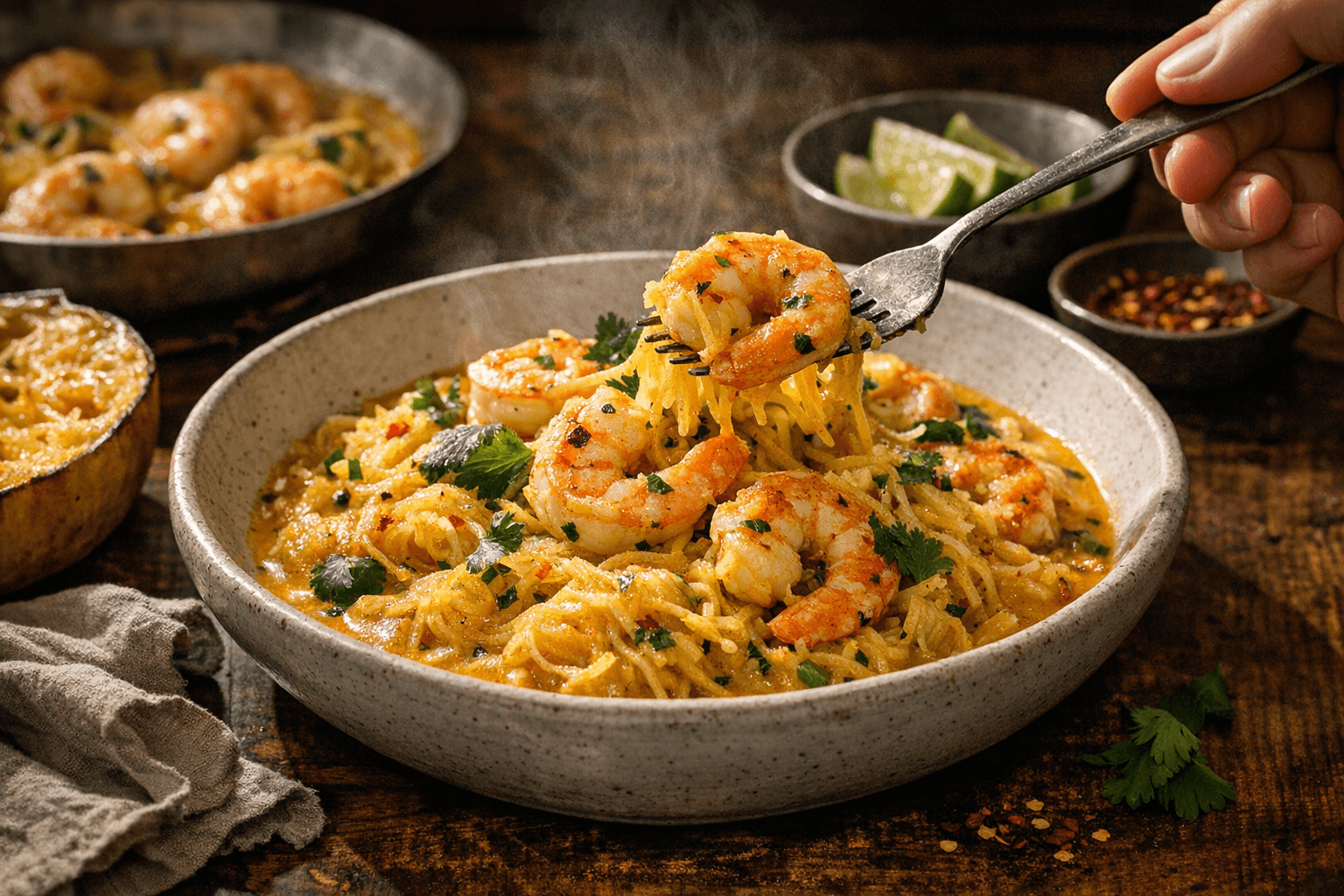
Keto dinners can get stuck in a rut fast, especially when the menu keeps cycling through meat-and-veg plates and skillet repeats. This coconut curry spaghetti squash with shrimp breaks that pattern with a bowl that feels bright, fragrant, and restaurant-style, yet still keeps carbs under control and stays gluten free. Emery Recipe frames it as a practical answer to the takeout craving, and that is exactly the appeal: it brings in curry flavor, seafood, and a noodle-like vegetable in one satisfying dinner.
The biggest win is the way the recipe turns a familiar low-carb ingredient into something more exciting. Spaghetti squash gives you that twirlable, strand-like bite that makes a bowl feel complete, while the shrimp adds tenderness and enough protein to keep the meal from feeling light in a disappointing way. The result is a dinner that reads as comfort food, not deprivation.
How the curry flavor builds
The sauce is where the dish earns its Thai-inspired personality. Coconut oil, freshly grated ginger, crushed garlic, coconut milk, lime juice, salt, and black pepper create a rich, aromatic base that gives the bowl its curry character without any fuss. That combination is simple, but it does a lot of work: the ginger and garlic bring sharpness, the coconut milk adds creaminess, and the lime keeps the whole thing from feeling heavy.
That balance matters for keto readers because richness alone can become dull if it is not lifted by acid and aromatics. Here, the lime and ginger keep the coconut milk from flattening out the flavor, so the final bowl tastes layered rather than one-note. It is the kind of low-carb dinner that feels closer to a favorite restaurant order than a compromise meal.
Why spaghetti squash fits the keto playbook
Spaghetti squash is a winter squash, and USDA SNAP-Ed notes that winter squash varieties can be steamed, microwaved, or roasted with the skin on because of their hard outer shell. That makes it a useful base for keto cooking, especially when you want the visual and textural payoff of a pasta bowl without actually using pasta. In this recipe, it stands in for noodles and carries the coconut curry sauce the way rice or wheat pasta normally would.
The nutrition profile explains why it shows up so often in keto-friendly meals. One cup of cooked spaghetti squash has about 42 calories, 10 grams of carbohydrate, and 2.2 grams of fiber, which is a very different carb load from conventional pasta. That lighter profile lets the dish feel generous and filling while staying aligned with a structured low-carb approach.
Is it really fast enough for a weeknight?
The short answer is yes, with one practical caveat. The recipe is framed as a dinner that can come together in about 20 minutes, and that is believable for the shrimp, sauce, and final assembly because shrimp cooks quickly and the coconut curry base is built from a handful of pantry ingredients. If you already have the spaghetti squash cooked or partially prepared, the whole thing is squarely in weeknight territory.
The only part that can stretch the clock is the squash itself. A whole spaghetti squash usually needs its own cooking time, even though it is easy to work with once softened, so the fastest version of this dinner is the one that takes advantage of leftovers or pre-cooked squash. That does not weaken the recipe so much as define it: the dish is genuinely quick in execution, but the best-case 20-minute version depends on getting the squash prep ahead of time.
The flexibility makes it more useful
One of the smartest things about this recipe is that it does not lock you into shrimp alone. Emery Recipe notes that the shrimp can be swapped for chicken or tofu, and extra vegetables can be added to personalize the bowl. That kind of flexibility matters in a keto kitchen because it makes the recipe adaptable to different preferences, family members, and whatever is already in the fridge.
It also helps the dish work as a true repeat meal instead of a one-off novelty. Chicken changes the protein profile without changing the flavor direction, tofu gives it a vegetarian path, and added vegetables make it easier to stretch into a larger dinner without losing the curry-coconut core. In other words, this is not just a recipe, it is a template for a low-carb bowl that can be adjusted without breaking the concept.
Where it fits in the bigger keto picture
This dish reflects how keto eating has evolved from strict macros into something more practical and more enjoyable. Cleveland Clinic describes keto as a very high-fat, low-carbohydrate diet, often around 60% fat, 30% protein, and 10% carbohydrate. Harvard Health notes that a true ketogenic diet can push fat as high as 90% of daily calories, which shows how tightly the pattern is built around fat-first eating.
The broader history is important too. Harvard Health says ketogenic diets have been used for centuries for medical purposes, including diabetes management in the 19th century and epilepsy treatment beginning in 1920. Great Ormond Street Hospital also describes ketogenic diet therapy as a medically supervised, high-fat, very-low-carbohydrate diet used to help manage drug-resistant epilepsy. That context reminds readers that keto is not just a trend; it comes from a long clinical history, even though it is now widely used as a lifestyle and weight-loss approach.
What keto readers should keep in mind
The meal is appealing because it preserves the pleasure of eating while changing the carb source, but keto itself is not a free pass. Cleveland Clinic and Harvard Health both warn about side effects such as constipation, bad breath, irritability, and possible heart-health concerns. Harvard also advises speaking with a doctor and a registered dietitian before trying keto, and its heart-focused guidance notes that the diet may raise heart-disease risk and may not be safe for some people with existing heart disease.
That does not make this coconut curry bowl a problem. It makes it a smart example of how to cook within keto in a way that still feels satisfying and varied. With spaghetti squash instead of noodles, shrimp for protein, and a coconut-lime curry sauce that tastes like takeout, this is the kind of dinner that proves low-carb eating can still deliver real comfort and enough speed to earn a place in the weekly rotation.
Every story on Keto Diet Magazine is assembled by an automated editorial system that works from verified research, official records, and credible reporting, then clears automated accuracy and moderation checks before it goes live. The standards that system follows are set and overseen by the people who run the publication. Read our full editorial policy.
Did this article answer your question?