The first week of keto usually falls apart for the same three reasons: the macro math feels fuzzy, electrolytes crash, and every meal starts to feel like a puzzle. This starter roadmap cuts through that noise with a clear food list, a repeatable 7-day plan, and the simple habits that make ketosis easier to stick with.
What keto actually asks of you
Keto is a high-fat, very low-carbohydrate eating pattern built to shift the body from burning glucose to burning fat and ketones for fuel. Cleveland Clinic puts the standard split at about 70% to 80% fat, 10% to 20% protein and 5% to 10% carbohydrates, while also noting that many people need to stay under 50 grams of carbs per day to enter and stay in ketosis. The National Center for Biotechnology Information describes the same basic metabolic goal, and clinical meal plans often move through phases instead of treating keto as a forever-only script.
The useful part for beginners is not chasing a single exact formula. It is learning the framework, then repeating it well enough that breakfast, lunch and dinner stop feeling like three separate decisions. That is why a structured starter plan beats a vague list of do’s and don’ts every time.
Build the plate around simple foods
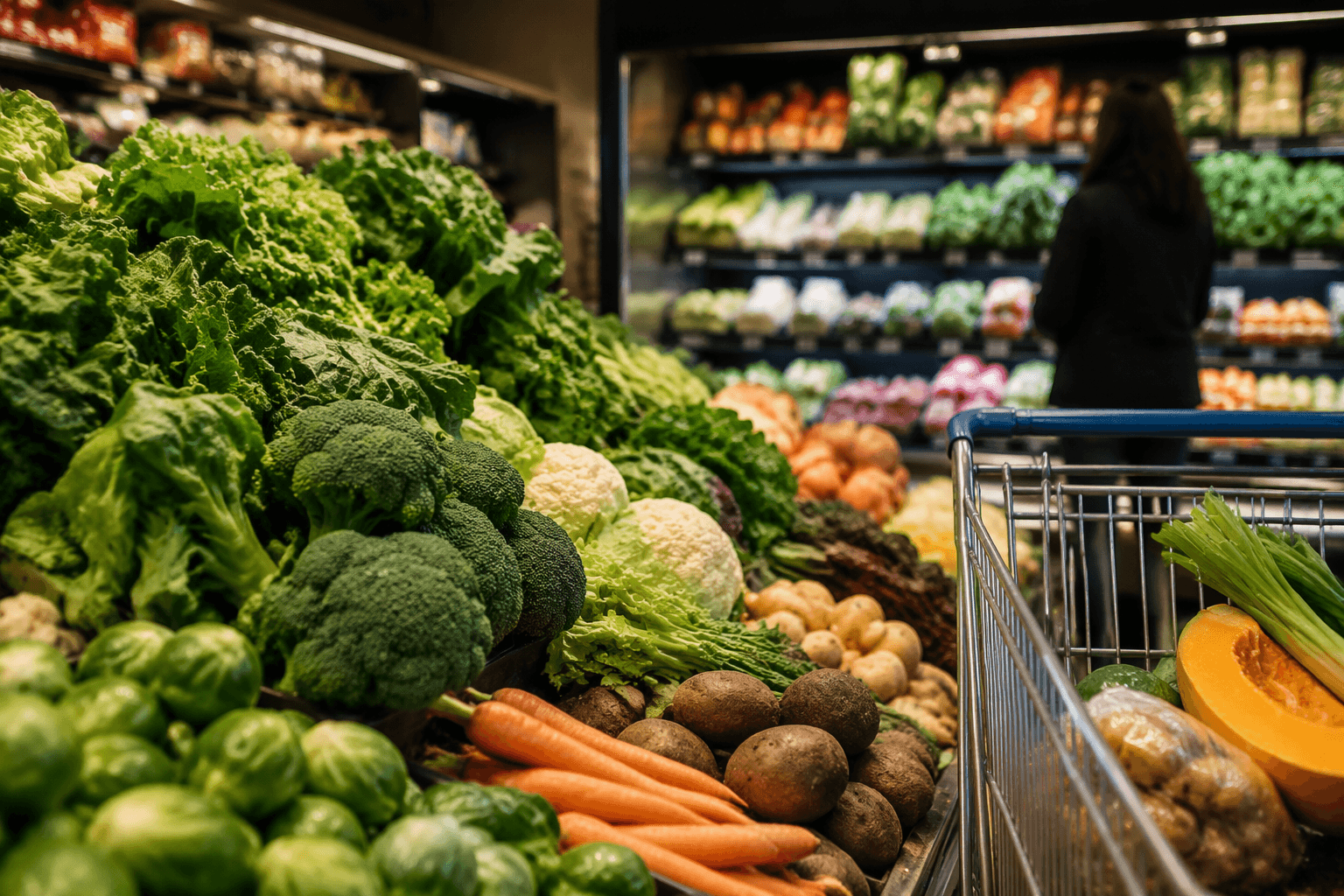
A workable keto plate is not complicated: lean protein, low-carb vegetables and moderate fat. Cleveland Clinic’s sample plan points to fish, chicken, turkey, eggs, cheese, lean pork and beef, then rounds meals out with nuts, seeds, avocado, olive oil and olives. It also suggests starting by filling half your plate with low-carb vegetables such as broccoli, cauliflower, cucumber, peppers, asparagus, spinach, tomatoes, zucchini, cabbage and celery.
Just as important is what gets cut back early. The same guidance lists sweets, desserts, potatoes, rice, pasta, bread, corn, peas, beans, lentils, fruit juice and milk as the foods to begin trimming before the full transition. That kind of cleanup matters because the first week is usually won or lost in the pantry, not at the grill.
- Keep the core proteins simple: eggs, chicken, turkey, fish, beef and pork.
- Lean on fat sources that travel well in real life: avocado, olive oil, nuts, seeds and olives.
- Build volume with vegetables you can use all week: broccoli, cauliflower, greens, zucchini, cabbage and salad greens.
Expect the first-week wobble, and plan for electrolytes
The rough patch often starts when insulin drops and the kidneys begin flushing out water and minerals faster than usual. That is why sodium, potassium and magnesium suddenly matter so much, and why a simple fix like salting food or adding avocado can make the first few days feel less punishing. Cleveland Clinic says the “keto flu” can show up anywhere from two to seven days after ketosis begins, with symptoms such as nausea, irritability and headaches.
That is the part many beginners mistake for failure. It is usually adaptation, not proof that keto is impossible, and it is exactly why a beginner guide should treat electrolytes as part of the plan rather than an afterthought. Hydration, salt and mineral-rich foods are not extras on keto, they are part of the startup sequence.
A 7-day starter meal plan that keeps the week manageable
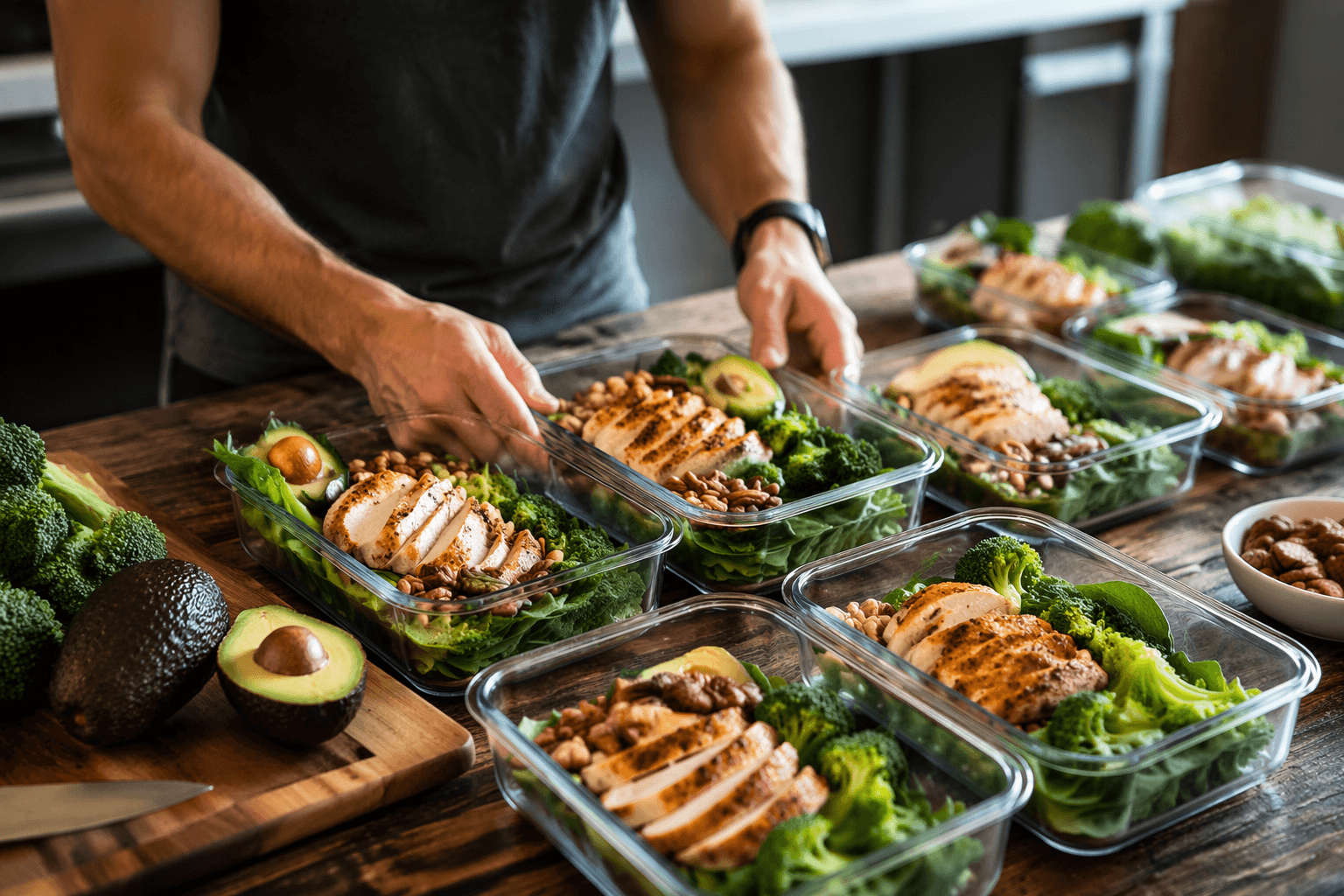
The easiest way to use the first week is to shop once, prep once and reuse ingredients hard. The Mayo Clinic Diet’s Healthy Keto plan is built around meal swaps, grocery lists and prep steps, and its sample week uses leftovers on purpose so you are not cooking from scratch three times a day. It also recommends freezing zucchini and blueberries for smoothies, washing and chopping produce ahead of time, making dressings the night before and doubling recipes that show up more than once.
Day 1
Start with a coconut “cheesecake” smoothie, then move into zesty tuna zoodles and bunless turkey cheddar burgers with green bean “fries.” The snack slot is a vegetables-and-fruits option, which keeps the day structured without making it feel like punishment.
Day 2
Baked lemon ricotta with tomatoes sets up lunch cleanly, followed by a tri-bean salsa salad and steak with garlic cauli smash and mustard-marinated mushrooms. The food list here does the heavy lifting: rich protein, a vegetable base and enough fat to keep hunger down.
Day 3
This is a leftovers day on purpose. Blueberry and coconut “cheesecake” smoothie returns for breakfast, while lunch and dinner repeat the tuna zoodles and turkey cheddar burger meals from Day 1, making the third day simpler instead of more ambitious.
Day 4
The rhythm stays steady with leftover baked lemon ricotta, leftover tri-bean salsa salad and a Mexican chicken sheet pan bake at dinner. This is the kind of repetition that keeps beginners from burning out on decision fatigue.
Day 5
Turkey stuffed bell peppers lead the day, then a shrimp salad with peanut dressing, then leftover Mexican chicken sheet pan bake. The plan keeps lunch and dinner flexible without straying from the same keto logic of protein, vegetables and controlled carbs.
Day 6
Breakfast goes back to the blueberry and coconut smoothie, lunch uses leftover shrimp salad, and dinner repeats the steak with garlic cauli smash and mustard-marinated mushrooms. By now the pattern is doing its job: less thinking, more executing.
Day 7
The week closes with leftover turkey stuffed bell peppers, chicken and beans with cream cheese dressing, and skillet chicken with avocado mash. That finish matters because a good starter roadmap should feel repeatable on Monday, not just impressive on paper.
How to shop and prep without burning out
The smartest keto shopping list is short and redundant in the best way. The week above leans on eggs, tuna, turkey, steak, chicken, shrimp, ricotta, cheese, avocado, cauliflower, zucchini, green beans, mushrooms, bell peppers and berries, all ingredients that appear more than once so nothing goes to waste. Mayo Clinic’s plan also makes it easy to swap meals and keep a grocery list in front of you, which is exactly the kind of scaffolding beginners need in week one.
That simplification is the real win. Many people do not struggle because keto foods are impossible to find, they struggle because organizing the diet is harder than the eating itself. A tight shopping list and a few prep blocks can do more for adherence than any pile of “keto-friendly” snack products.
Know the difference between smart keto and the version that backfires
Clinical keto is more serious than social media makes it look. Cleveland Clinic notes that ketogenic meal plans may require medical supervision, monthly blood work and prescription supplements, while the American Heart Association warns that too much saturated fat can raise LDL cholesterol and increase heart disease and stroke risk. UChicago Medicine also flags low blood pressure, kidney stones, constipation, nutrient deficiencies and increased heart disease risk as possible concerns.
That is why the better beginner version of keto leans on olive oil, avocado, nuts, seeds, fish and lean proteins instead of turning every plate into butter, bacon and cheese. Mayo Clinic’s Healthy Keto plan does exactly that, keeping net carbs around 50 grams per day while emphasizing fiber-rich vegetables, lean protein, berries and a small amount of beans.
If progress stalls, check these levers first
When the scale stalls, the first things to inspect are hidden carbs and calorie creep. Plateaus often show up when sauces, condiments, processed foods or oversized portions quietly push carbs and calories higher than expected, so a food tracker or app can help you see where the drift starts. If the stall comes with ongoing headaches, fatigue, constipation or nausea, it is a sign to tighten the basics instead of assuming the whole plan is broken.
That is the whole point of the roadmap: remove guesswork before it turns into dropout. Keto works best when the first week is treated like a system you can repeat, not a challenge you are supposed to survive by brute force.
Why this roadmap matters
Keto has deep clinical roots. Johns Hopkins says its pediatric epilepsy team has almost 100 years of experience with the diet, more than 1,500 children have been enrolled in its ketogenic program, and the center later developed the modified Atkins diet in 2002 for adolescents and adults. That history matters because it shows why structure, measurement and consistency still sit at the center of the approach today.
That is the takeaway for anyone starting from zero: the first week is not about becoming extreme, it is about becoming organized. Once the macro targets are clear, the electrolytes are covered and dinner is already mapped out, keto stops feeling mysterious and starts feeling like something you can actually live with.
Every story on Keto Diet Magazine is assembled by an automated editorial system that works from verified research, official records, and credible reporting, then clears automated accuracy and moderation checks before it goes live. The standards that system follows are set and overseen by the people who run the publication. Read our full editorial policy.
Did this article answer your question?