
Without a pre-diet lipid panel, every later cholesterol change on keto is partly a mystery: was LDL already high, did it jump on keto, or did something else shift? The smartest starter move is simple, practical, and not especially glamorous: get the baseline first, then test again after the diet has had time to show its effect.
Start with the baseline, not the biohacking
The core idea here is not anti-keto. It is anti-guesswork. A lipid panel is a safety step for people who are thinking about starting keto or another low-carb plan, especially because LDL responses can vary widely from one person to the next.
That matters in real life because keto is not just carb counting. A person who leans hard on butter, cream, bacon, cheese, and fatty red meat may end up in ketosis while their lipid profile tells a more complicated story. Someone who builds the plan around avocado, olive oil, fish, eggs, and nuts may see a very different pattern.
What to check before you start
A standard lipid panel gives you the starting line. The markers that matter most are LDL cholesterol, HDL cholesterol, and triglycerides, because those are the numbers most likely to move when you change the fat mix and overall carbohydrate load. A baseline panel also gives you a reference point for total cardiovascular risk before you make a major dietary switch.
That baseline is especially useful if you already have a family history of cholesterol problems, obesity, diabetes, or other cardiovascular risk factors.
A practical starter checklist looks like this:
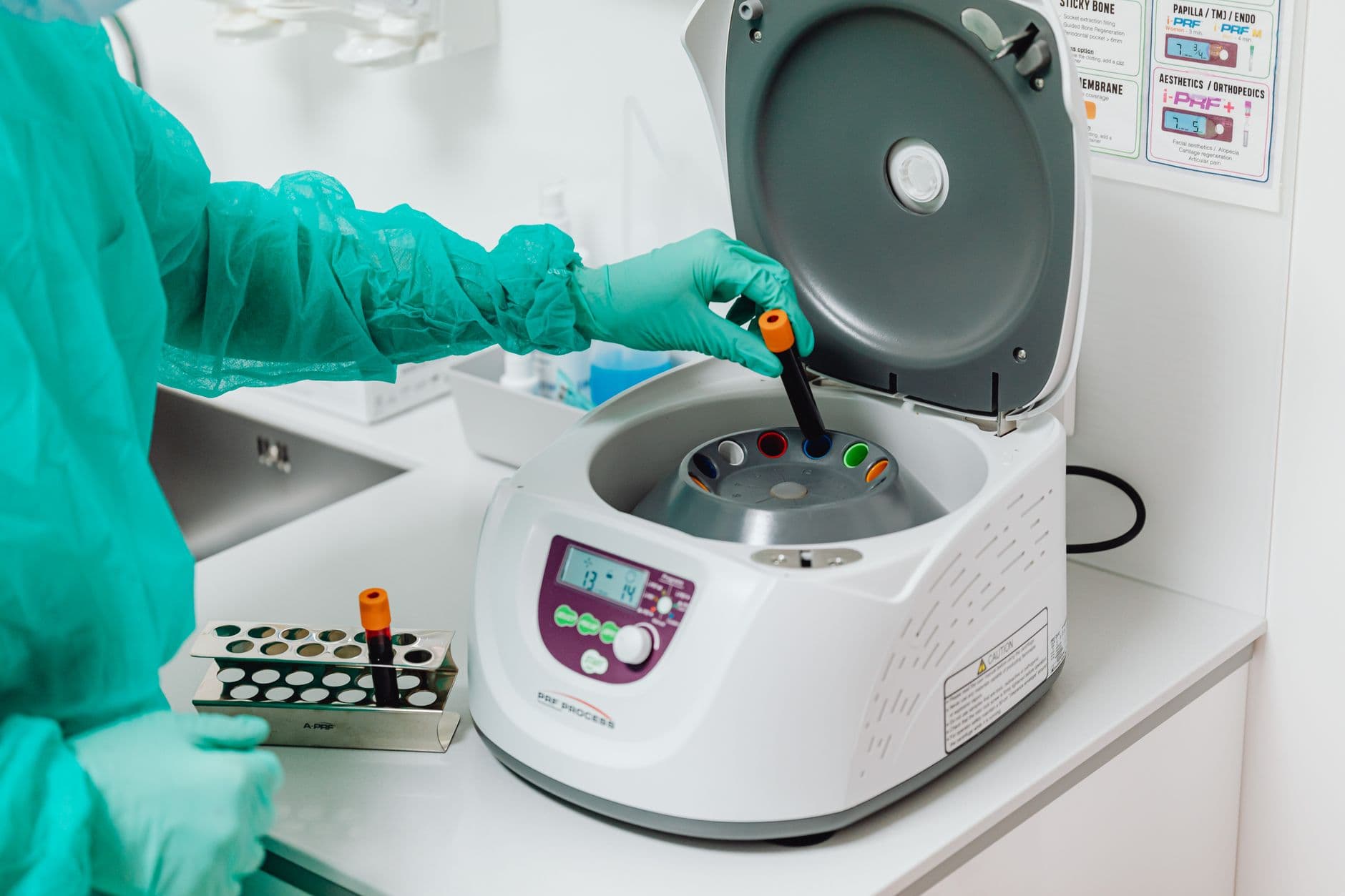
- Get a standard lipid panel before you begin
- Save the exact LDL, HDL, and triglyceride numbers
- Keep your keto pattern consistent long enough to judge the trend
- Recheck on a schedule instead of waiting for a lucky doctor visit
- If LDL jumps, talk about fat sources and portion size before treating the diet as a failure
When to recheck
A useful window for repeating the test is about 4 to 12 weeks after starting or changing the diet. That is the range used in general lipid care because it is long enough to see a meaningful response, but short enough to catch a problem before you spend months guessing. If your numbers are moving in a good direction, the repeat panel shows it. If they are drifting the wrong way, you have time to adjust.
That recheck matters even more on keto because cholesterol changes can look wildly different person to person. In a 2021 randomized controlled feeding trial in healthy, young, normal-weight women, a ketogenic low-carbohydrate high-fat diet increased LDL cholesterol. A 2024 meta-analysis found the same basic pattern in adults with normal body weight, and a 2024 review in the American Journal of Clinical Nutrition found that LDL change on a low-carbohydrate diet is highly variable.
Why lipid responses split so sharply
This is the part keto people learn the hard way: two people can eat what looks like the same low-carb diet and end up with totally different lipid numbers. One person sees triglycerides fall, weight drop, and blood sugar improve. Another sees LDL climb sharply even while everything else looks better.
That split is exactly why the “LDL hyper-responder” conversation has taken hold in the low-carb world. Diet Doctor uses that language, and the idea shows up in discussions of a lean mass hyper-responder phenotype in the low-carb literature.
A 2024 review in PubMed Central found that low-carbohydrate high-fat diets can improve triglycerides, blood pressure, weight, and glycemic control, but cardiovascular risk remains a concern.
When a standard panel may not be enough
If LDL climbs, the standard lipid panel may not tell the whole story. A 2020 Frontiers in Medicine case report highlighted apoB, Lp(a), and oxLDL as additional markers worth discussing in some patients on a high-fat, low-carbohydrate ketogenic diet. The American Heart Association and American College of Cardiology, in their March 13, 2026 lipid guidance, emphasized earlier treatment to reduce exposure to plaque-causing lipids and more selective use of apoB and lipoprotein(a) testing.
That does not mean every keto follower needs an expanded lab workup on day one. It does mean a rising LDL should not be brushed off as “just how keto works.” In some people, it may be a temporary shift. In others, it may be the signal that saturated fat intake is too high, or that the plan needs more olive oil, fish, nuts, and avocado, and less of the butter-and-bacon version of low-carb.
How to use the numbers without overreacting
Treat keto like a monitored health intervention, not a trend. If your baseline LDL is already elevated, or if the repeat panel shows a sharp rise, that gives you a concrete reason to adjust the diet instead of debating it in the abstract. If triglycerides drop and HDL improves while LDL stays stable, that is a very different story from one where LDL climbs hard and apoB follows it up.
Virta Health uses the phrase “well-formulated ketogenic diet.” Keto is not one food pattern. It can be built around very different fat sources, and those choices can show up in the lab work.
Every story on Keto Diet Magazine is assembled by an automated editorial system that works from verified research, official records, and credible reporting, then clears automated accuracy and moderation checks before it goes live. The standards that system follows are set and overseen by the people who run the publication. Read our full editorial policy.
Did this article answer your question?