Why this dinner works when takeout does not
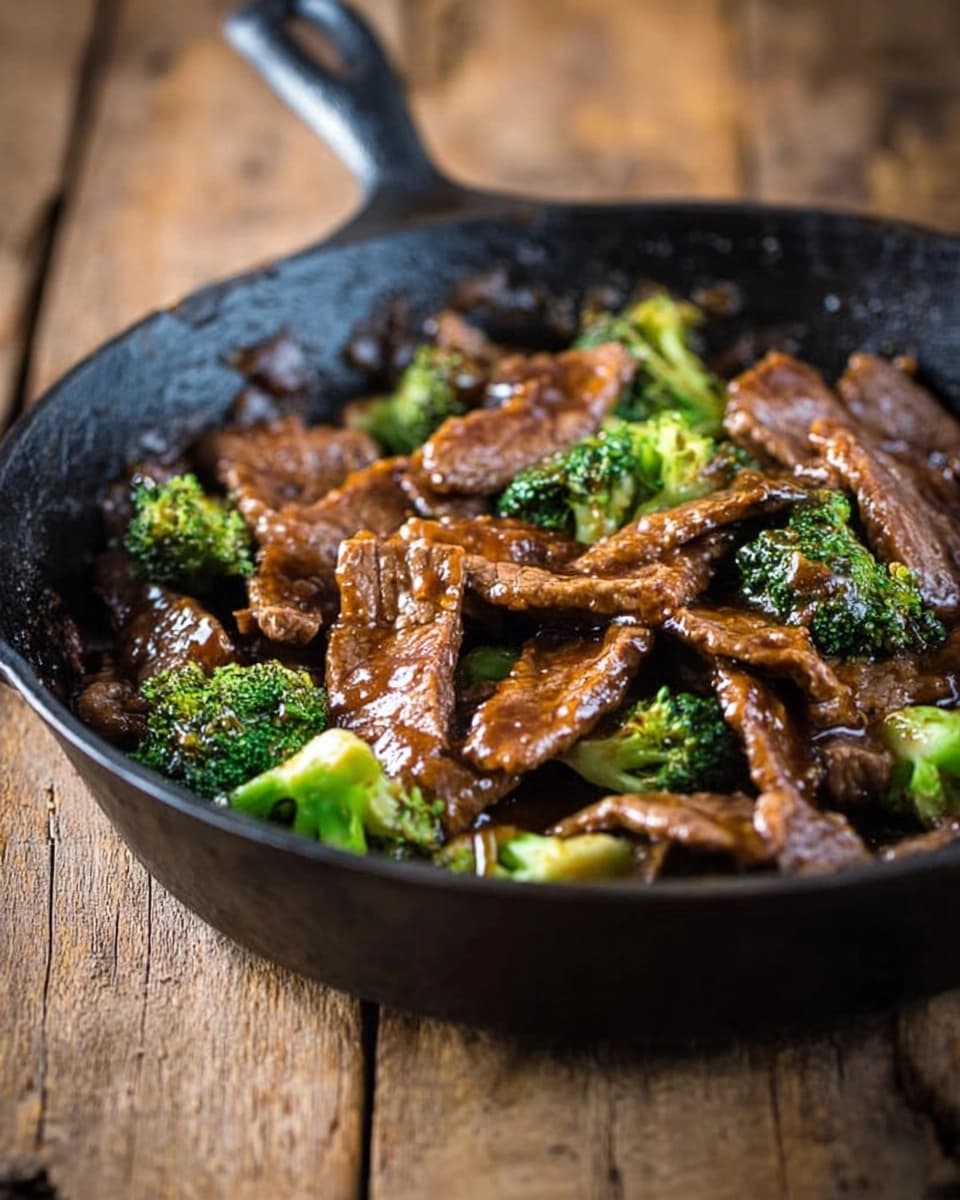
This is the kind of keto dinner that saves a tired evening. Thinly sliced beef sirloin or flank steak, fresh broccoli florets, garlic, ginger, sesame oil, avocado oil, beef broth, rice vinegar, red pepper flakes, green onions, and sesame seeds come together fast enough to feel like a shortcut, but the result still tastes like something you would happily pay for in a box. The appeal is not just that it is low carb. It scratches the same itch as restaurant beef-and-broccoli, with that sweet-savory, glossy stir-fry profile, without leaning on sugar-heavy glazes or starch-thickened sauces that can quietly wreck a keto day.
That matters because beef-and-broccoli is one of those dishes people miss as soon as they cut carbs. It has all the takeout signals built in, beef, sauce, and a big pile of vegetables, but many restaurant versions bring hidden sugar and thickening starch along for the ride. This version keeps the flavor cues and trims away the carb baggage, which is exactly why it feels so satisfying on a ketogenic routine.
The keto case for a classic takeout staple
There is a reason beef and broccoli feels so natural in a low-carb kitchen. The American Diabetes Association describes its Diabetes Plate as a visual guide for a low-carbohydrate meal pattern, and it centers the plate around non-starchy vegetables and lean proteins. That lines up neatly with a skillet built around broccoli and sliced beef, especially when the sauce stays focused on garlic, ginger, soy sauce or coconut aminos, and a little vinegar for brightness instead of sugar.
The ADA also notes that low-carbohydrate and very-low-carbohydrate eating patterns can help manage blood glucose in adults with type 2 diabetes. Even if you are following keto for weight loss, appetite control, or energy, the logic is the same: build dinner around protein and vegetables, then keep the extra starch out of the pan. This recipe fits that mold without feeling clinical or stripped down. It still eats like comfort food, which is why it lands so well after a long day.
What goes in the pan and why it tastes like takeout
The ingredient list is simple, but the balance is doing the heavy lifting. Thinly sliced beef sirloin or flank steak gives the dish its heft and protein. Broccoli brings crisp-tender texture and enough body to make the bowl feel complete, while sesame oil and green onions push it toward that familiar restaurant finish. Garlic and ginger are the backbone of the sauce, giving it the sharp, aromatic punch people expect from stir-fry.
The other smart move is the sauce base. Soy sauce or coconut aminos, beef broth, and rice vinegar create depth without needing sugar or cornstarch to read as “real” stir-fry sauce. Red pepper flakes add just enough heat to keep the flavor from flattening out, and sesame seeds give the final dish a little texture and visual payoff. It is a tight ingredient set, and that is part of the charm. Nothing here is fancy, but the combination is convincingly close to what you get from a takeout container.
Why broccoli belongs in keto stir-fry
Broccoli is doing more than filling space on the plate. USDA FoodData Central is the federal government’s comprehensive food-composition database, and the Food and Drug Administration’s raw vegetable nutrition tables identify broccoli as a non-starchy vegetable with relatively low calories and carbohydrates. That is exactly why it works so well in keto cooking. It gives you volume and crunch without pulling the meal into noodle or rice territory.
In practical terms, that means you can build a dinner that feels generous without paying for it later in carb count or blood sugar swing. Broccoli has enough structure to stand up to a hot pan and a savory sauce, so it stays crisp-tender instead of collapsing into mush. That texture matters. When the broccoli still has some bite, the whole dish feels more like a proper stir-fry and less like leftovers thrown together out of necessity.
A five-minute style dinner for real weeknights
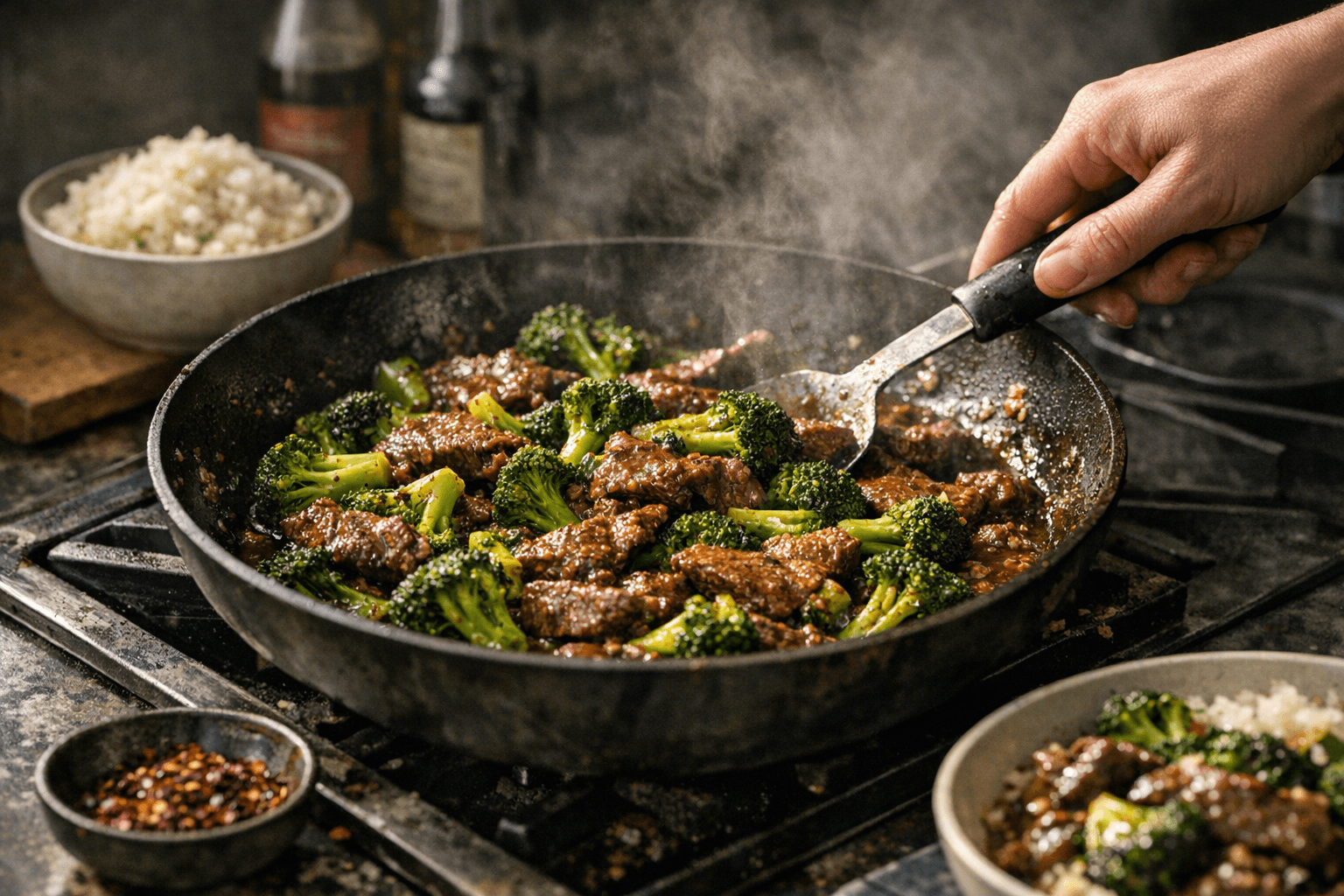
This recipe is pitched as a rescue meal, not a weekend project. The selling point is speed as much as flavor: it is the kind of dinner you can pull off when you are tired, hungry, and not interested in a big cleanup. Comparable low-carb beef-and-broccoli recipes aimed at keto readers often come in around 10 to 25 minutes and land at roughly 4 to 6 grams of net carbs per serving, which puts this style of dish squarely in the weeknight-fast lane.
That speed is what makes the dish feel bigger than the sum of its parts. You get seared beef, a glossy sauce, and broccoli that still has texture, and the whole thing can be on the table before the usual dinner panic sets in. For keto eaters, that is the real win. It is not enough for a recipe to be low carb on paper. It has to survive an ordinary evening, when energy is low and takeout sounds too easy to ignore.
Meal-prep friendly, family-friendly, and confidence-building
This is also the kind of recipe that keeps paying off after the first night. It works as a family dinner, but it is just as useful portioned into lunch containers for a few days of grab-and-go meals. The beef holds up, the broccoli stays appealing enough after reheating, and the sauce keeps everything from drying out. That makes it practical in the way keto food needs to be practical if you are going to stick with it.
There is another reason this recipe matters: it gives home cooks a confidence boost. A dish like this makes you feel like you can make something that tastes restaurant-worthy even when you are short on time and energy. That is a bigger deal than it sounds. One of the hardest parts of keto is finding dinners that are quick enough for a real schedule but still satisfying enough to keep you from feeling deprived. This one checks both boxes.
A modern low-carb take on an American Chinese classic
Beef and broccoli also carries a bit of restaurant history with it. It is widely described as a Chinese-American dish that established itself on American Chinese restaurant menus by the 1920s and became ubiquitous by the 1950s. That helps explain why the keto version feels so nostalgic. You are not chasing some ancient regional recipe here. You are reworking a familiar American takeout standard into something that fits a low-carb kitchen.
That context matters because it shows why the dish resonates so strongly. It already has a place in the way people eat in the United States, so the keto adaptation is not a stretch. It is a clean, practical update to a comfort-food classic. The final result keeps the satisfying part, the beef, the broccoli, the savory sauce, the sesame finish, and leaves behind the hidden sugar and starch that make restaurant versions a poor fit for keto.
In the end, this is exactly the sort of dinner keto needs more of. It is fast, cheap enough to make on repeat, genuinely satisfying, and close enough to takeout to silence the craving without breaking the routine.
Every story on Keto Diet Magazine is assembled by an automated editorial system that works from verified research, official records, and credible reporting, then clears automated accuracy and moderation checks before it goes live. The standards that system follows are set and overseen by the people who run the publication. Read our full editorial policy.
Did this article answer your question?