Exogenous ketones did move the needle on cognition, but only a little. In Frontiers in Nutrition, Bruno Bonnechère, Elizabeth B. Stephens, Amy C. Boileau, Martin Ducker and Brianna J. Stubbs pulled together randomized trial data to test a very keto-adjacent shortcut question: can ketones help the brain without full ketogenic dieting?
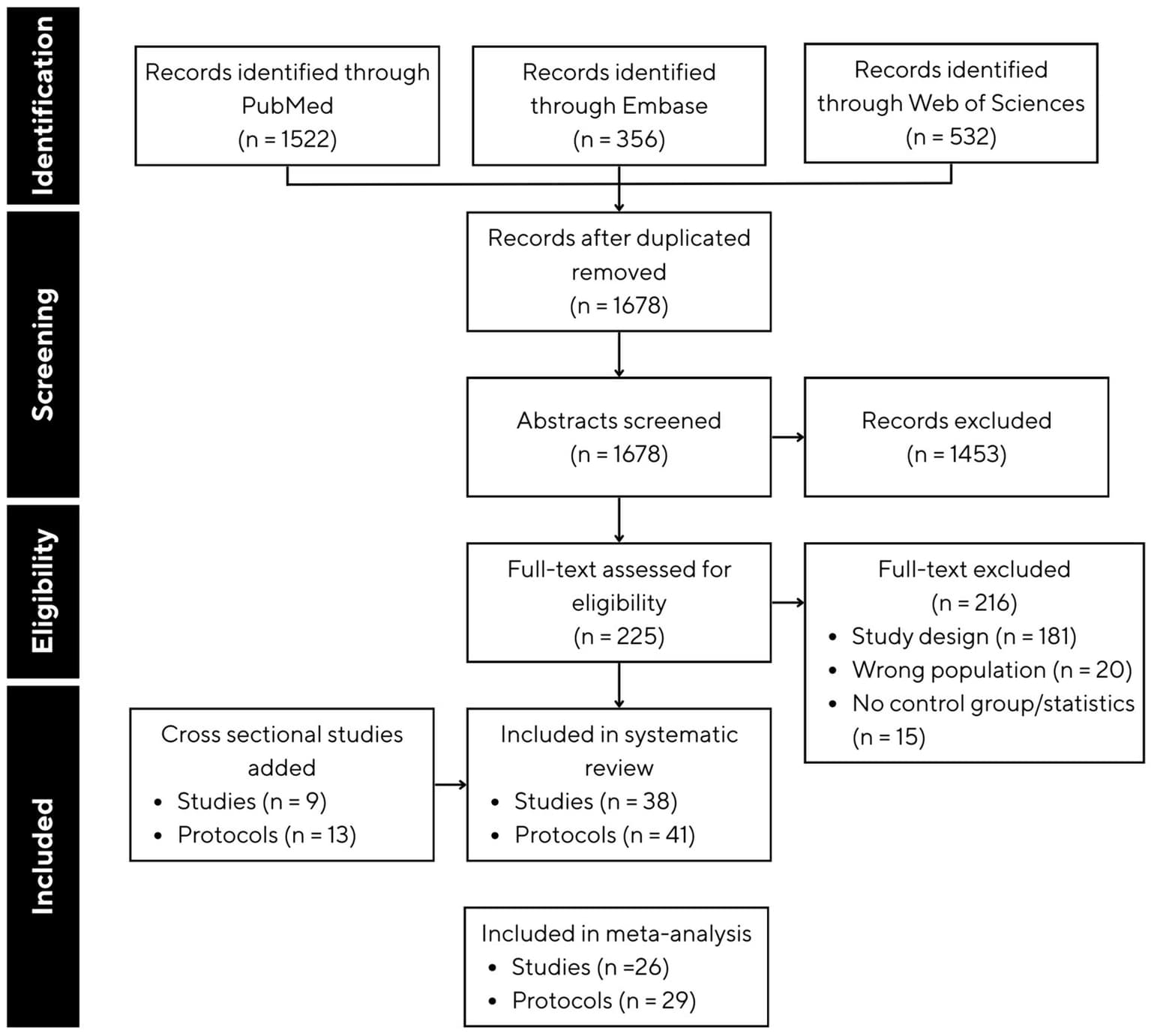
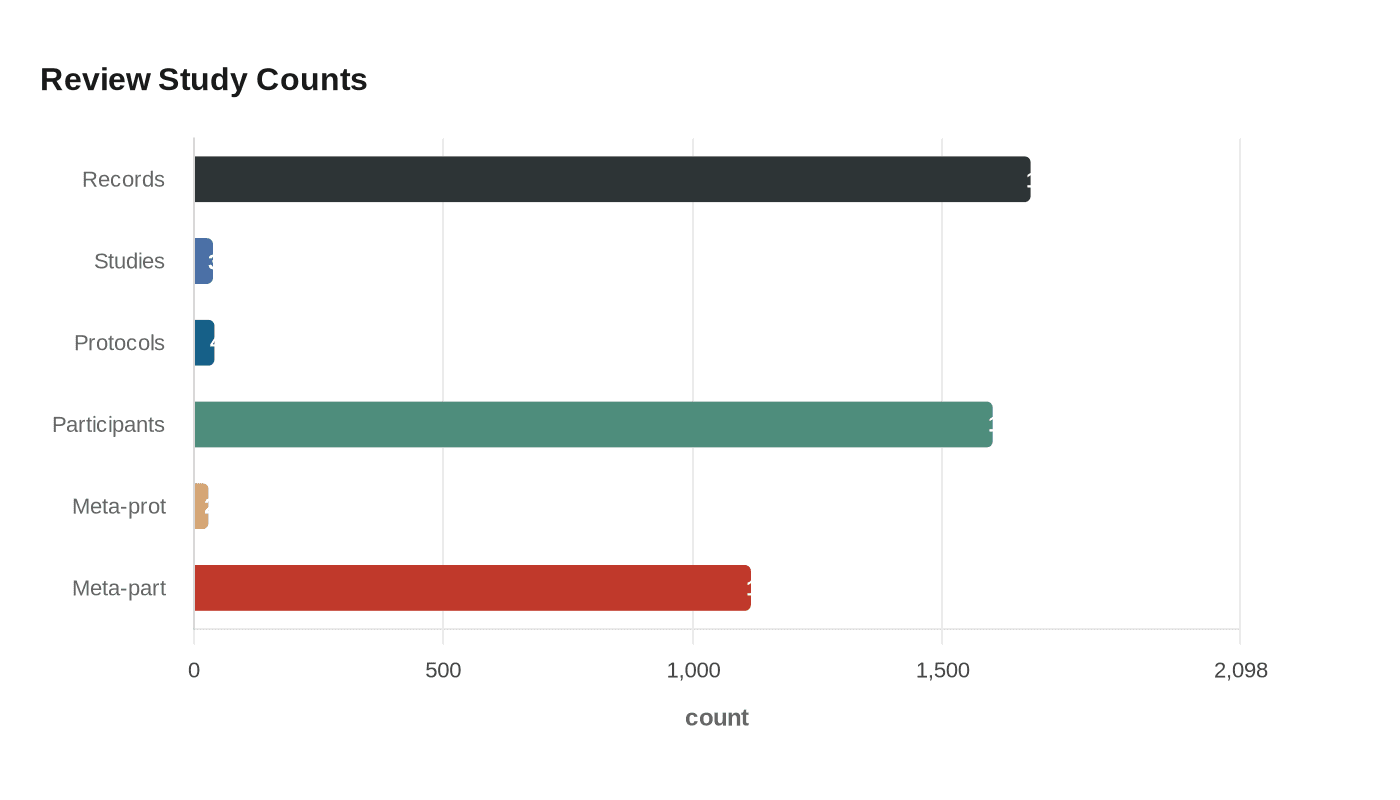
The team searched PubMed, Web of Science and Embase through October 2025 and screened 1,678 records before settling on 38 studies covering 41 protocols and 1,602 participants for the systematic review. Of those, 29 protocols with 1,117 participants were eligible for the meta-analysis. The paper was received on February 2, 2026, revised on March 19, accepted on March 25 and published on April 15, 2026. The authors were affiliated with the University of Hasselt in Hasselt, Belgium, the Buck Institute for Research on Aging in Novato, California, and Component Health Ltd. in Dublin, Ireland.

The headline result was statistically significant but modest: exogenous ketone supplementation was associated with better cognitive performance than placebo, with a standardized mean difference of 0.29, a 95% confidence interval of 0.16 to 0.41, and a p value below 0.001. In keto terms, that is encouraging, but it is not a dramatic brain boost. The review’s own framing makes the point clear: ketones may offer a flexible nutritional strategy for cognitive support, yet the evidence still points to cautious optimism rather than the kind of sweeping claim that often follows supplement marketing.
The subgroup analysis did not find meaningful differences by supplement type, intervention duration, population type or whether participants were under acute cognitive stress. That means the signal was not limited to one exotic ketone product or one narrow testing scenario. Meta-regression did find a positive association between daily dose and cognitive improvement, hinting that higher intakes may matter more, but that does not prove a simple dose-response rule for everyday use.
The broader context also matters. The paper notes that prior reviews had already raised possible cognitive benefits in Alzheimer’s disease and mild cognitive impairment, while stressing uncertainty and heterogeneity. Other trial work has pushed in the same direction, including a 2022 study in cognitively intact adults over 55 with metabolic syndrome that used 25 grams of oral ketone ester three times daily for four weeks, and a more recent oral ketone ester study reporting better working memory and executive function in adults regardless of metabolic health status. Taken together, the field looks real but still early, with the strongest takeaway being that exogenous ketones can influence cognition, just not yet in a large, clean, universally proven way.
Every story on Keto Diet Magazine is assembled by an automated editorial system that works from verified research, official records, and credible reporting, then clears automated accuracy and moderation checks before it goes live. The standards that system follows are set and overseen by the people who run the publication. Read our full editorial policy.
Did this article answer your question?